
Stress is part of life. A demanding job, family responsibilities, financial pressures, poor sleep—most of us deal with some combination of these on a regular basis.
What many people don’t realize is that prolonged stress can affect the body’s hormone balance, particularly a hormone called cortisol.
Cortisol often gets labeled the “stress hormone,” but its role goes far beyond stress. It helps regulate metabolism, blood sugar, inflammation, energy production, and the body’s natural sleep-wake cycle.
When cortisol remains elevated for long periods, the effects can show up in surprising ways. You might struggle with stubborn belly fat, feel exhausted despite sleeping, experience frequent anxiety, or find yourself craving sugary foods throughout the day.
The challenge is that these symptoms are easy to dismiss as normal consequences of a busy life.
Understanding the warning signs can help you recognize when chronic stress may be taking a toll on your health—and what you can do about it.
Table of Contents
- What Is Cortisol and Why Does It Matter?
- 7 Signs Your Cortisol Levels May Be Too High
- What Does a Cortisol Belly Feel Like?
- High Cortisol vs. Low Thyroid: How Symptoms Differ
- How to Lower Cortisol Levels Naturally
- Supplements That May Support Stress Management
- Common Mistakes That Keep Cortisol High
- Frequently Asked Questions
- Key Takeaways
What Is Cortisol and Why Does It Matter?
Cortisol is produced by the adrenal glands and follows a natural daily rhythm.
Under normal circumstances, cortisol rises in the morning to help you wake up and feel alert. As the day progresses, levels gradually decline, preparing your body for rest and recovery at night.
Problems tend to arise when stress becomes constant.
Unlike our ancestors, who faced short bursts of physical danger, modern stressors often linger for months or years. Tight deadlines, poor sleep, relationship conflicts, and financial concerns can keep the body’s stress response activated far longer than it was designed to be.
Over time, that prolonged activation may affect energy levels, appetite regulation, mood, sleep quality, and body composition.



1. You’re Gaining Weight Around Your Midsection
One of the most commonly reported signs of chronic stress is increased abdominal weight gain.
Many people notice that even when their eating habits haven’t changed dramatically, fat seems to accumulate around the waistline.
This can be frustrating, particularly for individuals who exercise regularly and generally make healthy food choices.
A Common Scenario
A woman in her 40s maintains the same workout routine she’s followed for years. Her diet hasn’t changed significantly, yet she notices her waist measurement gradually increasing during an especially stressful period at work.
While multiple factors can contribute to abdominal weight gain—including age, hormones, sleep quality, and overall calorie intake—chronic stress may be one piece of the puzzle.
What Does a Cortisol Belly Feel Like?
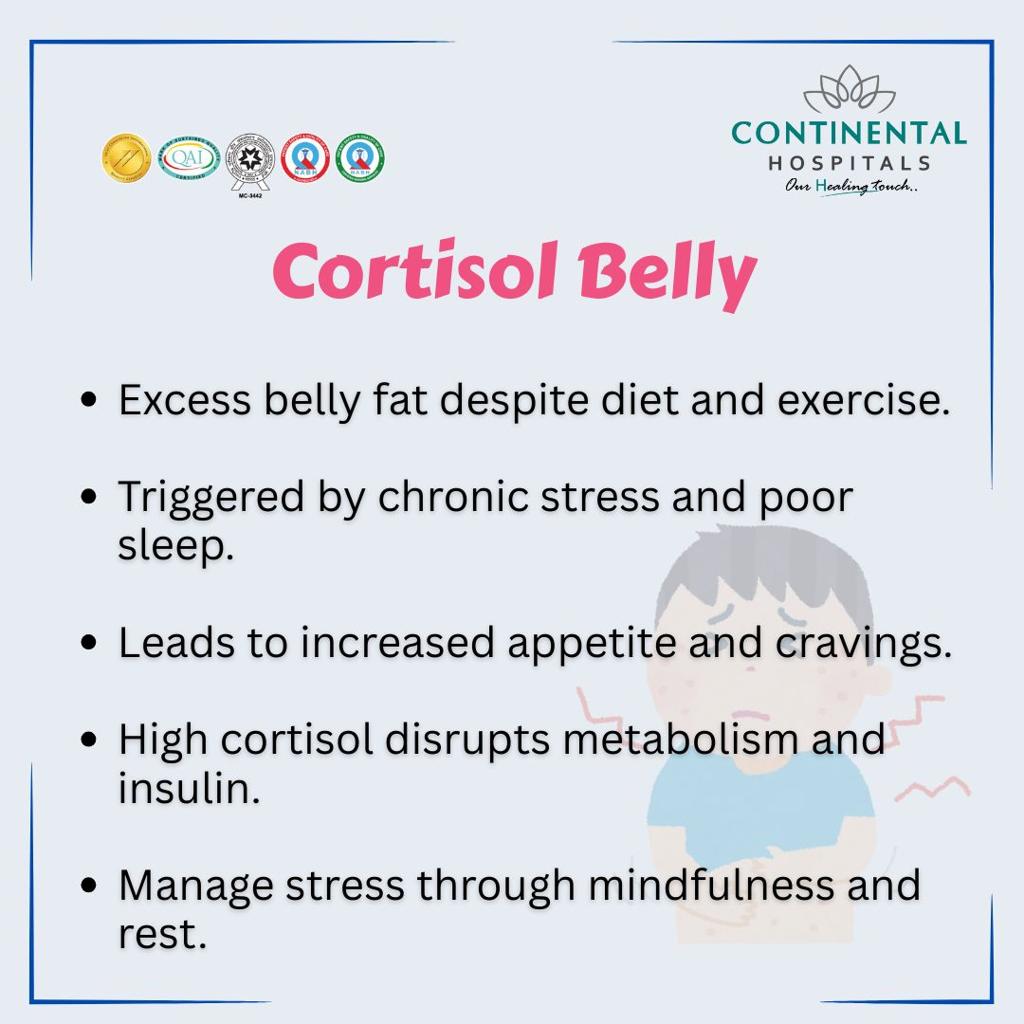
The phrase “cortisol belly” isn’t an official medical diagnosis, but it’s become a popular way to describe stress-related abdominal weight gain.
People commonly describe it as:
- Extra fat concentrated around the midsection
- A softer or puffier appearance around the stomach
- Increased bloating
- A waistline that seems resistant to diet and exercise
- Feeling leaner in the arms and legs than around the abdomen
It’s worth remembering that belly fat has many possible causes. Stress and cortisol are only one part of a much bigger picture.
2. You Wake Up Tired Even After a Full Night’s Sleep
Many people assume fatigue is simply a result of not getting enough sleep.
Yet some individuals sleep seven or eight hours and still wake up feeling exhausted.
One of the more overlooked signs of high cortisol in women morning hours is feeling unrefreshed despite adequate sleep.
You may find yourself:
- Reaching for coffee immediately after waking
- Struggling to get moving in the morning
- Experiencing afternoon crashes
- Feeling mentally drained before the day is half over
When cortisol rhythms become disrupted, the body can lose the natural energy boost that’s supposed to occur after waking.
3. Falling Asleep Feels Like a Battle
Have you ever climbed into bed feeling physically tired but mentally wide awake?
Many people experiencing chronic stress describe exactly that.
Instead of winding down naturally, their minds remain active:
- Replaying conversations
- Planning tomorrow’s schedule
- Worrying about unfinished tasks
- Thinking through worst-case scenarios
When cortisol remains elevated later in the evening, it can interfere with the body’s transition into restful sleep.
The result is often a cycle of poor sleep leading to more stress—and more stress leading to poorer sleep.
4. You’re More Anxious, Irritable, or Easily Overwhelmed
Stress affects more than the body.
It also affects how we think, react, and process emotions.
People experiencing prolonged stress frequently report:
- Feeling “on edge”
- Increased anxiety
- Reduced patience
- Greater emotional reactivity
- Difficulty coping with minor frustrations
One pattern many healthcare professionals observe is that people often focus exclusively on treating anxiety symptoms while overlooking factors such as sleep deprivation, excessive caffeine intake, chronic work stress, and lack of recovery time.
Addressing those root contributors can sometimes make a meaningful difference.
5. Sugar Cravings Have Become Hard to Ignore
Stress eating isn’t simply a lack of willpower.
There are biological mechanisms involved.
When stress levels rise, many people notice stronger cravings for:
- Sweets
- Processed snacks
- Fast food
- Refined carbohydrates
This often creates a frustrating cycle:
Stress → Cravings → Overeating → Weight Gain → More Stress
Understanding this connection can help remove some of the guilt people often feel around emotional eating.
Instead of asking, “Why can’t I control myself?” it may be more helpful to ask, “What is my body trying to tell me?”
6. Brain Fog Is Affecting Your Productivity
Many people expect stress to make them feel anxious.
Fewer expect it to affect their ability to think clearly.
Yet brain fog is one of the most common complaints associated with prolonged stress.
You might notice:
- Forgetting simple tasks
- Difficulty concentrating
- Trouble recalling information
- Reduced productivity
- Losing your train of thought mid-conversation
Several clients I’ve encountered in wellness-focused settings have described it similarly:
“It’s like my brain is running, but it’s running through mud.”
While brain fog can have many causes, chronic stress is certainly one possibility worth considering.
7. Hormonal Changes and Irregular Menstrual Cycles
Women’s hormonal systems are particularly sensitive to prolonged stress.
When the body perceives a continuous threat, it tends to prioritize immediate survival functions over reproductive functions.
As a result, some women may experience:
- Irregular menstrual cycles
- More severe PMS symptoms
- Mood fluctuations
- Changes in libido
These symptoms can overlap with many other health conditions, which is why persistent changes should always be discussed with a qualified healthcare professional.
High Cortisol vs. Low Thyroid: How Do Symptoms Compare?
One reason cortisol-related symptoms are often missed is that they overlap with other common health concerns.
A low-functioning thyroid, for example, can produce many similar complaints.
| Symptom | High Cortisol | Low Thyroid |
|---|---|---|
| Fatigue | Common | Common |
| Weight Gain | Common | Common |
| Anxiety | More Common | Less Common |
| Depression | Possible | Common |
| Sleep Problems | Common | Possible |
| Brain Fog | Common | Common |
| Cold Intolerance | Uncommon | Very Common |
| Dry Skin | Less Common | Common |
Because symptoms overlap, self-diagnosis can be misleading. If symptoms are persistent or worsening, medical evaluation is the best course of action.
How to Lower Cortisol Levels Naturally
There’s no magic supplement or quick fix.
The most effective strategies are usually the least glamorous—and the most consistent.
Prioritize Sleep
Sleep is one of the strongest regulators of stress hormones.
Aim for:
- Consistent bedtimes
- A cool, dark sleeping environment
- Limited screen exposure before bed
- Seven to nine hours of sleep when possible
Move Your Body Without Overdoing It
Exercise can help regulate stress.
However, more is not always better.
For individuals already feeling burned out, gentler forms of movement may be more beneficial than adding additional high-intensity workouts.
Consider:
- Walking
- Cycling
- Yoga
- Swimming
- Strength training with adequate recovery
Manage Caffeine Strategically
Coffee isn’t the enemy.
But relying on caffeine to compensate for chronic exhaustion can sometimes worsen the cycle.
If you’re consuming multiple cups daily, experiment with reducing intake gradually and avoid caffeine late in the day.
Build Small Daily Recovery Habits
Stress management doesn’t require an hour-long meditation session.
Even a few minutes can help.
Examples include:
- Deep breathing exercises
- Mindfulness practice
- Prayer
- Journaling
- Time outdoors
- Uninterrupted walks
The key is consistency rather than perfection.
Support Blood Sugar Stability
Large swings in blood sugar can add stress to the body.
Try building meals around:
- Protein
- Fiber-rich vegetables
- Whole-food carbohydrates
- Healthy fats
Balanced meals often improve energy, appetite control, and overall resilience to stress.
Supplements That May Support Stress Management
Some supplements have shown promise in stress-management research.
These include:
Ashwagandha
A widely studied herb that may support resilience during periods of stress.
Magnesium
Magnesium plays a role in hundreds of biochemical processes and may support relaxation and sleep quality.
L-Theanine
Found naturally in tea, L-theanine is often used to promote a calm but alert state.
Omega-3 Fatty Acids
These essential fats may support both brain health and emotional well-being.
Always consult a healthcare professional before starting supplements, particularly if you take medications, are pregnant, or have existing medical conditions.
Common Mistakes That Can Keep Cortisol Elevated
Many people unknowingly work against their own recovery.
Treating Every Workout Like a Competition
Exercise should build resilience, not constantly drain it.
Constantly Dieting
Severe calorie restriction may increase physiological stress.
Ignoring Sleep While Focusing on Supplements
No supplement can consistently compensate for chronic sleep deprivation.
Expecting Immediate Results
Stress-related changes usually develop over months. Improvement often takes time as well.
Frequently Asked Questions
Can high cortisol cause belly fat?
Chronic stress has been associated with increased abdominal fat storage in some individuals. However, weight gain is influenced by many factors, including diet, physical activity, genetics, age, and overall health.
What are common signs of high cortisol in women in the morning?
Common complaints include waking up tired, feeling unrefreshed after sleep, needing caffeine immediately, morning anxiety, and low energy despite adequate rest.
Can stress alone raise cortisol levels?
Yes. Emotional stress, poor sleep, illness, overtraining, and major life changes can all influence cortisol production.
How long does it take to improve cortisol balance naturally?
Every person is different. Some people notice improvements within a few weeks of improving sleep and stress-management habits, while others may require several months of consistent lifestyle changes.
Should I take a cortisol-lowering supplement?
Supplements may help some individuals, but they should not replace foundational habits such as sleep, nutrition, physical activity, and stress management.
Key Takeaways
High cortisol doesn’t always look dramatic.
More often, it appears as a collection of symptoms that gradually become part of daily life: stubborn belly fat, poor sleep, constant fatigue, cravings, anxiety, and difficulty concentrating.
If several of these signs sound familiar, it may be worth examining the basics before searching for complicated solutions.
Focus on:
- Better sleep
- Consistent movement
- Balanced nutrition
- Stress-management habits
- Adequate recovery time
Small improvements repeated consistently tend to outperform extreme approaches every time.
And if symptoms persist, worsen, or significantly affect your quality of life, seek guidance from a qualified healthcare professional who can evaluate the bigger picture and rule out other underlying causes.