

How Often Should You Change Engine Oil? A Complete Guide for Every Driver. Your engine works harder than almost any other part of your vehicle. Every time you start the car, hundreds of metal components move at high speed and generate heat. Engine oil is what keeps those parts lubricated, cool, and protected.
Yet oil changes are one of the most misunderstood areas of vehicle maintenance.
Some drivers still swear by changing oil every 3,000 miles. Others wait until a warning light appears on the dashboard. Neither approach is always right.
The truth is that modern engines and today’s synthetic oils have changed maintenance schedules significantly. What worked for a car built 20 years ago may not apply to a vehicle manufactured today.
If you’re wondering how often to change engine oil, this guide will help you understand what actually matters, when an oil change is necessary, and how to avoid costly engine problems down the road.
Table of Contents
- Why Engine Oil Is So Important
- How Often Should You Change Engine Oil?
- Oil Change Intervals by Oil Type
- Can You Really Go 10,000 Miles Between Oil Changes?
- What Counts as Severe Driving Conditions?
- What If You Rarely Drive Your Car?
- Warning Signs Your Car Needs an Oil Change
- Common Oil Change Mistakes
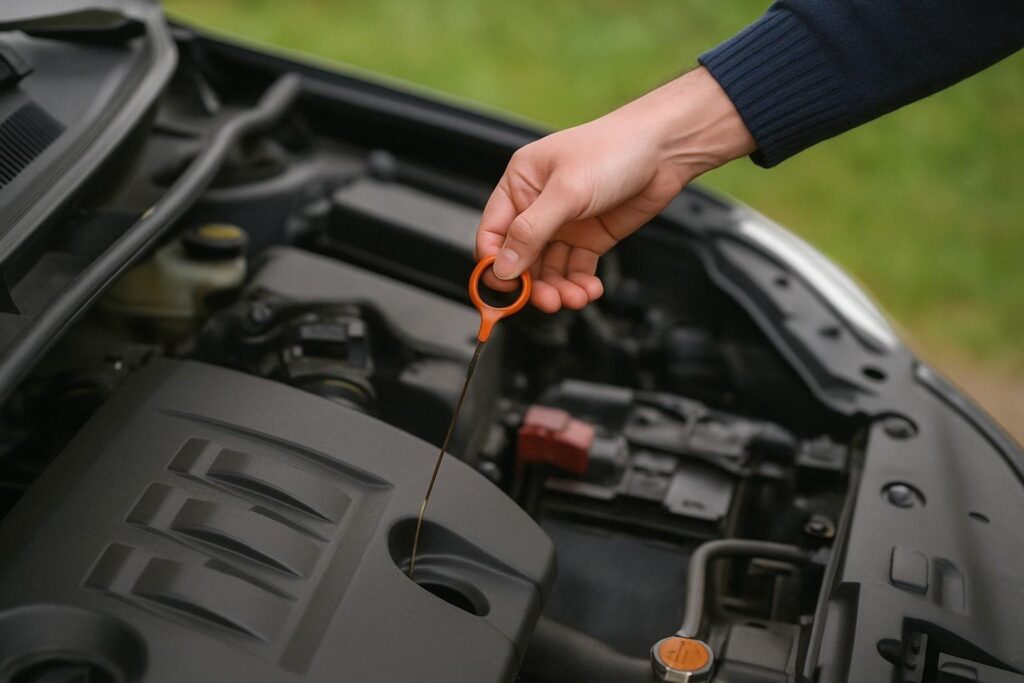
- How to Check Your Oil at Home
- Frequently Asked Questions
- Final Takeaway
Why Engine Oil Is So Important
Most people know that engine oil lubricates moving parts, but its job goes far beyond that.
Engine oil helps:
- Reduce friction between components
- Carry heat away from critical parts
- Prevent corrosion
- Trap dirt and contaminants
- Improve engine efficiency
- Reduce wear during cold starts
A simple way to think about it is this: engine oil is both a lubricant and a cleaning system.
When oil becomes old or contaminated, it can no longer perform these functions effectively. Over time, sludge begins to form, friction increases, and internal engine components experience greater wear.
That’s why regular oil changes remain one of the cheapest ways to extend the life of a vehicle.
How Often Should You Change Engine Oil?
There isn’t a single mileage number that applies to every vehicle.
The correct interval depends on:
- Your vehicle manufacturer
- The type of oil being used
- Driving habits
- Climate conditions
- Engine age and condition
For most modern vehicles, oil changes typically fall within the following ranges:
| Oil Type | Typical Change Interval |
|---|---|
| Conventional Oil | 3,000–5,000 miles |
| Synthetic Blend | 5,000–7,500 miles |
| Full Synthetic | 7,500–15,000 miles |
The most reliable source of information is always your owner’s manual. Vehicle manufacturers test engines extensively and provide maintenance schedules based on real-world data.
As a general rule, most drivers using modern synthetic oil will need service somewhere between 5,000 and 10,000 miles.
Oil Change Intervals by Oil Type
Not all engine oils are created equal.
Understanding what you’re putting into your engine can help you make smarter maintenance decisions.
Conventional Oil
Conventional oil is refined directly from crude oil and contains fewer performance-enhancing additives than synthetic products.
It’s commonly used in:
- Older vehicles
- Light-duty applications
- Some budget maintenance plans
Because it breaks down more quickly under heat and stress, it generally requires more frequent replacement.
Recommended interval: Every 3,000 to 5,000 miles.
Synthetic Blend Oil
Synthetic blend oil combines conventional and synthetic base oils.
It offers improved protection without the higher cost of full synthetic oil.
Many drivers find it provides a good balance between performance and affordability.
Recommended interval: Every 5,000 to 7,500 miles.
Full Synthetic Oil
Most modern engines are designed with synthetic oil in mind.
Full synthetic oil performs better in extreme temperatures, resists breakdown longer, and provides superior protection against wear.
For drivers who spend a lot of time commuting, taking road trips, or driving in challenging weather conditions, synthetic oil is usually worth the extra cost.
Recommended interval: Approximately 7,500 to 15,000 miles, depending on manufacturer recommendations.
Can You Really Go 10,000 Miles Between Oil Changes?
One of the most common questions drivers ask is:
Can I go 10,000 miles without an oil change?
The answer is: sometimes.
Many modern vehicles are specifically engineered for extended oil change intervals when using high-quality synthetic oil.
For example, a driver who spends most of their time on highways may comfortably reach 10,000 miles between services because highway driving places relatively little stress on engine oil.
However, mileage alone doesn’t tell the full story.
A vehicle driven primarily in city traffic may accumulate far more engine wear despite covering fewer miles.
This is why many newer vehicles use oil-life monitoring systems that calculate service intervals based on actual driving conditions rather than mileage alone.
What Counts as Severe Driving Conditions?
Many drivers assume “severe driving” means towing a trailer through the mountains.
In reality, most daily commuters fall into this category without realizing it.
Driving conditions considered severe include:
- Frequent stop-and-go traffic
- Repeated short trips
- Extreme heat
- Freezing temperatures
- Towing or hauling
- Dusty roads
- Mountain driving
- Long periods of idling
A Real-World Example
Imagine two drivers who each cover 6,000 miles over six months.
Driver A travels mostly on open highways at steady speeds.
Driver B drives five miles to work in heavy city traffic every day.
Even though both drivers cover the same distance, Driver B’s oil often ages faster because the engine experiences more cold starts, idling, and temperature fluctuations.
Under severe conditions, many manufacturers recommend shortening oil change intervals.
What If You Rarely Drive Your Car?
Low mileage doesn’t always mean low maintenance.
This surprises many vehicle owners.
Even when a car sits in the garage, engine oil continues to age. Moisture can build up inside the engine, fuel contaminants can accumulate, and additives in the oil gradually lose effectiveness.
A common scenario is a retiree who drives only a few thousand miles per year.
Although the mileage is low, most mechanics would still recommend changing the oil at least once annually.
If you rarely drive, follow both the mileage recommendation and the time recommendation listed in your owner’s manual—whichever comes first.
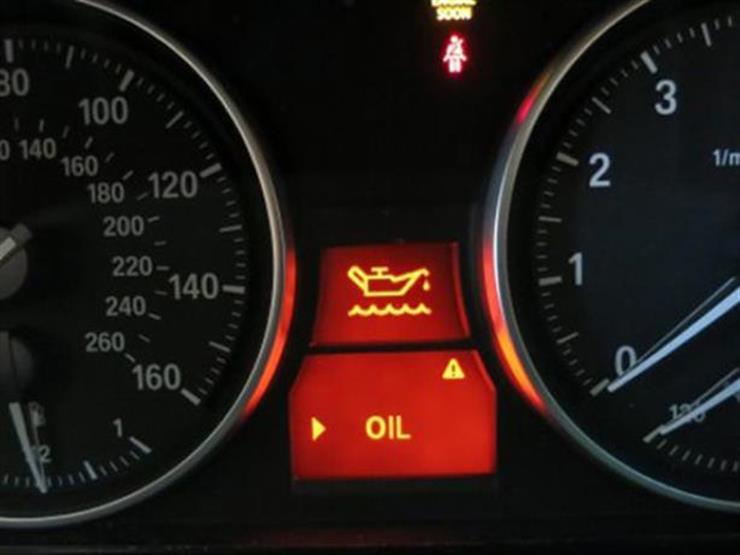
Signs Your Car Needs an Oil Change Immediately
Waiting for a maintenance reminder isn’t always the best approach.
Sometimes your vehicle provides warning signs that shouldn’t be ignored.
1. Dashboard Warning Light
An oil maintenance light or check engine light may indicate that service is overdue.
While not every warning means immediate danger, it’s worth investigating promptly.
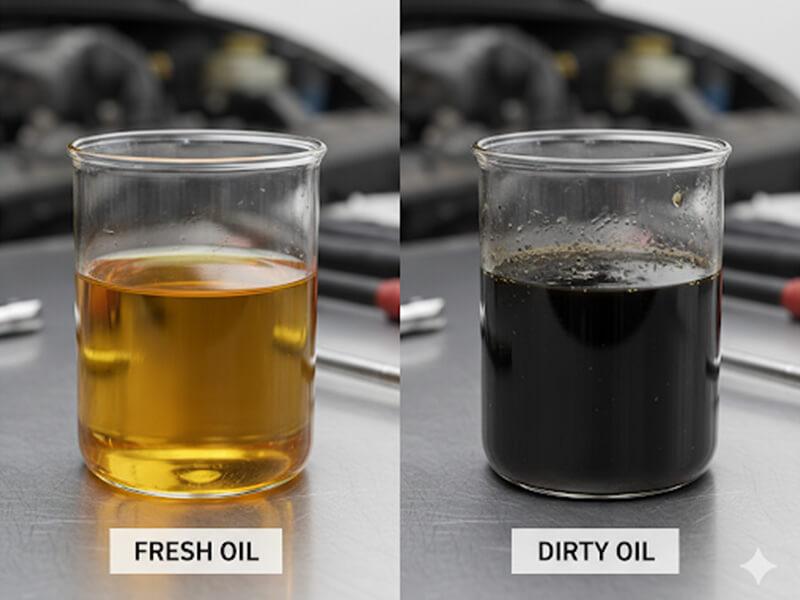
2. Dark, Dirty Oil
Fresh oil is usually amber and relatively transparent.
Over time, contaminants darken the oil and reduce its effectiveness.
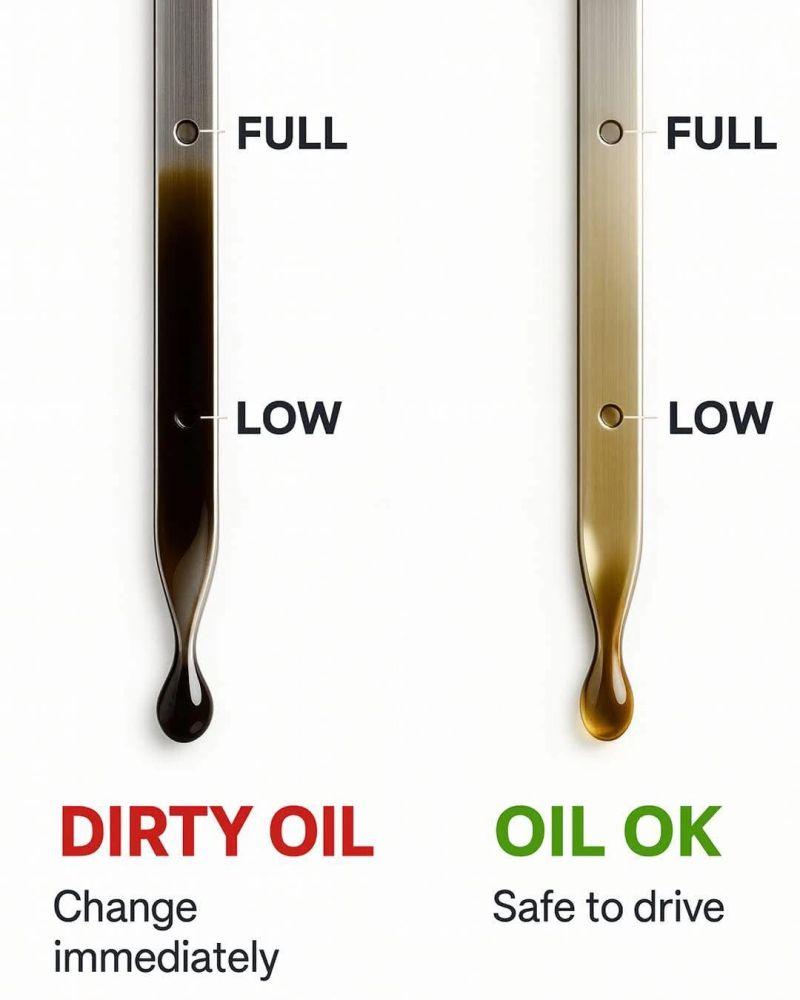
Checking the dipstick periodically can reveal whether the oil still appears healthy.
3. Increased Engine Noise
When lubrication decreases, metal components experience greater friction.
Drivers often notice:
- Ticking sounds
- Knocking noises
- Rough engine operation
These symptoms should never be ignored.
4. Burning Oil Smell
A strong oil odor may indicate deteriorated oil, overheating, or a leak.
If the smell is noticeable inside the cabin, have the vehicle inspected as soon as possible.
5. Reduced Fuel Economy
Fresh oil helps reduce internal resistance.
When oil becomes excessively dirty, engines often work harder and consume more fuel.
6. Excessive Exhaust Smoke
Visible blue or gray exhaust smoke can indicate oil-related issues that require professional diagnosis.
Common Oil Change Mistakes Drivers Make
Even responsible car owners occasionally make maintenance mistakes.
Waiting Too Long
Modern oils last longer than they used to, but they don’t last forever.
Pushing service intervals beyond manufacturer recommendations increases engine wear.
Ignoring Time-Based Intervals
A vehicle driven only a few thousand miles each year still needs periodic oil changes.
Using the Wrong Oil Grade
Always use the viscosity recommended by the manufacturer.
The wrong oil can affect engine protection and fuel efficiency.
Skipping the Oil Filter
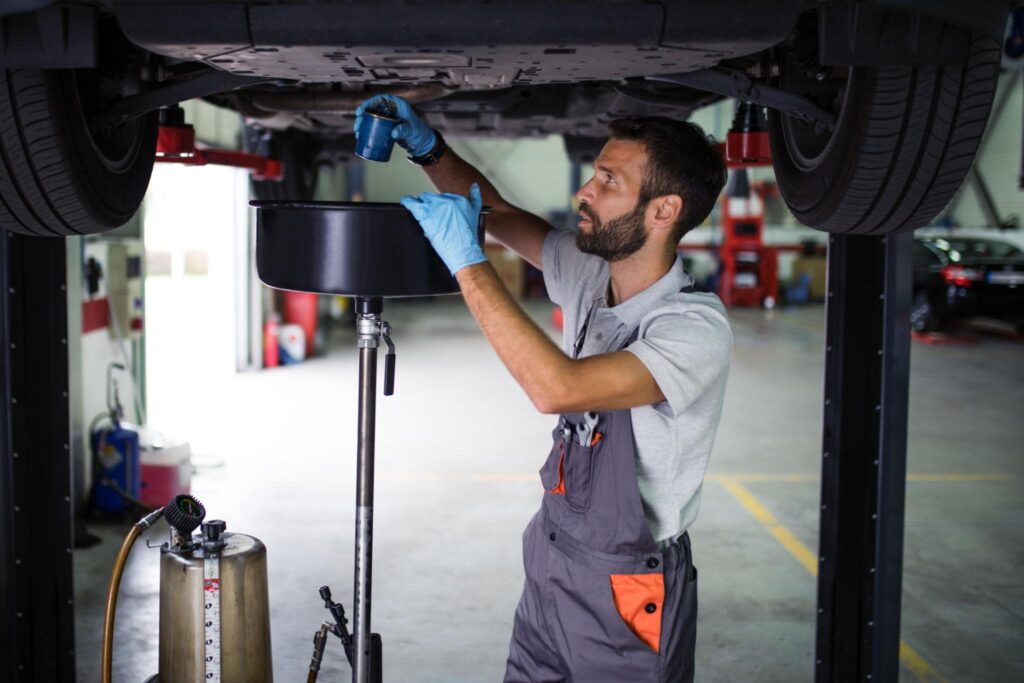
A new oil filter helps remove contaminants and ensures clean oil continues circulating through the engine.
Replacing oil without changing the filter reduces the effectiveness of the service.
How to Check Your Oil at Home
Checking engine oil takes only a few minutes and can help you catch problems early.
Step 1: Park on a Level Surface
This ensures an accurate reading.
Step 2: Turn Off the Engine
Wait five to ten minutes for the oil to settle.
Step 3: Remove the Dipstick
Pull it out completely.
Step 4: Wipe It Clean
Use a lint-free cloth or paper towel.
Step 5: Reinsert and Remove Again
Check where the oil level falls between the minimum and maximum markings.
Step 6: Examine the Oil
Healthy oil should appear relatively smooth and free of debris.
If the oil is extremely dirty, gritty, or below the recommended level, further inspection may be needed.
Frequently Asked Questions
Is changing oil every 3,000 miles still necessary?
For most modern vehicles, no. Advances in engine design and oil technology have extended recommended service intervals significantly.
Does synthetic oil really last longer?
Yes. Synthetic oil generally resists breakdown better, performs well in extreme temperatures, and provides longer service intervals.
Should I follow the oil-life monitor or mileage?
In most cases, follow the manufacturer’s guidance. Modern oil-life monitoring systems are designed to account for actual driving conditions.
Can old oil damage an engine?
Yes. As oil degrades, it loses its ability to lubricate and protect engine components, increasing wear over time.
What happens if I delay an oil change?
Delaying service can contribute to sludge buildup, reduced fuel efficiency, overheating, and premature engine wear.
Final Takeaway
Regular oil changes remain one of the simplest and most cost-effective ways to protect your engine.
For most modern vehicles, the right schedule depends on the type of oil used, how the vehicle is driven, and the manufacturer’s recommendations. While some cars can safely travel close to 10,000 miles between oil changes, others may require more frequent service due to traffic, short trips, or harsh driving conditions.
When in doubt, check your owner’s manual, monitor your oil level regularly, and pay attention to warning signs from your vehicle.
A small investment in routine maintenance today can help prevent major repair bills tomorrow—and keep your car running smoothly for many years.
Changing oil regularly is so important, but it can be confusing to keep track. How do you remember when yours is due?