
Is Your Medicine Safe? Why the Government Banned 16 Popular Combination Drugs in India. When news broke that the Indian government had banned 16 commonly used medicines, many people reacted with confusion.
Some wondered whether the medicines they had taken in the past were unsafe. Others worried that doctors had been prescribing harmful drugs for years.
The reality is more nuanced.
The recent decision targets a category of medicines known as Fixed Dose Combinations (FDCs)—products that combine two or more active ingredients into a single tablet, capsule, or syrup.
These medicines are often convenient and effective. In fact, many widely used treatments for diabetes, blood pressure, and infections are fixed-dose combinations. The problem arises when a combination lacks strong scientific evidence, offers little additional benefit, or may increase risks unnecessarily.
That is what regulators concluded after reviewing several products included in the latest banned FDC drugs list India.
If you’re wondering whether your medicine cabinet is affected—or simply want to understand what this decision means—this guide breaks it down in plain language.
Table of Contents
- What Are Fixed Dose Combination (FDC) Drugs?
- Why Did the Government Ban These Medicines?
- Full List of the 16 Banned Drug Combinations
- The Amoxicillin + Serratiopeptidase Ban Explained
- What Should Patients Do If They’re Taking One of These Medicines?
- Common Misunderstandings About Drug Bans
- How Drug Safety Decisions Are Made
- Frequently Asked Questions
- Key Takeaways


What Are Fixed Dose Combination (FDC) Drugs?
A Fixed Dose Combination drug contains two or more medicines in a single formulation.
For example, instead of prescribing two separate tablets, manufacturers combine multiple active ingredients into one product.
Why Are Combination Medicines Used?
When properly designed, FDC medicines can offer several advantages:
- Fewer pills to remember
- Better treatment compliance
- Simplified prescriptions
- Lower treatment costs in some cases
For patients managing chronic conditions, this convenience can make a real difference.
A person taking medication for diabetes, for example, may prefer one tablet containing two proven medicines rather than carrying and remembering multiple prescriptions.
When Do Problems Occur?
Not every combination makes medical sense.
Some drug combinations enter the market without strong evidence showing that the ingredients work better together than separately.
In such cases, patients may be exposed to additional medicines—and therefore additional risks—without receiving meaningful benefits.
That is where regulatory review becomes important.
Why Did the Government Ban These Medicines?
The ban was not based on a single issue.
Instead, expert committees reviewed available scientific evidence and concluded that certain combinations did not meet modern standards for safety, effectiveness, or therapeutic justification.
Key Reasons Behind the Ban
1. Lack of Proven Additional Benefit
One of the most common questions regulators ask is:
Does combining these medicines improve patient outcomes?
In several cases, evidence suggesting a meaningful advantage was limited or unavailable.
2. Higher Risk of Side Effects
Every additional ingredient increases the possibility of:
- Allergic reactions
- Digestive problems
- Drug interactions
- Liver or kidney stress
Even if each ingredient is individually approved, the combination itself must also be shown to be safe.
3. Concerns About Antibiotic Resistance
Some banned combinations contained antibiotics.
Healthcare experts worldwide have warned that inappropriate antibiotic use contributes to antimicrobial resistance—a growing public health challenge that makes infections harder to treat.
4. Insufficient Scientific Evidence
Regulatory agencies increasingly rely on evidence-based medicine.
If manufacturers cannot demonstrate that a combination is both safe and clinically useful, approval may be reconsidered.
Full List of the 16 Banned Drug Combinations
The latest notification includes several fixed-dose combinations involving antibiotics, painkillers, anti-inflammatory medicines, and enzyme-based formulations.
Some of the widely discussed combinations include:
- Aceclofenac + Paracetamol + Chlorzoxazone
- Cefixime + Azithromycin
- Amoxicillin + Bromhexine
- Amoxicillin + Serratiopeptidase
- Certain Ofloxacin + Ornidazole formulations
- Various antimicrobial combinations lacking adequate justification
Because regulatory notifications may be updated, healthcare professionals and consumers should always refer to the most recent official government circular for the complete and current list.
Why Was Amoxicillin + Serratiopeptidase Banned?
Among all the medicines discussed after the announcement, this combination generated significant attention.
Understanding the Ingredients
Amoxicillin is a commonly prescribed antibiotic used to treat bacterial infections.
Serratiopeptidase is an enzyme often promoted for reducing inflammation and swelling.
Individually, both ingredients have recognized medical uses.
The question regulators examined was whether combining them in a single product provided a meaningful therapeutic advantage.
The Amoxicillin Serratiopeptidase Ban Reason
Based on expert review, concerns included:
- Limited evidence showing improved patient outcomes
- Questions about the clinical necessity of the combination
- Potential for unnecessary antibiotic exposure
- Lack of strong justification compared with prescribing medicines separately when needed
In simple terms, regulators were not convinced that the combination offered enough benefit to outweigh the concerns.
A Practical Example
Imagine two patients with similar throat infections.
Patient A receives standard Amoxicillin treatment.
Patient B receives Amoxicillin combined with Serratiopeptidase.
If scientific studies cannot show that Patient B consistently recovers faster or experiences better outcomes, the additional ingredient may not be justified.
This type of evidence-based evaluation plays a major role in modern drug regulation.
What Should Patients Do Now?
If you discover that a medicine you’ve used appears on the banned list, there is no need to panic.
A regulatory ban does not automatically mean the medicine caused harm.
Step 1: Check Your Current Medications
Review:
- Prescription labels
- Medicine strips
- Pharmacy records
Pay attention to the active ingredients, not just the brand name.
Step 2: Speak With Your Doctor or Pharmacist
Healthcare professionals can determine whether:
- The medicine is affected
- An alternative is needed
- Treatment should continue or change
Step 3: Avoid Self-Medicating
One common mistake is replacing a medicine with another drug based on online recommendations.
Even medicines that appear similar may not be appropriate for your condition.
Step 4: Follow Evidence-Based Guidance
Medical recommendations change as new research becomes available.
Trust information from:
- Qualified doctors
- Licensed pharmacists
- Official government notifications
- Reputable healthcare institutions
Common Misunderstandings About Drug Bans
“If It Was Banned, It Must Have Been Dangerous”
Not necessarily.
Many bans occur because evidence is insufficient—not because widespread harm has been documented.
“Everyone Who Took These Medicines Is At Risk”
There is no evidence suggesting that everyone who previously used these medicines will experience problems.
Millions of patients may have taken such medicines without complications.
“Doctors Were Prescribing Unsafe Drugs”
Healthcare professionals prescribe medicines based on available approvals and medical guidelines at the time.
Drug regulation evolves as new evidence emerges.
“I Should Stop Any Medicine That Appears in the News”
Stopping medication without professional advice can sometimes be more dangerous than continuing treatment.
Always consult a healthcare provider first.
How Drug Safety Decisions Are Made
Most people only hear about medicines when they are approved or banned.
What they rarely see is the extensive review process behind those decisions.
Before regulators restrict a medicine, experts typically examine:
- Clinical trial data
- Safety reports
- Patient outcomes
- International evidence
- Public health impact
The goal is not simply to remove medicines from the market.
The goal is to ensure that the benefits clearly outweigh the risks.
This ongoing review process is one reason modern healthcare continues to become safer over time.
How to Protect Yourself as a Patient
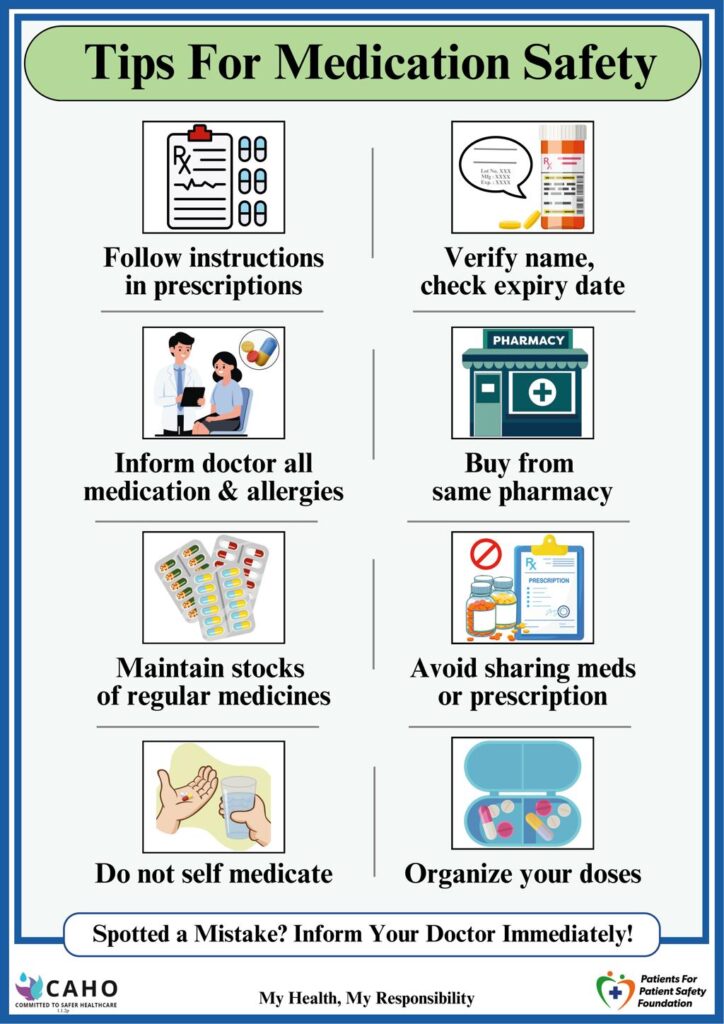
Regardless of the latest ban, a few habits can significantly improve medicine safety:
✔ Take medicines exactly as prescribed
✔ Avoid sharing medicines with others
✔ Complete antibiotic courses when instructed
✔ Ask questions about unfamiliar prescriptions
✔ Keep an updated list of medications you take
✔ Consult qualified healthcare professionals before making changes
These simple steps reduce medication-related risks far more effectively than reacting to headlines alone.
Frequently Asked Questions
Are all combination medicines unsafe?
No. Many fixed-dose combinations are supported by strong evidence and are widely used around the world.
Can pharmacies still sell banned medicines?
Once enforcement begins, affected products generally cannot be legally manufactured, distributed, or sold.
Should I be worried if I took one of these medicines years ago?
In most cases, no. A regulatory ban does not automatically indicate that past use caused harm.
Is Amoxicillin banned in India?
No. Amoxicillin remains an important and commonly prescribed antibiotic. The concern relates to specific combinations, not the antibiotic itself.
Why are antibiotic combinations reviewed so closely?
Because unnecessary antibiotic use can contribute to antimicrobial resistance, making future infections more difficult to treat.
Key Takeaways
The recent decision in which the Health Ministry bans 16 medicines reflects a broader shift toward evidence-based healthcare.
The focus is not on creating fear but on ensuring that medicines sold to the public have clear scientific support, demonstrated benefits, and an acceptable safety profile.
For most patients, the practical advice is straightforward:
- Review your medications.
- Consult your healthcare provider if you have concerns.
- Avoid self-medication.
- Rely on trusted medical sources rather than social media rumors.
Medicine safety is not just about whether a drug works. It is about ensuring that every ingredient in that medicine has a clear purpose and a proven benefit for patients.