
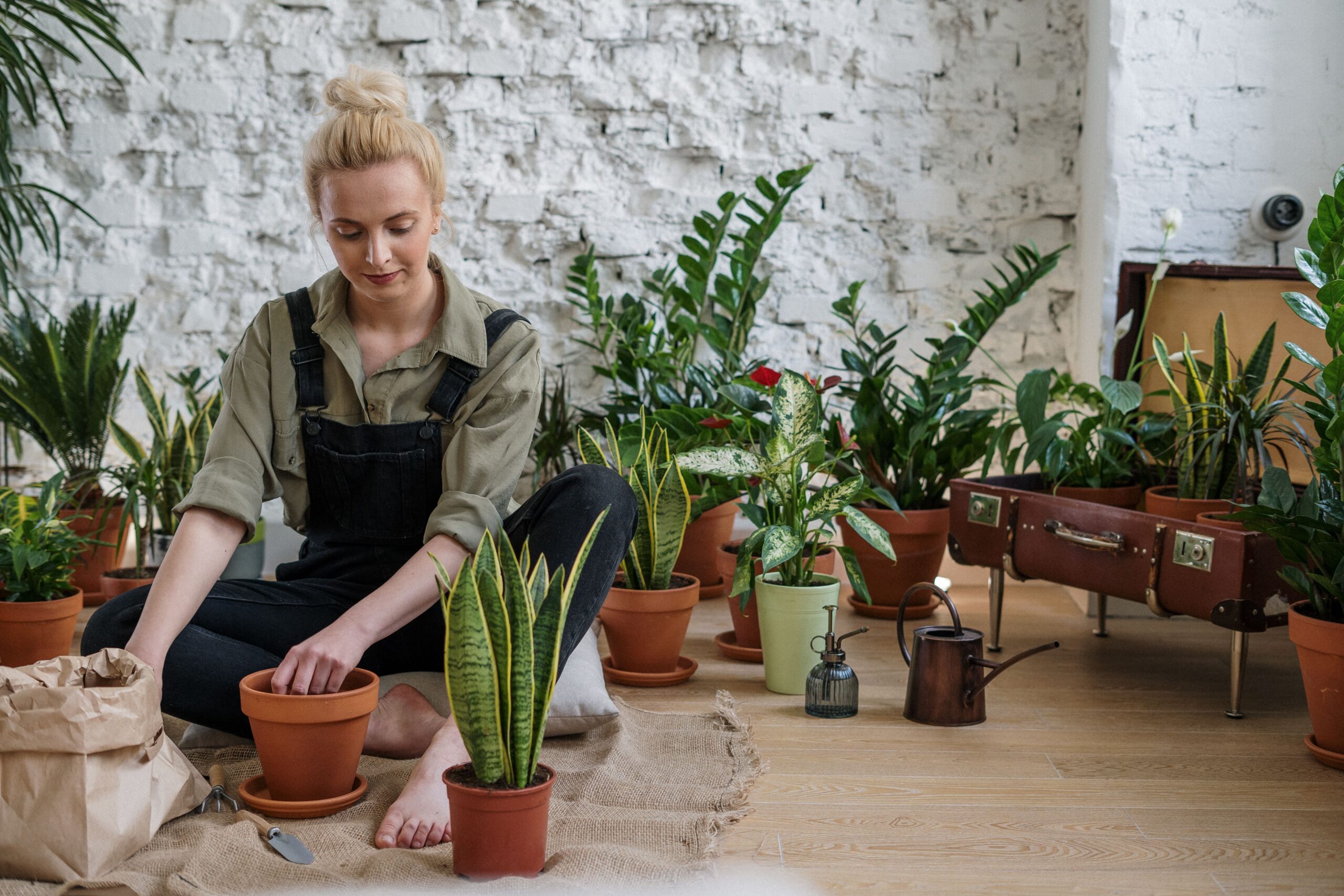
Growing houseplants can feel intimidating when you’re just starting out.
You buy a beautiful plant, place it near a window, water it when you remember, and hope for the best. A few weeks later, the leaves start turning yellow, growth slows down, and you’re left wondering what went wrong.
The good news is that success with indoor plants isn’t about having a “green thumb.” In most cases, it’s about choosing plants that match your experience level.
As someone who has spent years growing indoor plants and helping beginners troubleshoot common problems, I’ve noticed a simple pattern: people stick with the hobby when they see results early. A plant that produces new leaves every few weeks builds confidence. A plant that sits unchanged for months often doesn’t.
That’s why this guide focuses on fast growing houseplants for beginners—plants that are forgiving, adaptable, and rewarding to grow. Whether you live in a small apartment, a student dorm, or a family home, these plants can help you create a greener indoor space without feeling overwhelmed.
Table of Contents
- Why Fast-Growing Houseplants Are Ideal for Beginners
- What Makes a Houseplant Beginner-Friendly?
- Pothos (Devil’s Ivy)
- Spider Plant
- Heartleaf Philodendron
- Tradescantia
- Monstera Deliciosa
- Common Beginner Mistakes to Avoid
- How to Encourage Faster Indoor Plant Growth
- Frequently Asked Questions
- Final Thoughts
Why Fast-Growing Houseplants Are Ideal for Beginners
One of the biggest challenges new plant owners face is uncertainty.
When a plant grows slowly, it’s difficult to tell whether you’re caring for it correctly. Fast-growing plants remove much of that guesswork. They respond quickly to good care, making it easier to learn what works.
These plants also tend to recover better from common beginner mistakes such as missed waterings or less-than-perfect lighting conditions.
Perhaps most importantly, visible growth is motivating. Seeing a new leaf emerge or a vine stretch several inches can turn a casual interest into a lasting hobby.
What Makes a Houseplant Beginner-Friendly?
Not every attractive houseplant is suitable for beginners.
Some species require precise humidity levels, specialized soil mixes, or constant monitoring. For someone just getting started, that can quickly become frustrating.
The best indoor plants for beginners usually share these qualities:
- Adapt well to typical indoor environments
- Tolerate occasional care mistakes
- Grow consistently throughout the year
- Require minimal specialized equipment
- Resist common indoor pests
- Are easy to propagate and multiply
The plants below meet all of these criteria while offering impressive growth rates.
1. Pothos (Devil’s Ivy)
The Plant Almost Everyone Can Grow Successfully
If indoor gardening had a beginner’s champion, pothos would probably win.
Its trailing vines, glossy leaves, and remarkable adaptability have made it one of the most popular houseplants in the world. In homes with decent lighting, pothos can grow surprisingly fast, often producing several feet of new vine growth each year.
Why It’s Great for Beginners
- Thrives in various lighting conditions
- Recovers quickly from minor neglect
- Easy to propagate in water
- Rarely develops serious problems
Care Basics
Light: Bright indirect light produces the fastest growth, though pothos can tolerate lower light levels.
Water: Allow the top inch of soil to dry before watering again.
Growth Tip: Trim long vines occasionally to encourage fuller growth.
Real-World Example
One of the easiest ways to brighten a home office is with a pothos placed on a shelf near a window. Within a few months, the vines often begin cascading downward, creating a lush appearance that makes the room feel more alive.
Common Mistake
The biggest issue beginners face is overwatering. If leaves start turning yellow, soggy soil is often the culprit.
2. Spider Plant
A Classic Houseplant That Rewards New Growers
Spider plants have remained popular for decades for a simple reason: they’re incredibly dependable.
These plants produce long arching leaves and eventually develop small offshoots, often called “babies” or spiderettes. Watching these miniature plants appear is one of the most satisfying experiences for new plant owners.
Why It’s Great for Beginners
- Highly adaptable
- Fast-growing under proper conditions
- Easy to propagate
- Pet-friendly compared to many common houseplants
Care Basics
Light: Bright indirect sunlight.
Water: Water when the top layer of soil feels dry.
Temperature: Standard indoor temperatures work perfectly.
Expert Observation
Many beginner growers underestimate how much brighter indirect light can improve growth. A spider plant near a well-lit window will often grow noticeably faster than one placed across a room.
Common Mistake
Too much direct afternoon sun can cause brown leaf tips and scorching.
3. Heartleaf Philodendron
The Low-Maintenance Favorite
For people who want greenery without constant attention, heartleaf philodendron is hard to beat.
Its soft, heart-shaped leaves and trailing growth habit make it ideal for bookshelves, hanging baskets, and plant stands.
Why It’s Great for Beginners
- Forgives occasional neglect
- Grows steadily throughout the year
- Handles average indoor humidity
- Easy to prune and shape
Care Basics
Light: Medium to bright indirect light.
Water: Water when the top inch of soil dries out.
Humidity: Appreciates extra humidity but doesn’t require it.
Practical Example
Many busy professionals choose philodendrons because they remain attractive even during hectic weeks when plant care isn’t a top priority.
Common Mistake
Allowing vines to grow excessively long without pruning can result in sparse-looking growth. Occasional trimming keeps the plant fuller and healthier.
4. Tradescantia
Fast Growth with a Splash of Color
Most beginner-friendly houseplants are primarily green.
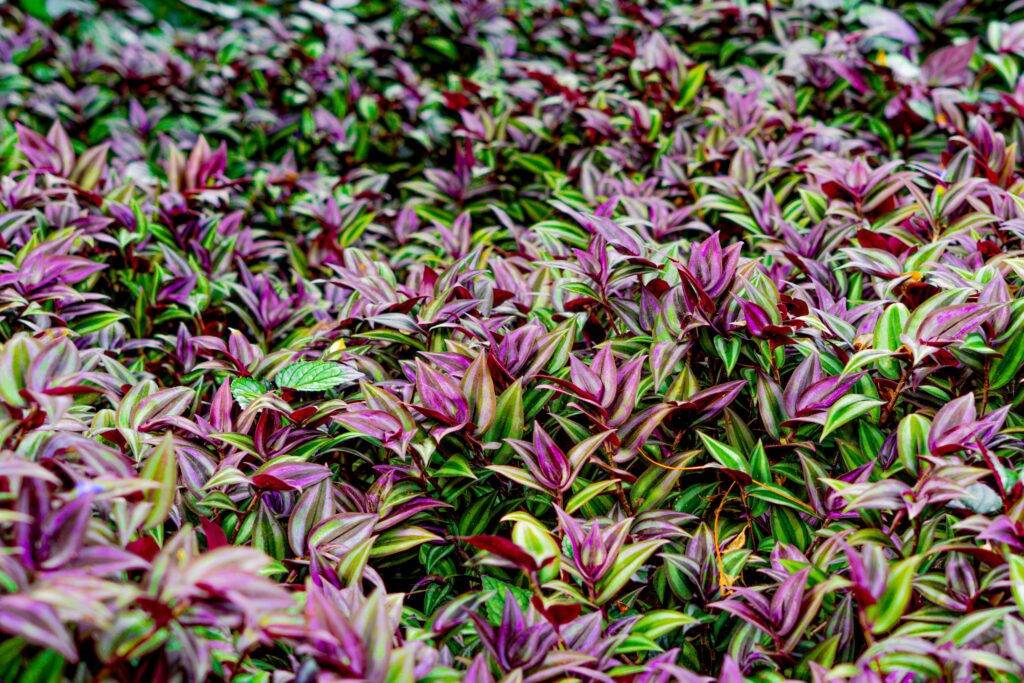
Tradescantia stands out because its leaves often feature striking shades of purple, silver, pink, and green. It adds color as well as texture to indoor spaces.
Under bright conditions, growth can be remarkably fast.
Why It’s Great for Beginners
- Rapid growth
- Easy propagation
- Unique foliage colors
- Works well in hanging baskets
Care Basics
Light: Bright indirect light.
Water: Keep soil lightly moist but never waterlogged.
Pruning: Pinch back stems regularly to maintain a bushy appearance.
Real-Life Scenario
In apartments where floor space is limited, Tradescantia is often displayed in hanging planters. Within a few months, it can create an attractive cascading effect that looks far more established than its age suggests.
Common Mistake
Insufficient light often leads to long, stretched stems and faded leaf colors.
5. Monstera Deliciosa
The Statement Plant That Keeps Getting Better
Few houseplants make a stronger visual impact than Monstera Deliciosa.
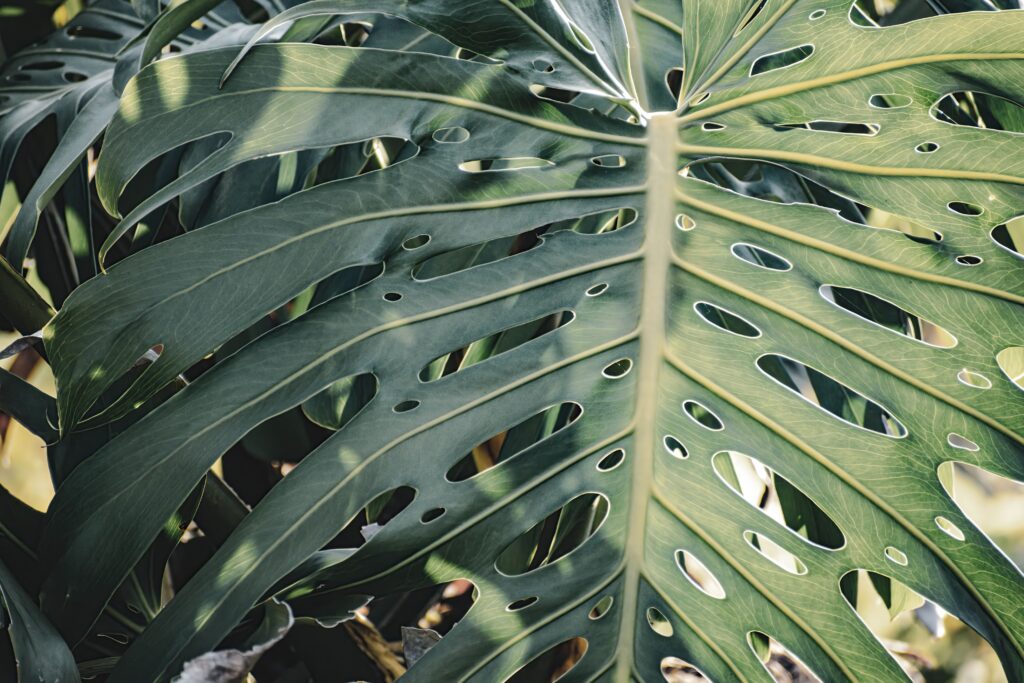
Its large split leaves have become a signature feature in modern interior design, but its popularity isn’t just about appearance. Under the right conditions, Monsteras grow quickly and become increasingly dramatic with age.
Why It’s Great for Beginners
- Noticeable growth
- Adaptable nature
- Long lifespan
- Stunning mature foliage
Care Basics
Light: Bright indirect sunlight.
Water: Allow the top few inches of soil to dry before watering.
Support: A moss pole helps encourage larger leaves and healthier growth.
Expert Insight
Many new growers are surprised to learn that young Monstera leaves often lack the characteristic splits. As the plant matures and receives adequate light, those iconic leaf openings begin to appear.
Common Mistake
Placing the plant in a dark corner often results in slower growth and smaller leaves.
Common Beginner Mistakes to Avoid
Even the most easy houseplants to grow can struggle when basic care principles are ignored.
Watering on a Schedule Instead of Checking the Soil
Plants don’t follow calendars.
Temperature, humidity, and seasonal changes all affect water needs. Always check the soil before watering.
Choosing Decorative Pots Without Drainage
Beautiful pots are tempting, but drainage holes help prevent root rot—one of the most common causes of houseplant failure.
Ignoring Light Requirements
Many people underestimate how much light indoor plants actually need.
A few feet farther from a window can make a significant difference.
Over-Fertilizing
More fertilizer doesn’t automatically produce faster growth. Excess fertilizer can damage roots and stress plants.
Moving Plants Constantly
Houseplants adapt to their environment. Frequently changing locations can slow growth and cause unnecessary stress.
How to Encourage Faster Indoor Plant Growth
Want healthier and more vigorous plants?
Focus on the fundamentals rather than searching for shortcuts.
Provide Consistent Light
Bright indirect light is often the biggest factor influencing growth.
Use Quality Potting Mix
Healthy roots need oxygen as much as they need water.
Rotate Plants Every Few Weeks
This encourages balanced growth and prevents leaning.
Feed During Active Growth
A balanced fertilizer applied during spring and summer can support healthy development.
Observe Your Plants
The best plant owners aren’t necessarily experts—they’re observant. Small changes in leaf color, growth rate, or posture often provide valuable clues about a plant’s needs.
Frequently Asked Questions
What is the fastest-growing houseplant for beginners?
Pothos and Tradescantia are among the fastest-growing options, often producing noticeable new growth within weeks.
Which beginner houseplant requires the least maintenance?
Heartleaf Philodendron and Pothos are excellent choices for people with busy schedules.
Can fast-growing indoor plants survive in low light?
Many can tolerate lower light conditions, but growth will generally be slower and less vigorous.
How often should I water indoor plants?
Instead of following a fixed schedule, check the soil regularly and water when appropriate.
Which houseplant is best for small apartments?
Pothos, Spider Plants, and Heartleaf Philodendrons are excellent choices because they require minimal space while providing substantial visual impact.
Final Thoughts
The easiest way to succeed with houseplants is to start with species that want to grow.
Pothos, Spider Plants, Heartleaf Philodendrons, Tradescantia, and Monstera Deliciosa have earned their popularity because they combine beauty, resilience, and steady growth. They don’t demand expert-level knowledge, expensive equipment, or perfect conditions.
Start with one or two plants, learn their habits, and pay attention to how they respond to your environment. Before long, you’ll develop the confidence that experienced plant owners share—the ability to recognize what a plant needs and enjoy the process of helping it thrive.
For most beginners, that’s the moment indoor gardening becomes more than a hobby. It becomes a genuinely rewarding part of everyday life.