
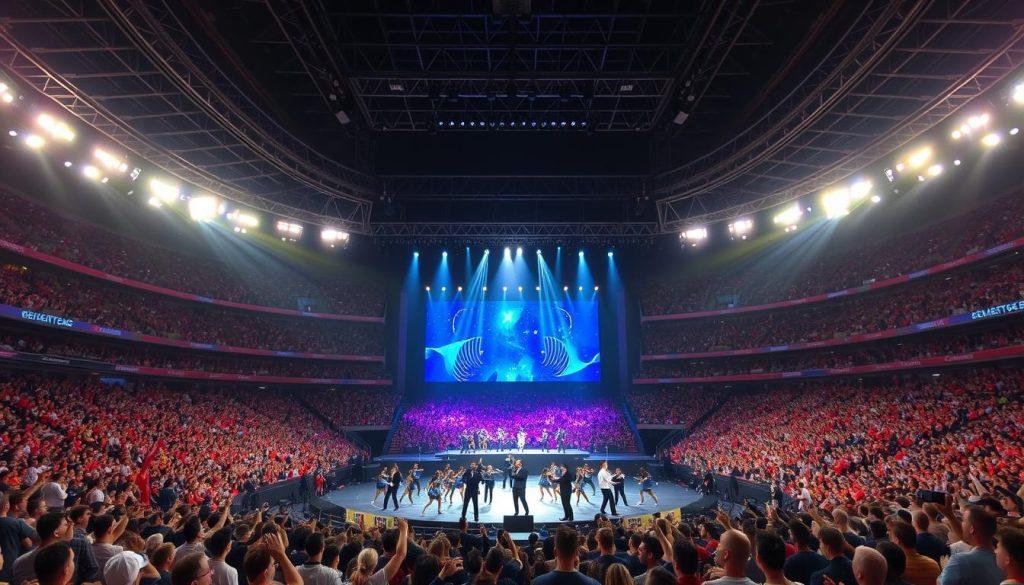
Ask any football fan about their favorite World Cup memory, and you’ll hear more than match results.
Some remember Andrés Iniesta’s winning goal in 2010. Others remember watching matches with friends in crowded public squares. Many still associate entire tournaments with songs like “Waka Waka” by Shakira or “The Cup of Life” by Ricky Martin.
That’s what makes the FIFA World Cup unique. It’s never been just a sporting event. It’s a cultural moment shared by billions of people around the world.
The 2026 FIFA World Cup is set to push that idea even further.
With matches spread across North America and an increased focus on live entertainment, fan festivals, technology, and global music, the tournament is shaping up to be one of the most ambitious sporting events ever organized.
In this guide, we’ll explore the World Cup opening ceremony 2026 highlights, how entertainment is becoming a bigger part of football culture, and what travelers can expect when visiting the host cities.
Table of Contents
- Why the 2026 World Cup Feels Different
- How Football and Entertainment Became Inseparable
- World Cup Opening Ceremony 2026 Highlights
- Why FIFA Is Borrowing Ideas From the Super Bowl
- The Fan Experience Beyond the Match
- 2026 World Cup Host Cities Travel Guide
- What This Means for the Future of Football
- Common Travel Mistakes to Avoid
- Frequently Asked Questions
- Final Thoughts
Why the 2026 World Cup Feels Different
Every World Cup introduces something new.
In recent decades we’ve seen technological innovations, larger global audiences, and increasingly sophisticated stadium experiences. The 2026 tournament, however, represents a much bigger shift.
For the first time, the competition will be hosted by three countries—Canada, Mexico, and the United States. It will also feature an expanded format, making it the largest World Cup ever staged.
Yet the most noticeable change may happen outside the matches themselves.
Fans are no longer looking for a ticket, a seat, and ninety minutes of football. They want an experience that starts when they arrive in the city and continues long after the final whistle.
That’s why organizers are investing heavily in entertainment, public events, interactive technology, and cultural celebrations alongside the tournament.
How Football and Entertainment Became Inseparable
Long before social media existed, music helped define World Cup tournaments.
Many fans can instantly identify a World Cup era simply by hearing a song connected to it.
Consider a few examples:
- Waka Waka (This Time for Africa) – Shakira
- Wavin’ Flag – K’naan
- The Cup of Life – Ricky Martin
These songs became global hits because they captured the excitement and emotional energy of football’s biggest stage.
More Than Just Music
The relationship between football and entertainment has expanded significantly over the past decade.
Today, major sporting events compete for attention in a crowded media landscape. Fans can watch movies, concerts, esports, and live streams from anywhere in the world.
To stay relevant, sporting events increasingly focus on creating memorable moments beyond the game itself.
The World Cup is now part sporting competition, part cultural festival, and part global celebration.
World Cup Opening Ceremony 2026 Highlights
The opening ceremony has always been one of the most-watched moments of any World Cup.
For 2026, expectations are especially high because of the tournament’s scale and global visibility.
A Showcase of Three Nations
Unlike previous tournaments hosted by a single country, the 2026 World Cup offers a rare opportunity to celebrate three distinct national cultures.
Viewers can expect elements inspired by:
- American entertainment production
- Canadian multiculturalism
- Mexico’s rich football heritage and traditions
Creating a unified story across three countries won’t be easy, but it could result in one of the most memorable opening ceremonies in World Cup history.
Bigger Production, Bigger Expectations
Modern audiences expect more than dancers and fireworks.
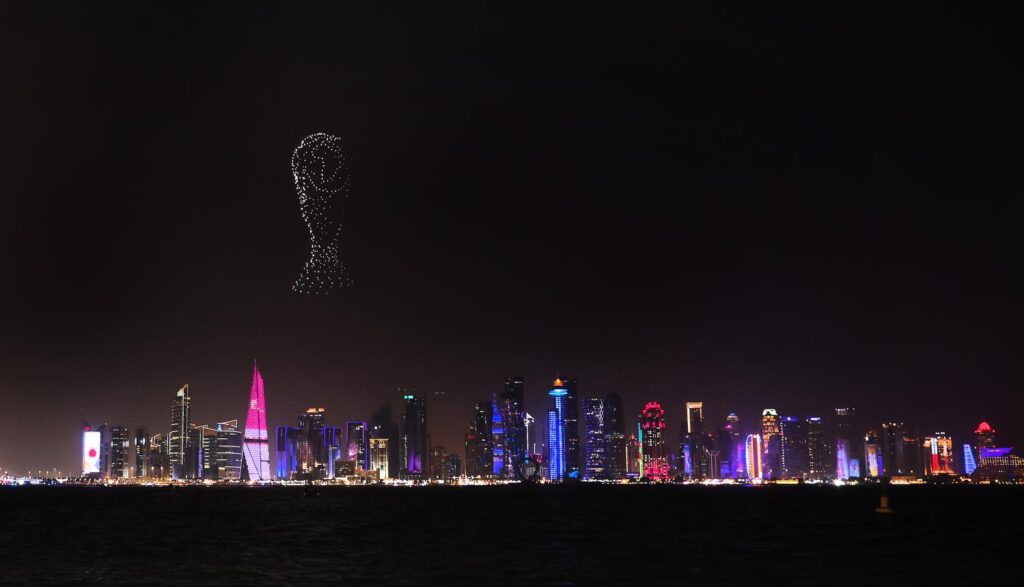
Recent international events have shown how technologies such as:
- Drone light shows
- Interactive LED displays
- Immersive stadium projections
- Augmented reality visuals
can transform a ceremony into a global spectacle.
Given the resources available across North America’s largest venues, expectations are understandably high.
Global Music Stars Will Be Central
While FIFA has not officially announced performers, history suggests that internationally recognized artists will play a major role.
The challenge isn’t simply finding famous names.
It’s finding performers whose music resonates across continents and cultures, just as Shakira’s World Cup anthem did years ago.
Why FIFA Is Borrowing Ideas From the Super Bowl
The comparison between the 2026 World Cup and the Super Bowl isn’t about football versus American football.
It’s about audience expectations.
The Super Bowl has become a masterclass in turning a sporting event into a broader entertainment experience.
Millions of viewers tune in not only for the game but also for:
- Halftime performances
- Celebrity appearances
- Visual storytelling
- Viral moments
FIFA understands that younger audiences consume events differently than previous generations.
Many fans engage through social media clips, behind-the-scenes content, and entertainment highlights.
Creating shareable moments helps keep the tournament relevant to a global digital audience.
The Fan Experience Beyond the Match
One lesson from recent international tournaments is clear:
Some of the best memories happen outside the stadium.
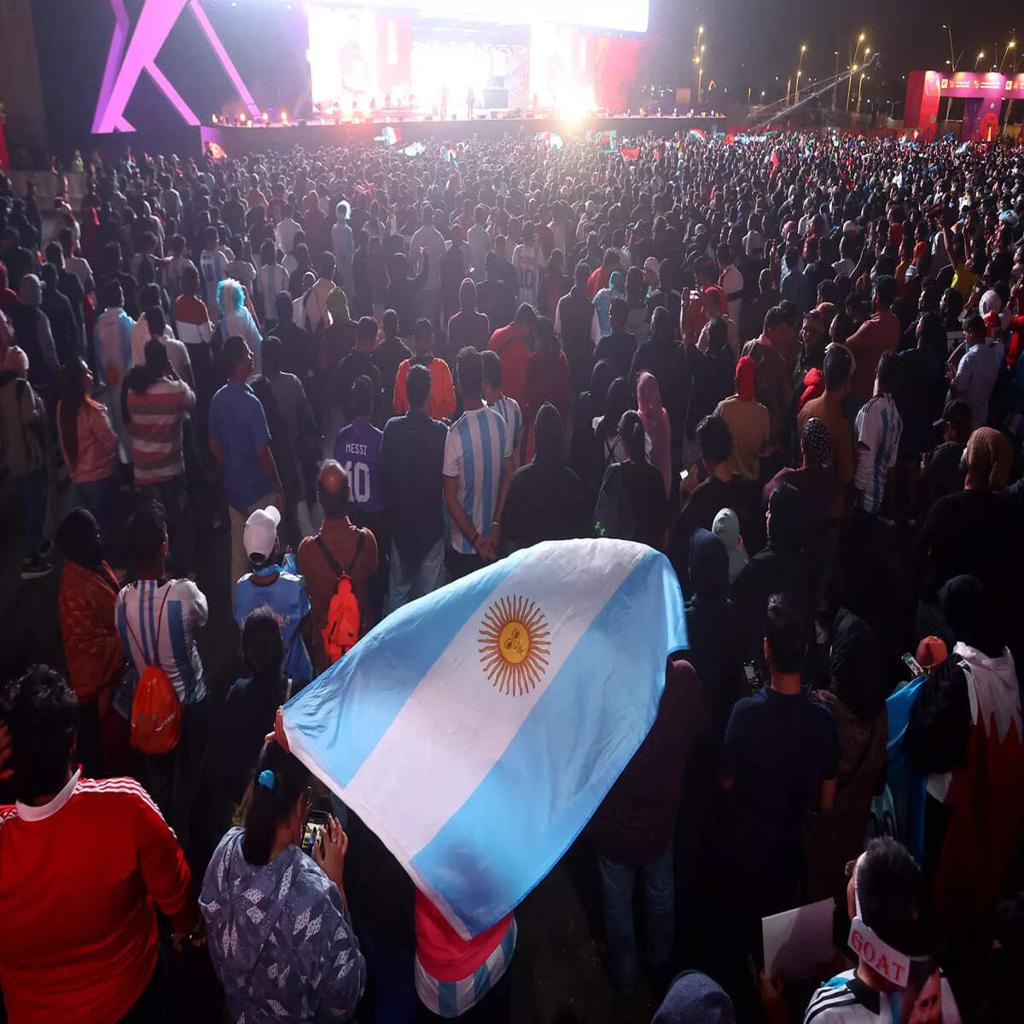
A supporter may forget the score of a group-stage match years later, but they’ll remember celebrating with thousands of fans from different countries in a city square.
Fan Zones Are Becoming Destinations
Fan zones have evolved dramatically.
They’re no longer simply places to watch matches on large screens.
Today’s fan zones often feature:
- Live concerts
- Food festivals
- Interactive exhibits
- Family-friendly activities
- Sponsor activations
- Cultural performances
For visitors without match tickets, these areas can still provide an unforgettable World Cup experience.
Technology Will Play a Bigger Role
Navigating a tournament spread across dozens of venues can be challenging.
Digital tools are expected to help fans:
- Find transportation routes
- Access event schedules
- Locate fan zones
- Discover local attractions
- Receive real-time updates
For international travelers, these tools can significantly improve the overall experience.
2026 World Cup Host Cities Travel Guide
One of the most exciting aspects of the tournament is the opportunity to explore multiple destinations in a single trip.
Each host city offers a unique atmosphere.
New York/New Jersey
The region combines iconic landmarks with one of the largest sports markets in the world.
Visitors can explore famous attractions while experiencing the energy of a major World Cup venue.
Los Angeles
Los Angeles offers a blend of football culture, entertainment, beaches, and world-famous attractions.
For international visitors, it represents the intersection of sports and entertainment that defines much of the 2026 tournament.
Mexico City
Few places embrace football with the same passion as Mexico City.
The city’s football history, local traditions, and vibrant atmosphere make it one of the most anticipated destinations of the tournament.
Toronto and Vancouver
Canada’s host cities provide a different experience, combining modern urban environments with easy access to natural attractions.
Many visitors may choose to extend their trips beyond match days to explore the surrounding regions.
What This Means for the Future of Football
The 2026 World Cup may serve as a blueprint for future international tournaments.
If entertainment-focused initiatives prove successful, future events could place even greater emphasis on:
- Cultural programming
- Music partnerships
- Fan festivals
- Interactive technologies
- Digital engagement
Traditional football supporters may debate these changes, but one thing is certain:
The World Cup is evolving to meet the expectations of a new generation of fans.
And that evolution is unlikely to stop anytime soon.
Common Travel Mistakes Fans Should Avoid
Planning ahead can dramatically improve your World Cup experience.
Waiting Too Long to Book Accommodation
Host cities often experience significant demand during major sporting events.
Early reservations typically provide more options and better prices.
Staying Too Far From Transportation Hubs
A cheaper hotel isn’t always a better deal if it requires lengthy travel times to stadiums and fan zones.
Convenience often becomes more valuable during large events.
Trying to Attend Everything
Many first-time visitors overload their schedules.
Leave time to explore neighborhoods, meet fellow supporters, and enjoy unexpected experiences.
Those moments often become the most memorable part of the trip.
Frequently Asked Questions
What are the biggest World Cup opening ceremony 2026 highlights expected so far?
Fans expect large-scale entertainment, international music performances, advanced visual technology, and cultural showcases representing the United States, Canada, and Mexico.
Why is the 2026 World Cup compared to the Super Bowl?
Because organizers are placing greater emphasis on entertainment, fan engagement, and large-scale productions alongside the sporting competition.
Which countries are hosting the 2026 FIFA World Cup?
The tournament will be jointly hosted by Canada, Mexico, and the United States.
Will fan zones be worth visiting?
Absolutely. Many experienced tournament travelers consider fan zones among the most enjoyable parts of the World Cup experience.
Is the tournament suitable for families?
Yes. Public events, cultural activities, and family-friendly fan zones make the World Cup accessible for visitors of all ages.
Final Thoughts
The 2026 FIFA World Cup is about more than football.
It represents the continuing evolution of global sporting events into experiences that combine competition, culture, travel, music, and technology.
For lifelong football supporters, the matches will always remain the heart of the tournament. But for millions of visitors and viewers, the memories will also come from concerts, fan festivals, city celebrations, and shared moments with people from around the world.
If past World Cups gave us unforgettable goals and iconic songs, the 2026 edition may be remembered for something even bigger—a successful fusion of sport and entertainment on a scale we’ve never seen before.
Whether you’re planning a trip across North America or watching from home, this tournament has all the ingredients to become one of the most memorable World Cups in history.