
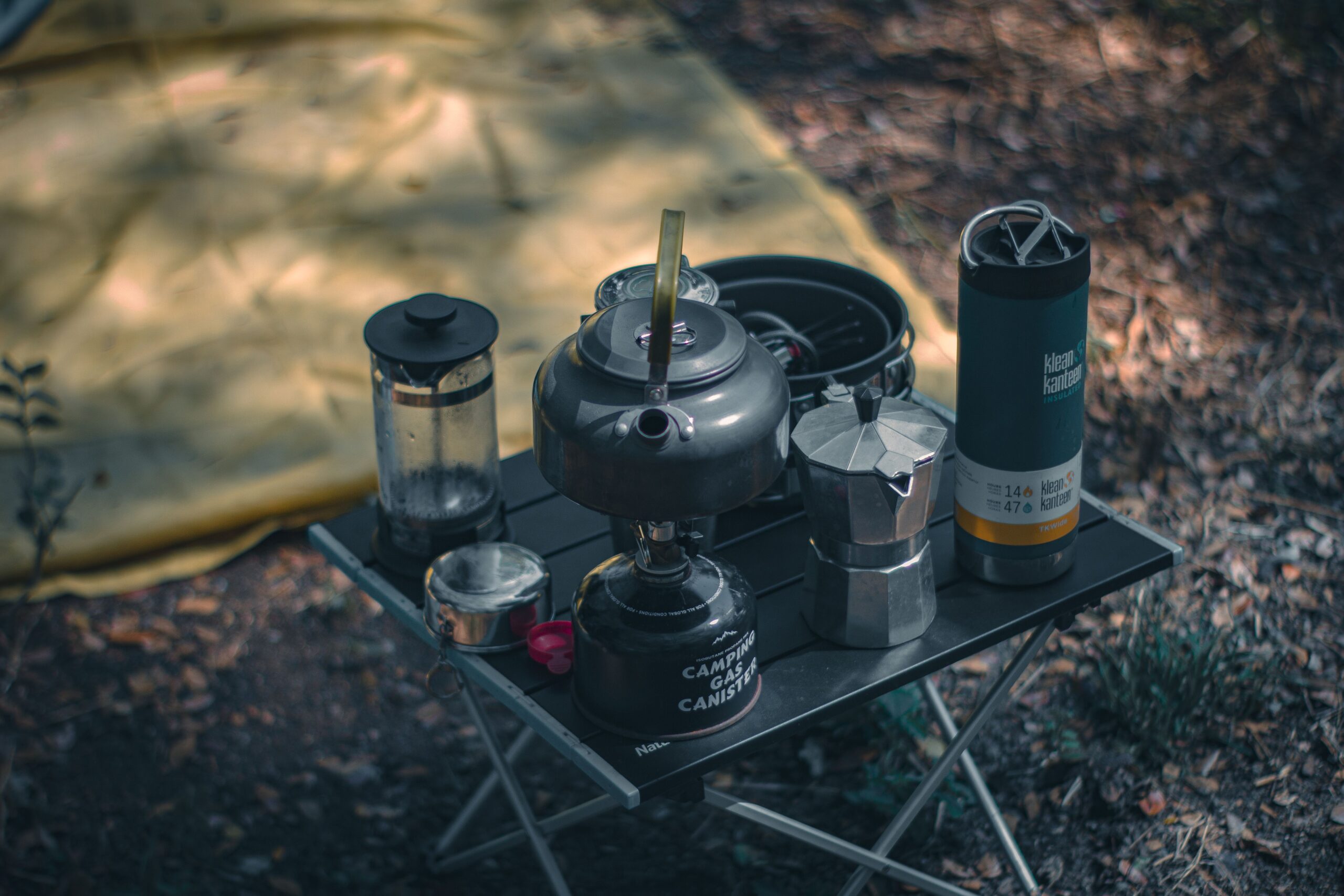
Simple outdoor equipment care habits that can add years to the life of your camping and hiking gear.
Introduction
Most campers don’t replace gear because it wears out naturally. They replace it because of preventable mistakes.
I’ve seen expensive tents ruined by a single weekend of careless storage. I’ve watched hikers struggle with leaking boots that could have lasted several more seasons with basic maintenance. In many cases, the damage wasn’t caused by rough trails or bad weather—it happened at home after the trip was over.
Quality outdoor gear is built to handle challenging conditions, but it still requires care. A tent that survives mountain storms can be damaged by months of damp storage. A premium sleeping bag can lose warmth if it’s compressed incorrectly. Even durable hiking boots can fail early when dirt and moisture are ignored.
The good news is that most maintenance takes only a few minutes. Small habits performed consistently can save hundreds of dollars in replacement costs while keeping your equipment reliable when you need it most.
This guide covers the most common camping gear maintenance mistakes, why they matter, and what experienced campers do differently.
Table of Contents
- Why Camping Gear Maintenance Matters
- 15 Costly Gear Maintenance Mistakes
- A Simple Outdoor Equipment Care Routine
- Camping Safety Checklist Before Every Trip
- Frequently Asked Questions
- Key Takeaways
Why Camping Gear Maintenance Matters
Outdoor gear is an investment.
Whether you’ve spent $50 or $500 on a piece of equipment, proper maintenance affects three important things:
- Performance – Gear works the way it was designed.
- Safety – Equipment failures are less likely in the field.
- Longevity – You get more years from your purchase.
Many campers focus heavily on buying the right gear but spend very little time maintaining it. In reality, maintenance often has a bigger impact on long-term value than the original purchase decision.
Think about it this way: a well-maintained mid-range tent can outlast a neglected premium tent.
15 Camping Gear Maintenance Mistakes That Cost You Money
1. Packing Away a Wet Tent
This is easily one of the most expensive mistakes campers make.
Even a tent that feels only slightly damp can develop mold and mildew during storage. Moisture trapped inside folds creates the perfect environment for growth, especially during warmer months.
What Happens Over Time?
- Musty odors develop
- Waterproof coatings degrade
- Fabric weakens
- Mold stains become permanent
Better Practice
When you get home, pitch the tent in the yard, garage, or a well-ventilated area until it’s completely dry.
A 20-minute drying session can prevent a costly replacement later.
2. Treating Tent Cleaning as an Afterthought
Many people shake out debris and call it good.
Unfortunately, dirt, sand, pine needles, and tree sap gradually wear down tent fabrics and coatings. Tiny abrasive particles act like sandpaper every time the tent is packed and unpacked.
Better Practice
After each trip:
- Remove loose dirt
- Sweep out debris
- Spot-clean stains
- Wipe muddy sections with a damp cloth
Regular light cleaning is more effective than occasional deep cleaning.
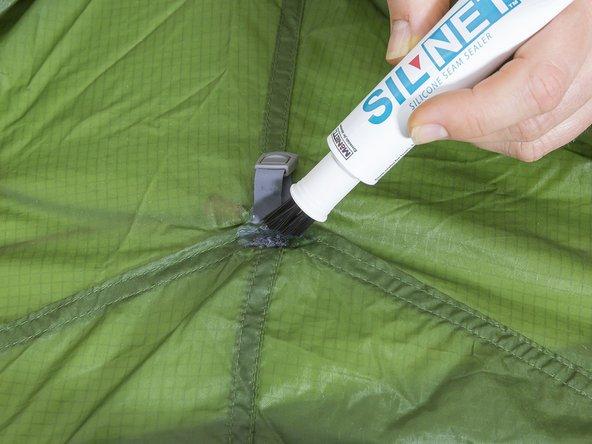
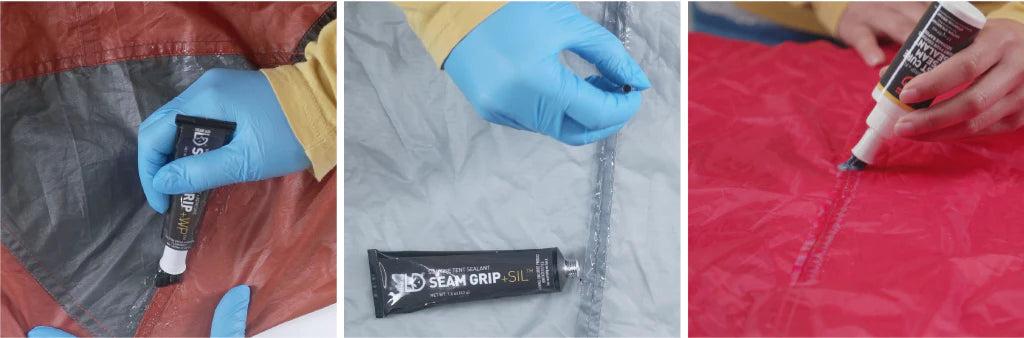
3. Ignoring Tent Seams Until They Leak
A tent can look perfect while its seam sealing slowly deteriorates.
The first sign of trouble often appears during a heavy rainstorm—exactly when you don’t want equipment failure.
Better Practice
At least once a year:
- Inspect seams closely
- Look for cracking or peeling sealant
- Reseal worn areas before leaks develop
Preventive maintenance is far easier than dealing with water inside your shelter.
4. Storing Sleeping Bags Compressed
Stuff sacks are designed for transportation, not storage.
Keeping a sleeping bag compressed for months flattens the insulation and reduces its ability to trap heat.
Why It Matters
Once insulation loses loft, warmth declines significantly.
Better Practice
Store sleeping bags:
- Loosely in large storage sacks
- Hanging in a closet
- In breathable cotton storage bags
This simple habit can add years to a sleeping bag’s useful life.
5. Washing Sleeping Bags Like Everyday Laundry
Technical outdoor gear requires different care than regular clothing.
Using standard detergent or excessive heat can damage insulation and fabrics.
Better Practice
- Follow manufacturer instructions
- Use specialty cleaners when recommended
- Dry carefully and completely
- Avoid high heat settings
A sleeping bag may only need a full wash every few seasons, depending on use.
6. Neglecting Hiking Boot Maintenance
Hiking boots absorb dirt, moisture, and sweat on every outing.
Left untreated, these contaminants slowly weaken stitching, dry out leather, and shorten the lifespan of the footwear.
Better Practice
After muddy hikes:
- Remove dirt with a brush
- Clean soles thoroughly
- Air dry naturally
- Inspect for damage
Consistent hiking gear maintenance helps prevent small issues from becoming expensive problems.
7. Drying Boots Too Quickly
When boots are soaked, it’s tempting to place them near a campfire, heater, or wood stove.
That’s often when the damage begins.
Excessive heat can:
- Crack leather
- Warp materials
- Weaken adhesives
- Cause premature separation
Better Practice
Remove insoles, loosen laces, and allow boots to dry gradually. Newspaper can help absorb moisture without damaging materials.
8. Forgetting to Restore Waterproof Protection
Many outdoor jackets and pants don’t actually lose their waterproof membranes first.
They lose their durable water-repellent coating.
When this happens, water stops beading on the surface and begins soaking into the outer fabric.
Better Practice
Reapply waterproof treatments when performance starts to decline.
Waiting until gear completely fails usually means you’ve waited too long.
9. Storing Gear in Extreme Temperatures
Garages, sheds, and attics often experience temperature swings that damage outdoor equipment.
Heat accelerates material breakdown and can weaken plastics, adhesives, and coatings.
Better Practice
Store gear in:
- Closets
- Climate-controlled rooms
- Dry indoor storage spaces
A stable environment dramatically extends gear life.
10. Leaving Batteries in Electronics
Headlamps, GPS units, lanterns, and emergency radios may sit unused for months.
Battery leakage can permanently destroy internal components.
Better Practice
Remove batteries whenever equipment will be stored for extended periods.
This takes less than a minute and can save an expensive electronic device.
11. Never Inspecting Your Backpack
Backpacks often fail at their most stressed points:
- Buckles
- Zippers
- Compression straps
- Shoulder harness attachments
A tiny crack in a buckle may not seem important at home, but it can become a major inconvenience on a multi-day trip.
Better Practice
Give your pack a quick inspection before and after each outing.
12. Storing Dirty Cookware
Food residue attracts insects, rodents, and mold.
Even stainless-steel cookware can develop issues when stored wet or dirty.
Better Practice
Wash, dry, and inspect cooking equipment immediately after every trip.
Future-you will appreciate not discovering last season’s forgotten food remnants before your next adventure.
13. Ignoring Small Sleeping Pad Leaks
Tiny punctures rarely repair themselves.
In fact, they usually become larger over time.
Better Practice
Periodically inflate sleeping pads and check for:
- Slow air loss
- Valve problems
- Small punctures
Most minor leaks can be repaired quickly with inexpensive patch kits.
14. Forcing Stubborn Zippers
Tent doors, backpacks, jackets, and sleeping bags all rely on zippers.
When a zipper starts sticking, many people simply pull harder.
That’s often the moment it fails.
Better Practice
Clean dirt from zipper tracks and apply zipper lubricant occasionally.
It’s a simple maintenance task that prevents surprisingly expensive repairs.
15. Waiting Until Departure Day to Check Gear
This mistake creates more frustration than almost any other.
The night before a trip is the worst possible time to discover:
- Missing tent stakes
- Dead batteries
- Broken poles
- Torn rain gear
- Leaking sleeping pads
Better Practice
Inspect gear several days before departure.
This gives you time to repair, replace, or test equipment without paying premium last-minute prices.
A Simple Outdoor Equipment Care Routine
Many people overcomplicate gear maintenance.
You don’t need an elaborate system.
After Every Trip
- Dry everything completely
- Remove dirt and debris
- Clean cookware
- Check for obvious damage
- Remove batteries from stored electronics
Every Few Months
- Inspect tents and backpacks
- Test headlamps and lanterns
- Check waterproof gear
- Examine footwear
Once Per Year
- Reapply waterproof treatments
- Inspect tent seams
- Deep-clean sleeping bags
- Replace worn components
Fifteen minutes of maintenance after a trip can prevent hours of frustration later.
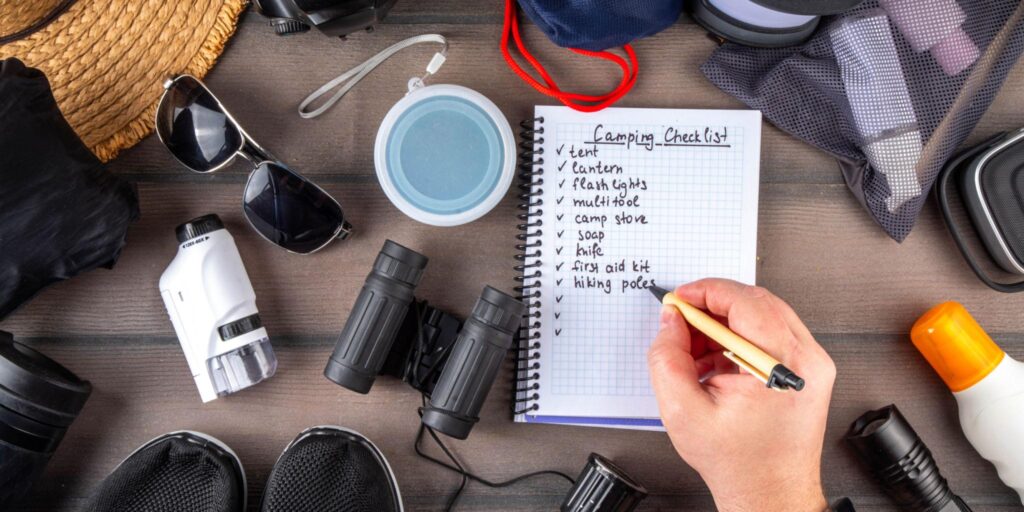
Camping Safety Checklist Before Every Trip
A quick inspection improves both safety and reliability.
Shelter
✅ Tent fabric intact
✅ Tent poles undamaged
✅ Stakes packed
✅ Rainfly present
Sleep System
✅ Sleeping bag dry
✅ Sleeping pad holds air
Footwear
✅ Boots free of major wear
✅ Laces in good condition
Electronics
✅ Fresh batteries installed
✅ Headlamp functioning
Safety Gear
✅ First aid kit stocked
✅ Water filter operational
Clothing
✅ Waterproof layers ready
✅ No damaged zippers or seams
This entire check takes less than ten minutes and can prevent most common gear-related issues.
Frequently Asked Questions
How often should camping gear be cleaned?
Light cleaning should happen after every trip. Deep cleaning is usually only necessary when gear becomes heavily soiled or performance begins to decline.
How long can quality camping gear last?
With proper care, many tents, backpacks, sleeping bags, and hiking boots can last 10 years or more.
Is it okay to store camping gear in a garage?
Only if the garage remains relatively cool and dry year-round. Excessive heat and humidity accelerate deterioration.
What’s the most commonly overlooked maintenance task?
Drying gear completely before storage. This single mistake causes more mold, mildew, and fabric damage than almost any other issue.
Do waterproof jackets need maintenance?
Yes. Waterproof treatments gradually wear off and should be refreshed periodically to maintain performance.
Key Takeaways
Most gear failures don’t happen in the wilderness—they happen during storage.
A tent packed away damp, a sleeping bag left compressed, or boots dried next to excessive heat may seem like minor oversights. Over time, those small mistakes add up to reduced performance, unexpected failures, and unnecessary replacement costs.
Good outdoor equipment care isn’t complicated. Clean gear after trips, store it properly, inspect it regularly, and address small problems before they become large ones.
The campers who get the most value from their gear aren’t necessarily the ones who spend the most money. They’re the ones who take a few extra minutes to maintain what they already own.