
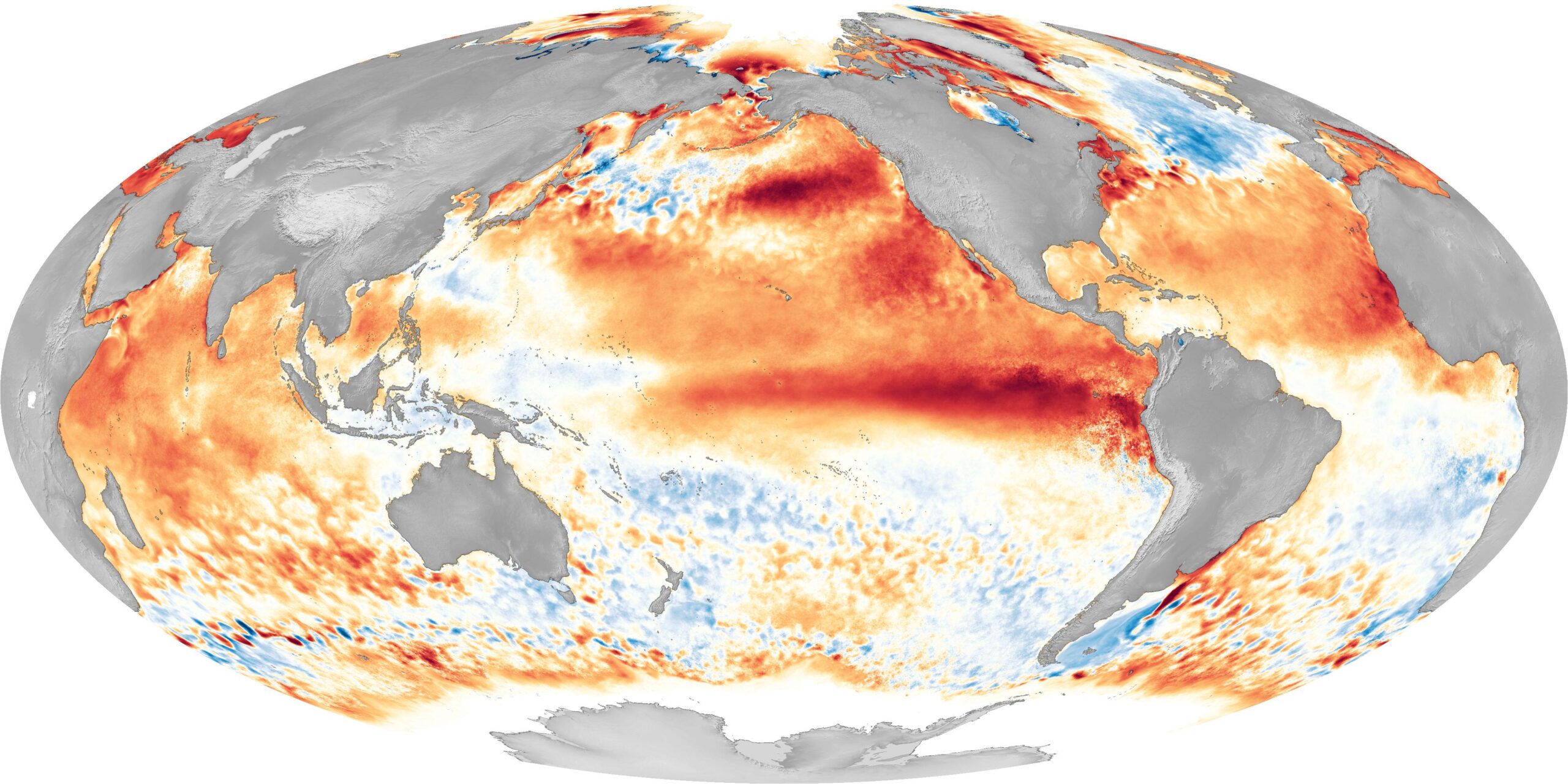
Understanding the science behind El Niño, why experts are paying close attention to 2026, and what changing weather patterns could mean for everyday life.
Introduction
A farmer in India waiting for monsoon rains. A family in California preparing for flood warnings. A fishing community in South America noticing changes in ocean conditions.
At first glance, these situations seem unrelated. Yet all of them can be influenced by the same climate phenomenon: El Niño.
Every few years, temperatures in the Pacific Ocean shift enough to alter weather patterns across large parts of the world. Sometimes the changes are modest. Other times they become powerful enough to earn a different label—a Super El Niño.
Recent discussions surrounding El Niño 2026 updates have renewed interest in how these ocean temperature changes can affect rainfall, droughts, storms, food production, and even global temperatures.
The good news is that El Niño isn’t a mystery. Scientists have been studying it for decades, and while no forecast is perfect, we understand far more today about its behavior than we did a generation ago.
This guide explains El Niño meaning and impact, how it differs from La Niña, why meteorologists are closely monitoring Pacific Ocean conditions, and what these shifts could mean for communities around the world.
Table of Contents
- What Is El Niño?
- What Makes a Super El Niño Different?
- El Niño vs. La Niña: Understanding the Difference
- How El Niño Changes Global Weather Patterns
- Why Monsoon Regions Pay Close Attention
- Lessons From Past Super El Niño Events
- El Niño 2026 Updates: What Scientists Are Watching
- Common Myths About El Niño
- How Individuals and Communities Can Prepare
- Frequently Asked Questions
- Key Takeaways
What Is El Niño?
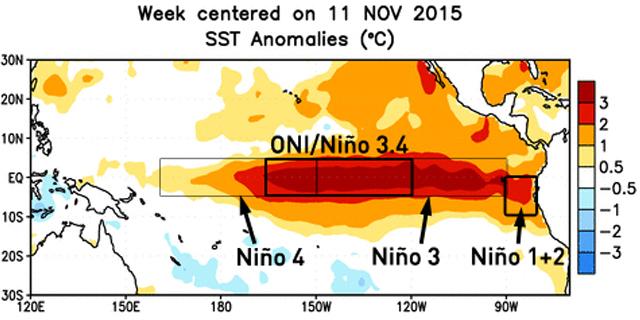
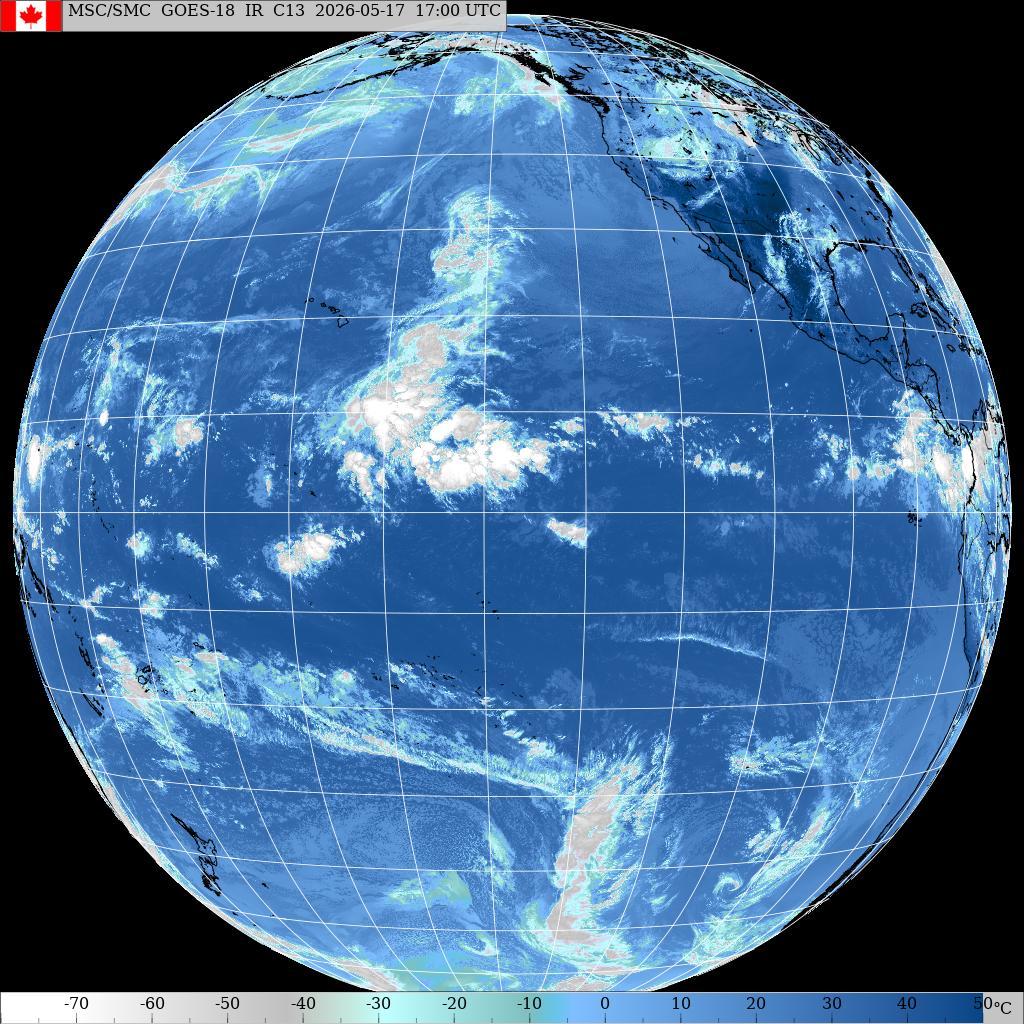
El Niño is a naturally occurring climate pattern caused by unusually warm ocean temperatures in parts of the central and eastern Pacific Ocean.
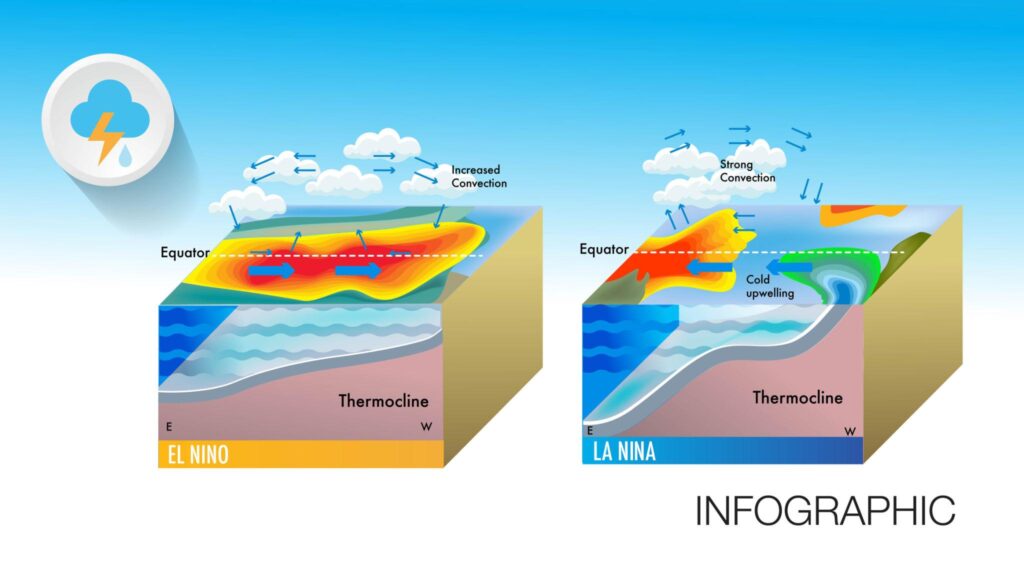
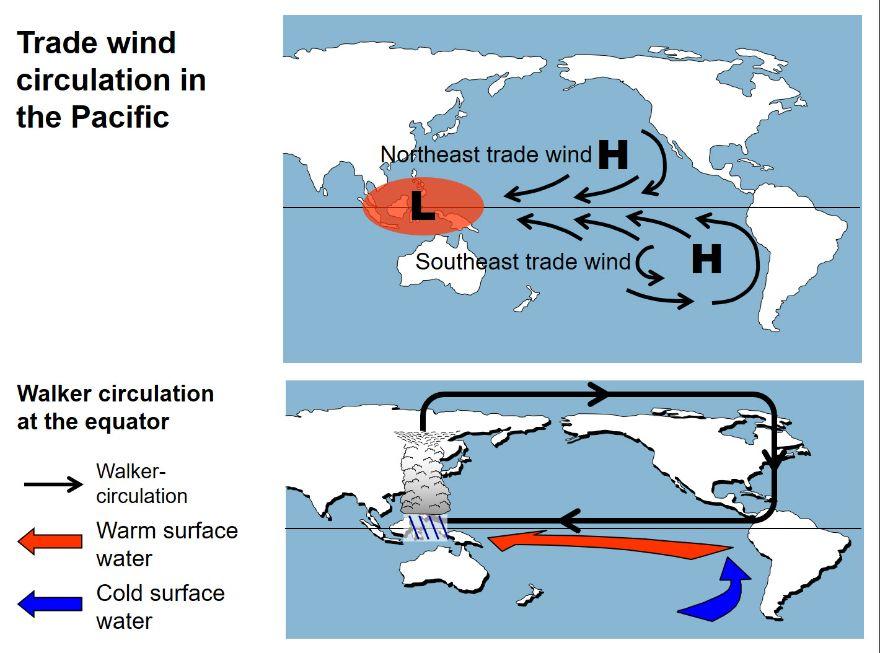
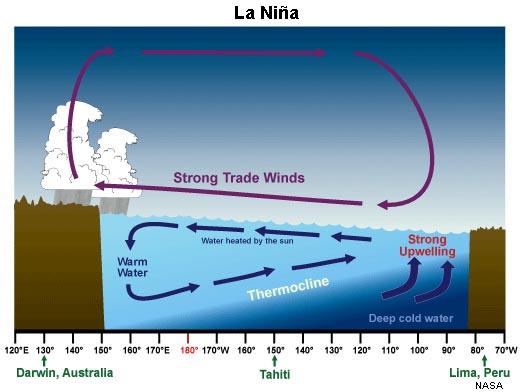
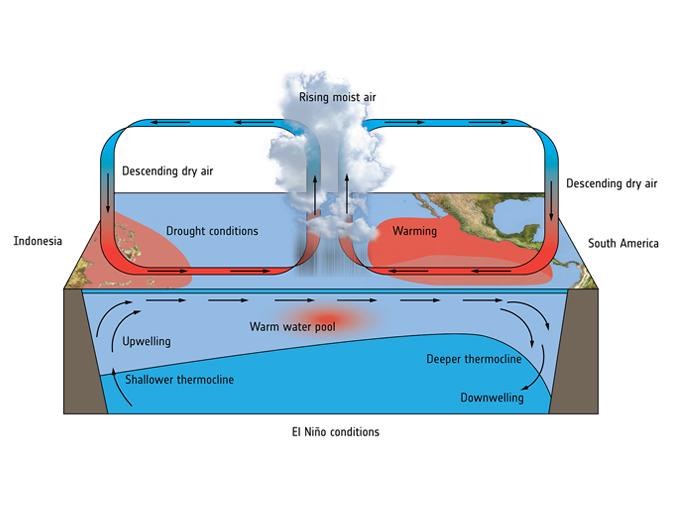
Under normal conditions, strong trade winds push warm surface water westward toward Asia and Australia. During an El Niño event, those winds weaken, allowing warm water to spread eastward.
That shift changes how heat and moisture move through the atmosphere.
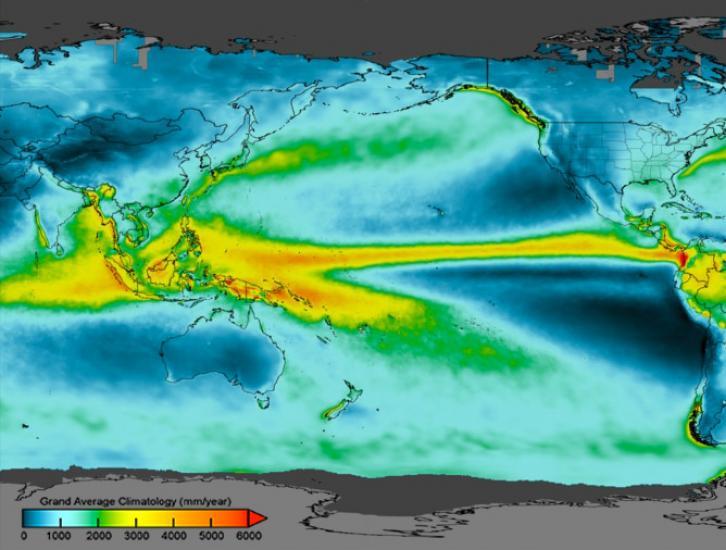
The result isn’t just warmer ocean water. It can influence rainfall, storm tracks, drought conditions, and temperatures across multiple continents.
A Simple Way to Think About It
Imagine the Pacific Ocean as one of Earth’s largest climate engines.
When part of that engine starts running differently, weather patterns around the world can respond.
That’s why meteorologists monitor Pacific Ocean temperatures so closely. Small ocean changes can trigger surprisingly large effects thousands of kilometers away.
What Makes a Super El Niño Different?
Not every El Niño receives global attention.
Some events are relatively weak and produce limited impacts. Others become exceptionally strong and significantly alter weather patterns worldwide.
These powerful episodes are often called Super El Niño events.
Characteristics of a Super El Niño
A Super El Niño typically includes:
- Exceptionally warm Pacific Ocean temperatures
- Larger disruptions to rainfall patterns
- Increased risk of flooding in some regions
- Greater drought risk in others
- Stronger influence on global temperatures
What makes these events remarkable is their reach.
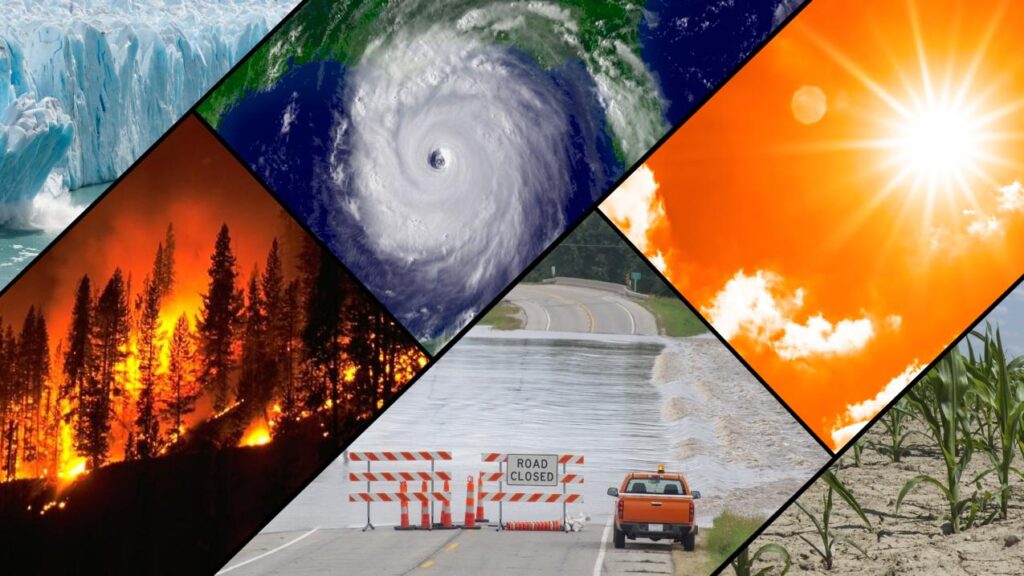
A single climate event in the Pacific can affect agriculture in Asia, fisheries in South America, wildfire risk in Australia, and rainfall patterns in North America.
That’s one reason governments, emergency planners, and agricultural sectors pay close attention whenever signs of a strong El Niño begin to emerge.
El Niño vs. La Niña: What’s the Difference?
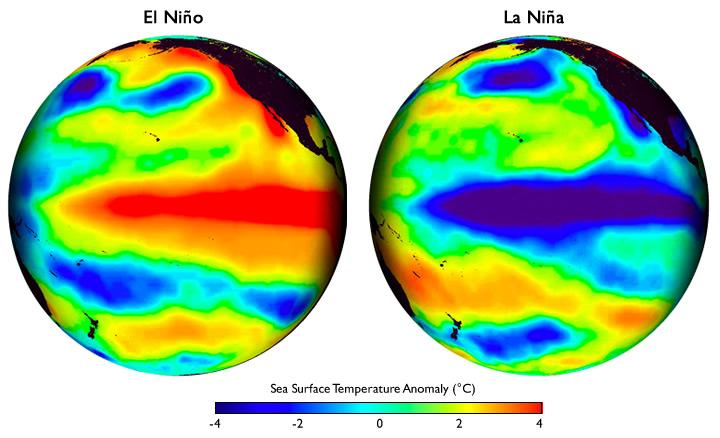
People often hear the terms El Niño and La Niña together because they represent opposite phases of the same climate cycle.
| Feature | El Niño | La Niña |
|---|---|---|
| Ocean Temperatures | Warmer than average | Cooler than average |
| Trade Winds | Weaken | Strengthen |
| Global Temperature Influence | Often raises averages | Often lowers averages slightly |
| Rainfall Patterns | Shift toward wetter conditions in some regions | Often produces opposite effects |
| Drought Risk | Higher in certain areas | Lower in some areas |
Easy Memory Trick
Think of:
- El Niño = Warm Phase
- La Niña = Cool Phase
Neither is inherently “good” or “bad.”
Both can create challenges depending on where you live.
A region that experiences drought during El Niño may receive beneficial rainfall during La Niña, while another area may experience the opposite.
How El Niño Changes Global Weather Patterns
One of the most fascinating aspects of El Niño is how a change in ocean temperatures can reshape weather across the globe.
Rising Global Temperatures
El Niño years are often among the warmest on record.
When ocean heat is transferred into the atmosphere, average global temperatures can increase noticeably.
This doesn’t mean El Niño causes long-term climate change, but it can temporarily amplify global warmth.
Increased Flood Risk
Some regions frequently experience above-average rainfall during El Niño conditions.
Potential impacts include:
- Flash floods
- River flooding
- Landslides
- Infrastructure damage
Communities already vulnerable to heavy rainfall often monitor El Niño forecasts carefully.
Higher Drought Risk
While some areas become wetter, others become drier.
Reduced rainfall can affect:
- Agriculture
- Reservoir levels
- Hydroelectric power generation
- Drinking water supplies
This uneven distribution of rainfall is one of the defining characteristics of El Niño global weather patterns.
Why Monsoon Regions Pay Close Attention
For millions of people, monsoon rainfall is more than a weather event—it’s the foundation of agriculture, water security, and economic stability.
That’s why the El Niño effect on monsoon systems receives so much attention.
A Real-World Example
Consider a rice farmer preparing fields before the planting season.
Seeds, labor, fertilizer purchases, and irrigation plans are often based on expected rainfall.
If monsoon rains arrive late or remain below normal, the consequences can extend beyond the farm itself. Crop production may decline, water demand can increase, and food prices may rise.
An Important Reality
One common misconception is that El Niño automatically causes a weak monsoon.
In reality, monsoon systems are influenced by multiple atmospheric and oceanic factors.
El Niño increases the probability of certain outcomes, but it does not guarantee them.
That’s why seasonal forecasts focus on risk rather than certainty.
Lessons From Past Super El Niño Events
Historical events provide valuable insight into what strong El Niño conditions can look like.
1982–83
This event surprised many forecasting systems of the time.
It contributed to significant flooding, agricultural losses, and disruptions to marine ecosystems.
Scientists still study this event because it highlighted how interconnected global weather systems truly are.
1997–98: The Benchmark Super El Niño
Many climatologists consider this one of the strongest El Niño events ever recorded.
Its impacts included:
- Severe flooding in some countries
- Extreme drought in others
- Major economic losses
- Significant agricultural disruption
The event demonstrated how a single climate pattern could influence multiple continents simultaneously.
2015–16
This Super El Niño coincided with record-breaking global temperatures.
It also helped scientists improve forecasting techniques and expand climate-monitoring networks.
El Niño 2026 Updates: What Scientists Are Watching
When experts discuss potential El Niño development, they aren’t making guesses.
They rely on a vast network of satellites, ocean sensors, weather stations, and climate models.
Sea Surface Temperatures
Ocean temperatures are one of the earliest indicators.
Persistent warming in key regions of the Pacific often signals that El Niño conditions may be developing.
Trade Winds
Changes in wind strength can provide additional clues.
Because trade winds help regulate ocean temperatures, shifts in their behavior are closely monitored.
Atmospheric Conditions
Scientists also examine pressure patterns and cloud formation across the Pacific.
These measurements help confirm whether warming is becoming part of a broader climate pattern.
Climate Models
Modern forecasting combines:
- Satellite observations
- Ocean buoy data
- Historical records
- Advanced computer simulations
No model can predict the future perfectly, but together they provide valuable guidance months in advance.
Common Myths About El Niño
Myth 1: El Niño Causes Every Extreme Weather Event
False.
Floods, droughts, heat waves, and storms can occur with or without El Niño.
The phenomenon increases the likelihood of certain patterns but doesn’t explain every weather event.
Myth 2: Every El Niño Is the Same
Not even close.
Each event differs in intensity, duration, and geographic impact.
A weak El Niño may produce limited effects, while a Super El Niño can reshape weather patterns globally.
Myth 3: Only Coastal Regions Are Affected
El Niño’s influence extends far beyond coastlines.
Agricultural regions, inland cities, mountain communities, and river basins can all experience consequences from shifting weather patterns.
How Individuals and Communities Can Prepare
Most people can’t influence global climate patterns, but they can prepare for weather-related risks.
Stay Informed
Rely on trusted meteorological agencies and official forecasts rather than social media rumors.
Review Emergency Plans
Prepare for potential:
- Flooding
- Heat waves
- Water shortages
- Storm-related disruptions
Use Water Wisely
Regions vulnerable to drought benefit from early conservation measures.
Small reductions in water use become meaningful when adopted across entire communities.
Protect Property
Simple actions can reduce risk:
- Clean drainage systems
- Inspect roofs
- Secure outdoor equipment
- Maintain emergency supplies
Preparation is often most effective before severe weather develops.
Frequently Asked Questions
What is a Super El Niño?
A Super El Niño is an exceptionally strong El Niño event characterized by unusually warm Pacific Ocean temperatures and greater influence on global weather patterns.
What is the difference between El Niño and La Niña?
El Niño is the warm phase of the Pacific climate cycle, while La Niña is the cool phase. Their impacts on weather are often opposite.
Does El Niño affect India’s monsoon?
It can influence monsoon rainfall and increase the likelihood of below-normal rainfall in some years, although outcomes vary depending on several climate factors.
How often does El Niño occur?
Most El Niño events occur every two to seven years, though their intensity and duration vary.
Can scientists predict El Niño?
Scientists can often identify developing El Niño conditions months in advance using ocean observations, satellite data, and climate forecasting models.
Key Takeaways
El Niño is one of the most influential climate patterns on Earth. What begins as a change in Pacific Ocean temperatures can affect rainfall, drought, agriculture, water resources, and temperatures across multiple continents.
The growing interest in El Niño 2026 updates reflects the importance of understanding these connections. While scientists continue monitoring ocean and atmospheric conditions, one thing remains clear: awareness and preparation are far more useful than reacting after impacts occur.
Whether future forecasts point toward a mild event or a powerful Super El Niño, understanding the science behind El Niño meaning and impact helps individuals, businesses, and communities make better decisions in an increasingly weather-sensitive world.