
The Ultimate Pre-Monsoon Car Checklist: 5 Things You Must Check Before the Rain. The first heavy rain of the season often reveals problems that went unnoticed all summer. A tire that seemed fine on dry roads suddenly loses grip. A weak brake pad starts squealing. A clogged sunroof drain turns into a wet carpet and a costly electrical repair.
I’ve seen many car owners spend thousands on repairs that could have been avoided with a simple inspection before the monsoon arrived. The good news is that preparing your car for rainy weather doesn’t require advanced mechanical knowledge. A few checks and preventive maintenance steps can dramatically improve safety, reliability, and driving comfort.
Whether you drive a hatchback, sedan, SUV, or electric vehicle, this pre-monsoon checklist will help you stay ahead of common rainy-season problems.
Table of Contents
- Check Tire Condition and Tread Depth
- Inspect Your Brakes Before Rainy Roads Test Them
- Clean Sunroof Drains and Check Weather Seals
- Eliminate Musty AC Smells Before Humidity Takes Over
- Protect the Undercarriage from Rust and Corrosion
- What to Do If Your Engine Stalls in Deep Water
- Monsoon Maintenance Checklist for Electric Vehicles (EVs)
- Frequently Asked Questions
- Final Takeaway
Why Monsoon Preparation Matters
Rain affects almost every system in your vehicle.
Wet roads reduce traction. Standing water can damage electrical components. Increased humidity encourages mold growth inside the cabin. Even small maintenance issues can become major headaches when combined with heavy rainfall and poor visibility.
Think of pre-monsoon maintenance as insurance. Spending a little time now can save you from breakdowns, towing charges, and expensive repairs later.
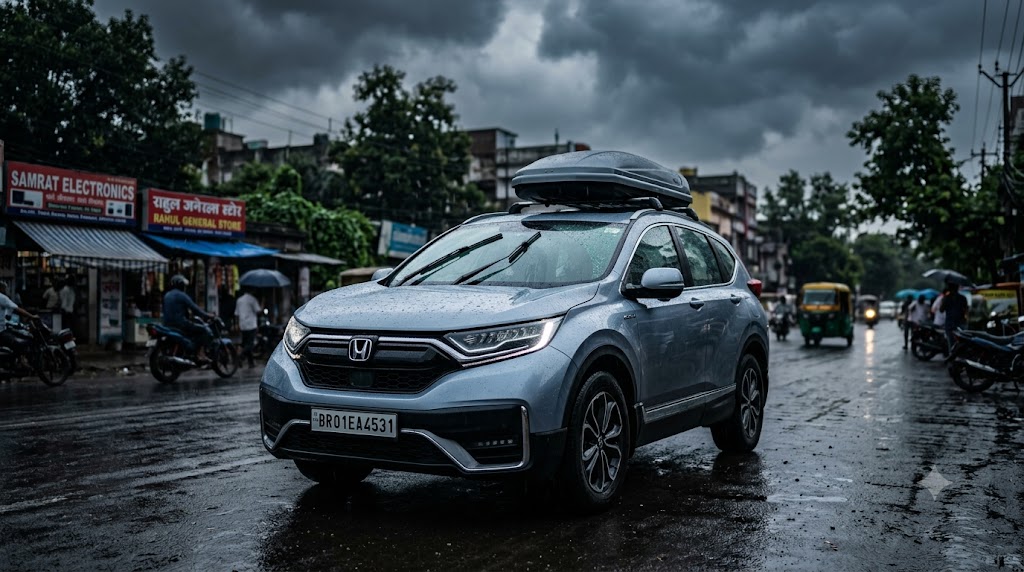
1. Check Tire Condition and Tread Depth
If there’s one item on this list you shouldn’t ignore, it’s your tires.
During monsoon season, your tires are responsible for maintaining grip on wet roads and helping your braking system perform effectively.
Why Tire Tread Is Critical in Rain
Tire tread channels water away from the contact patch where the tire meets the road.
When the tread becomes too shallow, water cannot escape quickly enough. This increases the risk of hydroplaning, where the tire effectively rides on top of water instead of gripping the road surface.
When hydroplaning occurs, drivers can experience:
- Loss of steering control
- Longer stopping distances
- Reduced cornering stability
- Increased risk of skidding
How to Use a Coin to Check Tyre Tread for Rain
You don’t need specialized tools for a basic inspection.
Insert a coin into several tread grooves around the tire. If a large portion of the coin remains visible, the tread may be too worn for safe monsoon driving.
For the most accurate assessment, use a tread depth gauge or have the tires checked during routine servicing.
Signs Your Tires Need Attention
Look for:
- Uneven tread wear
- Sidewall cracks
- Bulges or bubbles
- Frequent air pressure loss
- Visible wear indicators
A Common Mistake
Many drivers focus only on the front tires. In reality, rear tires play a major role in vehicle stability during emergency maneuvers and sudden braking on wet roads.
2. Inspect Your Brakes Before Rainy Roads Test Them
Your braking system works harder during the monsoon than at almost any other time of year.
Wet roads naturally increase stopping distances, which means your brakes must be in top condition.
Car Brakes Squeaking in Rain: How to Fix It?
It’s common to hear a brief squeaking noise after a car has been parked overnight in damp conditions.
This usually happens because a thin layer of surface rust forms on the brake rotors. The sound often disappears after a few brake applications.
However, persistent squealing can indicate:
- Worn brake pads
- Glazed brake surfaces
- Rotor wear
- Dirt or debris between components
What Should Be Inspected?
Ask a technician to check:
- Brake pads
- Rotors or discs
- Brake fluid condition
- Brake lines
- ABS warning lights
Real-World Scenario
Imagine driving on a highway during a sudden downpour. Traffic slows unexpectedly, and you need to brake hard.
A braking system that felt “good enough” during dry weather may suddenly reveal weaknesses. That’s why brake inspections before the rainy season are so valuable.
Quick Tip
If your brake pedal feels soft, spongy, or requires extra pressure, don’t wait for the monsoon to arrive before getting it checked.
3. Clean Sunroof Drains and Check Weather Seals
Many modern vehicles have sunroofs, yet drain maintenance is often overlooked.
Ironically, the first sign of a problem usually appears after a heavy rainstorm.
How to Clean Clogged Sunroof Drains Before Monsoon
Sunroofs are designed with drainage channels that direct rainwater safely outside the vehicle.
Over time, these channels collect:
- Dust
- Leaves
- Mud
- Pollen
- Small debris
When blocked, water may overflow into the cabin.
Step-by-Step Cleaning Process
Step 1: Open the Sunroof
Inspect the drain openings located near the corners.
Step 2: Remove Loose Debris
Use a microfiber cloth or soft brush.
Step 3: Test Water Flow
Pour a small amount of clean water into the drain channel.
Step 4: Check the Drain Exit
Water should flow out beneath the vehicle.
Step 5: Clear Stubborn Blockages
Compressed air can help, but use it gently to avoid damaging drain tubes.
Warning Signs of a Blocked Drain
- Wet floor mats
- Damp carpets
- Water stains on the headliner
- Musty odors inside the cabin
Expert Insight
Many modern vehicles contain wiring harnesses and electronic modules beneath the carpet. A simple drain blockage can eventually lead to electrical issues that are far more expensive than routine maintenance.
4. Eliminate Musty AC Smells Before Humidity Takes Over
A musty-smelling air conditioner can make every rainy-day commute unpleasant.
Monsoon humidity often amplifies existing moisture problems inside the HVAC system.
Car Air Conditioner Musty Smell: Monsoon Fix
A stale or moldy odor usually develops because moisture remains trapped inside the air-conditioning system.
Common causes include:
- Dirty cabin air filters
- Mold growth
- Moisture buildup on the evaporator
- Poor ventilation habits
How to Fix It
Replace the Cabin Air Filter
A clogged filter restricts airflow and can trap moisture and contaminants.
Clean AC Vents
Use a suitable AC cleaning product or have the system professionally cleaned.
Use Fresh-Air Mode Occasionally
Constant recirculation can encourage moisture buildup.
Dry the System Before Parking
A simple trick many technicians recommend is switching off the AC compressor while keeping the blower running for a few minutes before reaching your destination.
This helps dry residual moisture inside the system.
Practical Example
Many drivers assume bad smells mean the AC gas is low. In reality, replacing a dirty cabin filter often solves the problem at a fraction of the cost.
5. Protect the Undercarriage from Rust and Corrosion
The underside of your vehicle faces constant exposure to water, mud, road salt, and debris.
Unfortunately, it’s also one of the most neglected areas during routine maintenance.
Best Underbody Anti Rust Coating for Cars Before Rain
An underbody anti-rust coating can provide additional protection against corrosion, especially if you regularly drive through flooded roads or live in a region with heavy rainfall.
Benefits of Underbody Protection
- Slows corrosion
- Protects metal components
- Extends vehicle lifespan
- Helps maintain resale value
- Reduces long-term repair costs
Additional Monsoon Protection Tips
- Wash the underbody regularly.
- Remove accumulated mud after heavy rain.
- Inspect wheel wells periodically.
- Address rust spots before they spread.
From Experience
Vehicles that frequently travel through waterlogged streets often begin developing rust in hidden areas years before owners notice visible damage. Early prevention is usually far cheaper than structural repairs later.
What to Do If Your Car Engine Stalls in Deep Water
One of the most stressful monsoon situations is driving through a flooded road and suddenly losing engine power.
Why Engines Stall in Flooded Areas
Water can enter:
- The air intake system
- Electrical connections
- Sensors
- Engine components
What to Do If Your Car Engine Cuts Out in a Deep Puddle
If the engine stops:
✅ Turn on hazard lights.
✅ Move to safety if possible.
✅ Contact roadside assistance.
✅ Have the vehicle inspected before restarting.
What Not to Do
❌ Don’t repeatedly crank the engine.
❌ Don’t attempt to drive further.
❌ Don’t ignore warning indicators.
Why Restarting Can Be Risky
If water enters the engine cylinders, restarting may cause hydrolock, a condition that can bend internal engine components and lead to extremely expensive repairs.
Monsoon Maintenance Checklist for Electric Vehicles (EVs)
Electric vehicles are designed to handle rain, but they still benefit from seasonal inspections.
Monsoon Maintenance Checklist for Electric Vehicles (EVs)
Before the rainy season:
- Inspect charging port covers and seals.
- Check door and window weather stripping.
- Ensure charging cables are undamaged.
- Verify tire condition and pressure.
- Monitor dashboard warning lights.
- Keep charging equipment dry and clean.
Are EVs Safe in Rain?
Yes. Modern EVs undergo extensive testing for wet-weather operation.
However, owners should still avoid driving through deep floodwater, just as they would with conventional vehicles.
Frequently Asked Questions
How often should I inspect my car during monsoon season?
A quick inspection every two to four weeks is usually sufficient. If you frequently drive through flooded roads, check your vehicle more often.
Is brake squeaking during rain normal?
Brief squeaking after rain or overnight parking is usually harmless. Persistent or loud noises should be inspected by a professional.
Can I clean sunroof drains myself?
Yes. Basic cleaning is straightforward and can prevent water leaks. Severe blockages may require professional assistance.
Is underbody anti-rust coating worth it?
For drivers in areas with heavy rainfall, flooding, or coastal conditions, underbody protection can be a worthwhile long-term investment.
Should EV owners take special precautions during monsoon?
Yes. Pay close attention to charging equipment, seals, tires, and manufacturer recommendations for wet-weather operation.
Final Takeaway
Monsoon driving is challenging enough without unexpected mechanical problems.
Before the rainy season begins, focus on five key areas:
- Tires and tread depth
- Brake performance
- Sunroof drains and seals
- Air-conditioning system
- Underbody rust protection
These checks don’t take much time, but they can significantly improve safety, comfort, and reliability.
The best monsoon maintenance strategy isn’t fixing problems after they appear—it’s preventing them from happening in the first place. A few hours spent preparing your vehicle today can save days of inconvenience and substantial repair costs later in the season.
Read about 7 Signs Your Car Battery Needs Replacement! – knowabteverything
The Best Budget Phones in 2026 That Will Still Feel Fast in 3 Years – knowabteverything
The Ultimate Pre-Monsoon Car Checklist: 5 Things You Must Check Before the Rain – knowabteverything
The 100k-Mile Club: The Ultimate Checklist for Cars Hitting Six Figures – knowabteverything
Gear & Maintenance – knowabteverything

About Amish
Hi, I’m Amish, and developer.
I write practical React Native, Node.js, MongoDB, and Supabase tutorials based on real projects and testing.
[…] The Ultimate Pre-Monsoon Car Checklist: 5 Things You Must Check Before the Rain – knowabtevery… […]