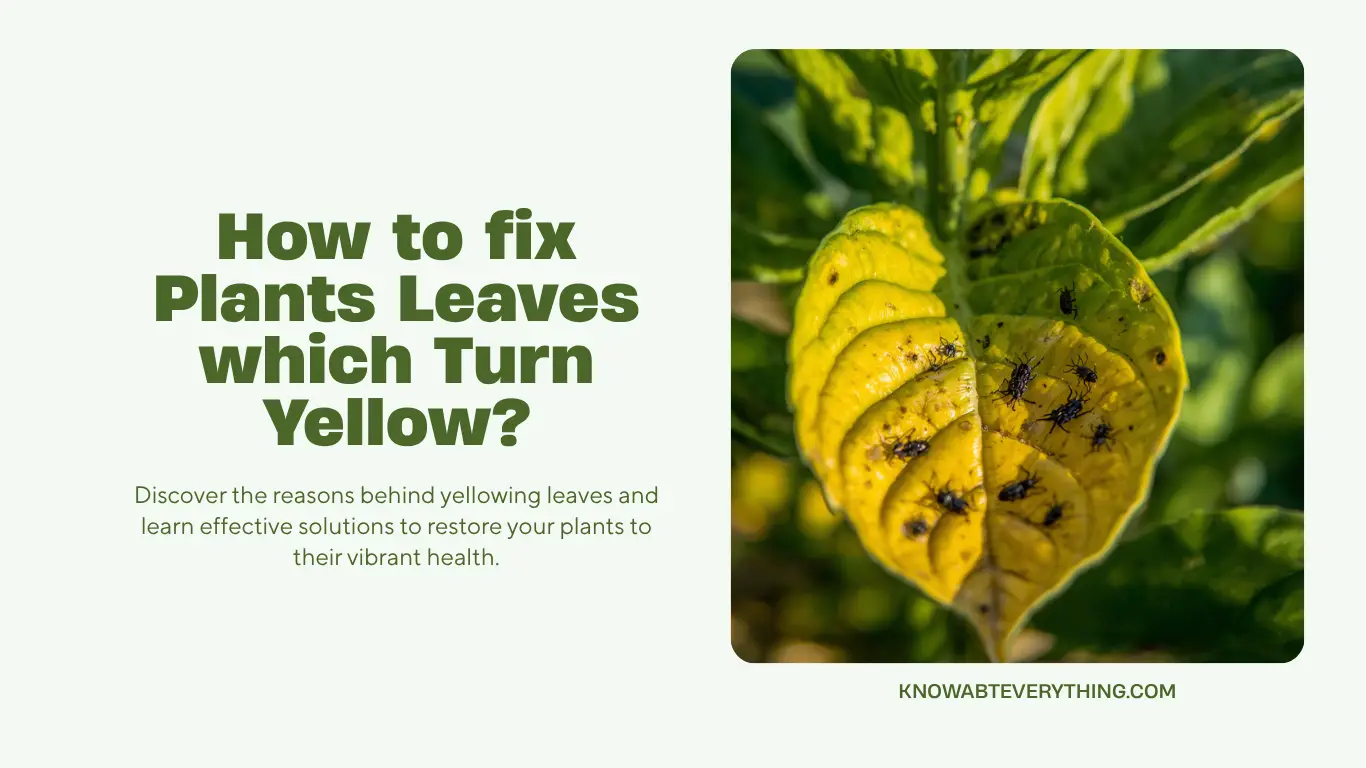
How to fix Plants Leaves which Turn Yellow?
Plant leaves turn yellow (a condition called chlorosis) when chlorophyll production drops. The most common causes are overwatering, underwatering, light stress, pest infestations, and mobile or immobile nutrient deficiencies (such as Nitrogen or Iron). To fix it, check if the yellowing starts on new or old foliage and adjust your watering or soil nutrients accordingly.
Few things trigger plant-parent anxiety quite like finding a once-vibrant green leaf fading into a sickly shade of yellow. Known in botany as chlorosis, this loss of green pigment occurs when a plant’s chlorophyll production breaks down.
Because chlorophyll is the solar engine plants use to convert light into energy, yellowing leaves mean your plant’s metabolic engine is misfiring. However, chlorosis is rarely a single disease; it is a visual distress signal with several potential causes.
The Quick 30-Second Diagnostic Checklist
Before pouring gallons of water or throwing fertilizers at your soil, perform this rapid physical check to isolate the issue immediately:
- Where is the yellowing located?
- Bottom / Older Leaves: Indicates a mobile nutrient deficiency (like Nitrogen) or natural leaf aging.
- Top / Newer Leaves: Points toward an immobile nutrient deficiency (like Iron) or intense light stress.
- Scattered Throughout: Suggests root rot, cold drafts, or a pest invasion.
- What does the leaf texture feel like?
- Soft, Mushy, or Drooping: Classic sign of overwatering and suffocating roots.
- Dry, Crispy, or Curling: Sign of severe underwatering, low ambient humidity, or excess heat.
- Are there distinct patterns on the leaf?
- Yellow body with bright green veins: Interveinal chlorosis (nutrient lockout or soil pH imbalance).
- Tiny yellow specks or fine mottling: Sap-sucking pests like spider mites or thrips.
- Blistered yellow-brown patches: Sunburn or chemical scorch from tap water minerals.
Pro Tip from a Horticulturist: Always diagnose before you treat. Adding fertilizer to an overwatered plant with rotting roots will burn the remaining healthy tissue and speed up its decline.
Leaf Chlorosis Symptom Matrix
Use this reference table to match your plant’s visual symptoms directly to their root cause and corrective action:
| Visual Symptom | Leaf Texture & Soil State | Primary Cause | Immediate Fix |
| Entire bottom leaf turns pale yellow | Soil is wet; leaf feels limp and soft | Overwatering / Root Hypoxia | Pause watering; ensure pot drainage holes are clear. |
| Yellow margins with crispy brown tips | Soil is bone dry; leaf feels papery | Underwatering / Low Relative Humidity | Deep soak (bottom water) and group plants to retain moisture. |
| Yellow leaf body with vivid green veins | Soil moisture is normal | Iron or Magnesium Deficiency | Check soil pH; apply chelated iron or an Epsom salt spray. |
| Fine yellow stippling or tiny spots | Dry leaves; subtle webbing under leaf | Spider Mites / Thrips | Wipe foliage with a damp cloth; spray with Neem oil. |
| Bleached yellow/white scorch patches | Dry foliage facing direct sunlight | Light Burn / Photo-oxidation | Move plant 2–3 feet back from direct rays. |
| Random yellowing after moving location | Normal soil moisture | Environmental Shock / Cold Drafts | Keep ambient temperature stable (65–75°F / 18–24°C). |
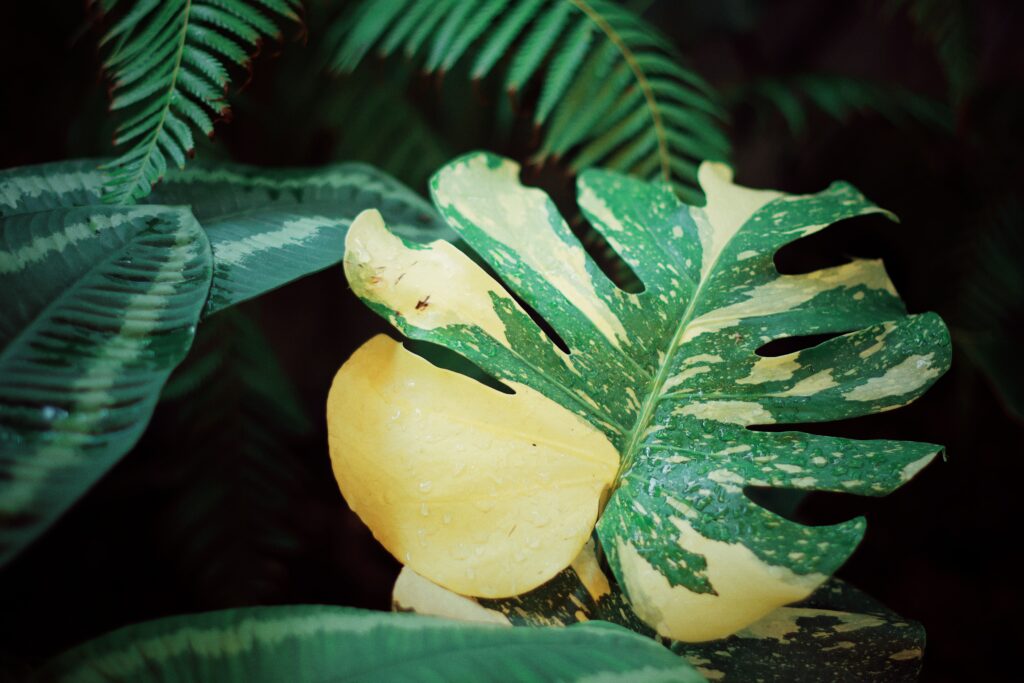
In the Monstera above, notice how the yellowing is concentrated on an older, lower leaf while the rest of the plant remains deep green—a classic sign of early root stress or mobile nutrient re-allocation.
Mobile vs. Immobile Nutrient Deficiencies: Where Is the Yellowing?
Standard care guides often recommend “adding fertilizer” without explaining where the yellowing occurs. In plant physiology, minerals are classified as either mobile or immobile.
- Mobile Nutrients (Bottom Leaves Yellow First): Plants can move elements like Nitrogen ($N$), Potassium ($K$), and Magnesium ($Mg$) internally. When soil levels drop, the plant strips these minerals from older, lower leaves to feed vulnerable new growth.
- Immobile Nutrients (Top Leaves Yellow First): Minerals like Iron ($Fe$), Calcium ($Ca$), and Sulfur ($S$) become permanently locked into leaf tissue once absorbed. If the roots cannot pull fresh supplies from the soil, newly emerging leaves form without chlorophyll and appear yellow or white right out of the node.
Water Stress: Overwatering vs. Underwatering
Watering issues account for roughly 80% of houseplant problems. Because both overwatering and underwatering cause foliage to turn yellow, growers frequently misdiagnose the problem and worsen the damage.
                 +--------------------------------------+
                 |    Is the leaf turning yellow?       |
                 +------------------+-------------------+
                                    |
            +-----------------------+-----------------------+
            |                                               |
  [ LEAF IS SOFT & LIMPY ]                        [ LEAF IS DRY & CRISPY ]
            |                                               |
   Soil wet / heavy smell                         Soil bone dry / retracted
            |                                               |
   => OVERWATERING / ROT                           => UNDERWATERING
Signs of Overwatering & Root Hypoxia
When soil stays saturated, water fills all the microscopic air pockets surrounding root systems. Starved of oxygen (root hypoxia), roots cannot perform cellular respiration, begin to rot, and lose their ability to absorb water.
- The Paradox: An overwatered plant wilts and turns yellow because its drowned roots can no longer transport water up to the foliage.
- Key Symptoms: Leaves turn soft, limp, and yellow; soil emits a sour odor; stems feel squishy near the soil line.
Signs of Underwatering & Drought Stress
When soil moisture drops below the threshold needed for root absorption, the plant breaks down internal chlorophyll to conserve water and sheds leaves to reduce surface area.
- Key Symptoms: Yellow leaves are thin, dry, and papery; leaf edges curl inward; soil pulls away from the inside edges of the pot.
The Hidden Impact of Tap Water
If your watering routine is consistent but leaf tips continuously turn yellow and brown, your tap water may be the culprit. Municipal water often contains dissolved minerals, chlorine, chloramines, and fluoride. Sensitive plants—such as Calatheas, Peace Lilies, and Spider Plants—cannot process heavy mineral loads. These salts build up in leaf tips, destroying cells and creating a yellow halo around brown, dry margins.
A Step-by-Step Root Rot Emergency Surgery Recovery Protocol
If overwatering goes unaddressed, opportunistic soil fungi (Pythium and Phytophthora) invade damaged root tissues. If your plant has multiple limp yellow leaves and soggy soil, perform this recovery protocol immediately:
1.Unpot and Inspect the Root System: shake or rinse away old soil under lukewarm water to expose the entire root architecture.
2.Prune Away Diseased Tissue:
Examine the roots closely. Healthy roots are firm, flexible, and white or light tan. Rotted roots are brown or black, mushy, and slide apart like wet string when touched.
Using shears disinfected with 70% isopropyl alcohol, cut away all soft, black, or decaying roots back to healthy tissue.
3.Sanitize with Hydrogen Peroxide:
Submerge the remaining healthy root system in a diluted bath of 3% household Hydrogen Peroxide ($H_2O_2$) mixed with water (1 part $H_2O_2$ to 4 parts water) for 5 minutes. This kills lingering fungal spores and oxygenates damaged tissue.
4.Repot into Fresh, Well-Draining Mix:
Discard the old, infected soil entirely. Clean the pot with warm soap, or select a terracotta container with ample drainage holes. Repot using an airy potting mix.
Common Houseplant Species Quick Diagnostics
Different plant species display water and nutrient stress in distinct ways. Here is how to diagnose popular houseplants:
- Monstera & Pothos (Aroids): Large bottom leaves turn solid yellow, or dark brown spots form with yellow halos. This usually points to overwatering or a severely root-bound plant where water pools at the bottom of the pot.
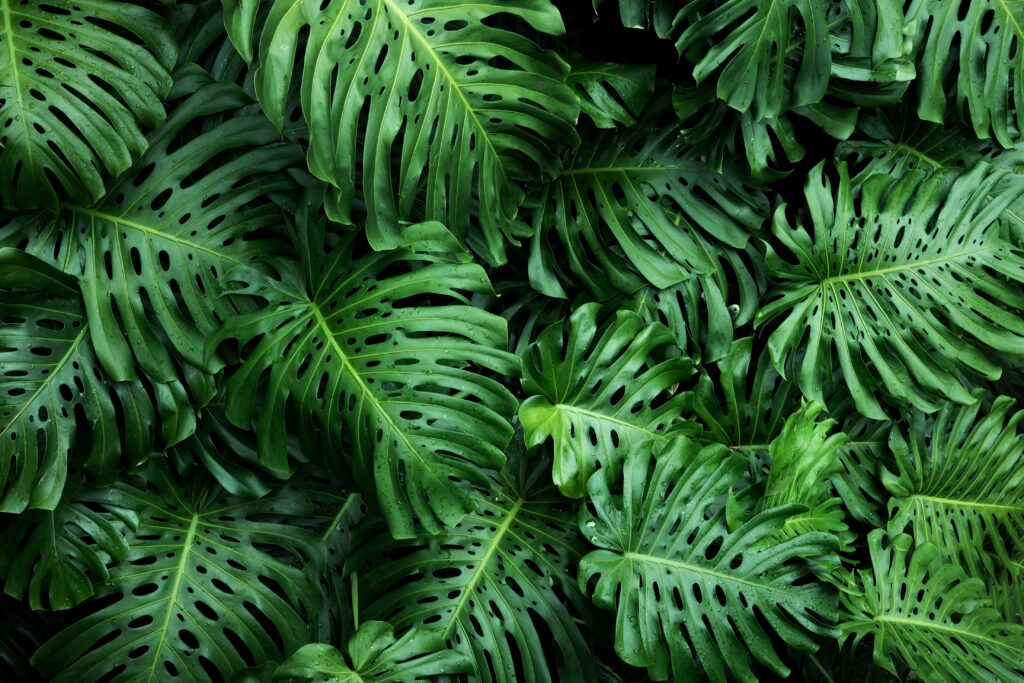
- Peace Lily (Spathiphyllum) & Calathea: Yellowing edges with brown, crispy margins across all foliage indicate low relative humidity paired with tap water chemical sensitivity. Switch to distilled water and mist or humidify the room.

- Fiddle-Leaf Fig (Ficus lyrata): New leaves drop while turning yellow, accompanied by dark reddish-brown spots near leaf bases. This stems from environmental shock, cold drafts, or frequent changes in pot location.
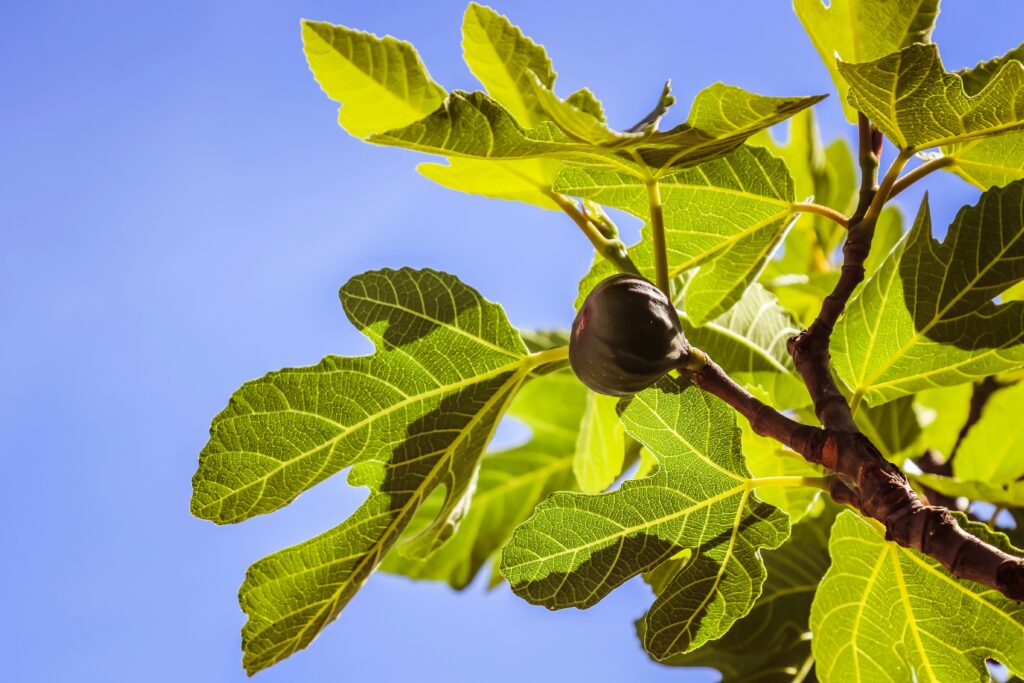
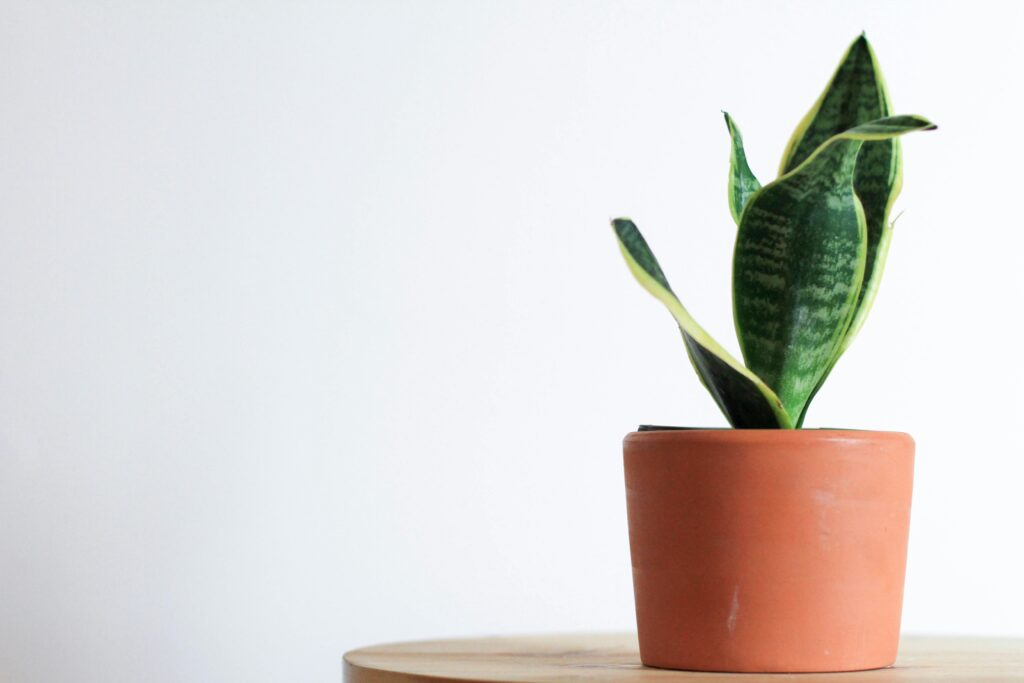
- Snake Plants (Sansevieria) & Succulents: Leaves turn pale yellow, translucent, and mushy from the base upward. This is caused by severe overwatering; succulent cell walls rupture from internal pressure (edema), turning foliage yellow and jelly-like.
Will a Yellow Leaf Ever Turn Green Again?
The short answer is no. Once a leaf loses its chlorophyll and turns fully yellow, the cellular structures responsible for photosynthesis break down in an irreversible process called senescence. The plant has effectively severed its energy investment in that leaf.
Continuing to leave dead or yellowing foliage attached forces the plant to spend water and energy maintaining damaged tissue.
How to Safely Prune Yellow Leaves
- Wait until the leaf is at least 50% yellowed or brown.
- Sterilize your bypass pruners with rubbing alcohol.
- Cut the leaf stem (petiole) cleanly near the main stem, leaving a tiny 1/4-inch stub. Avoid pulling or snapping leaves off by hand, which tears outer stem bark and leaves open pathways for disease.
Frequently Asked Questions
Should I cut off yellow leaves immediately?
If the leaf is more than 50% yellowed, yes. Pruning damaged leaves allows the plant to redirect vital nutrients and carbohydrates toward producing healthy new foliage.
Why are my plant leaves turning yellow after repotting?
This is caused by transplant shock. During repotting, microscopic root hairs responsible for absorbing moisture can break. Until these roots recover, the plant sheds leaves to reduce water loss. Keep shock-stressed plants in bright, indirect light, avoid direct sun, and do not apply fertilizer until active growth resumes.
How does soil pH cause leaf yellowing?
Soil pH dictates whether nutrients can dissolve in water to be absorbed by roots. If soil pH drifts outside the optimal range (typically 6.0–7.0 for most tropical houseplants), minerals like Iron bind tightly to soil particles. This causes nutrient lockout, where leaves turn yellow from mineral starvation even if fertilizer is present in the soil.
Read about How to take care of Indoor Plants? – knowabteverything
When to Water your Plants in Day or Night? – knowabteverything
Which are the Best Organic Fertilizers for Indoor Plants? – knowabteverything
3 Comments