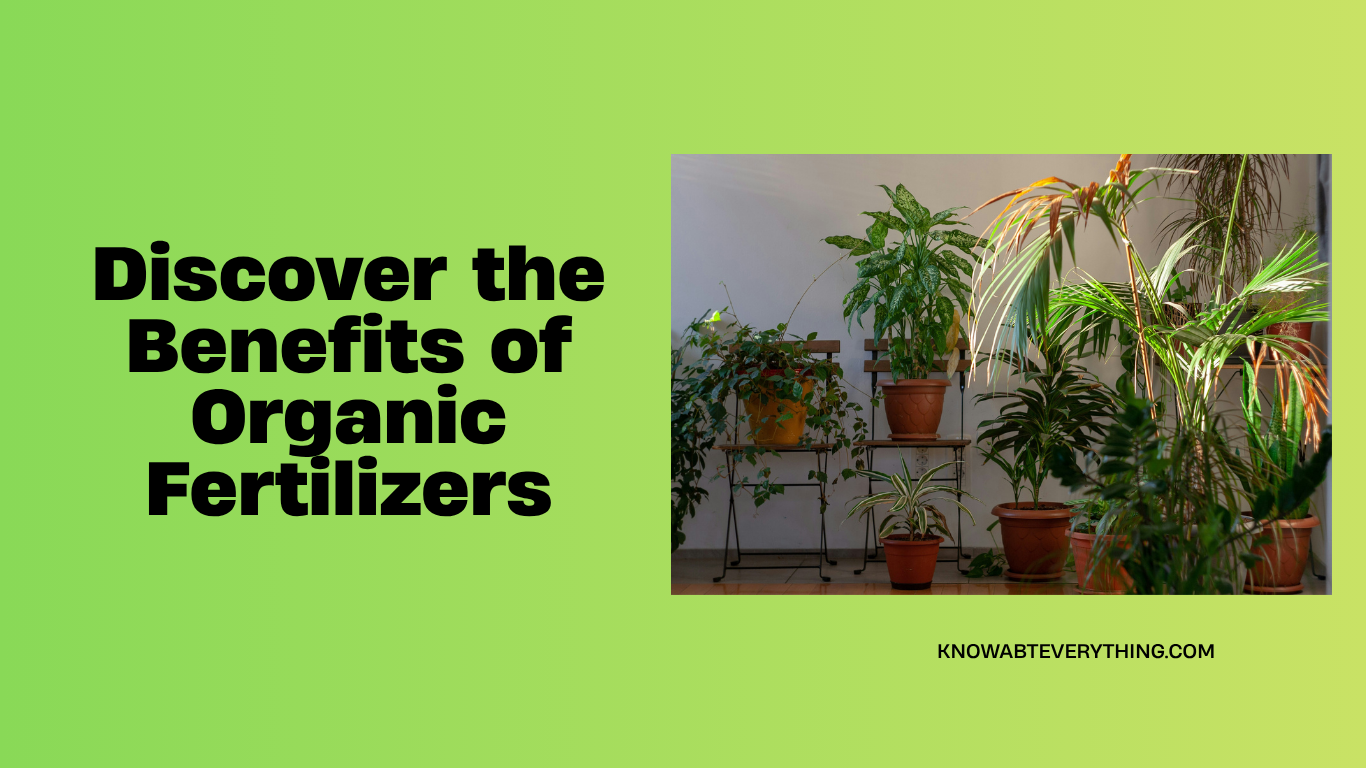
Which are the Best Organic Fertilizers for Indoor Plants?
Which are the Best Organic Fertilizers for Indoor Plants? Bringing nature indoors with vibrant houseplants is immensely satisfying but keeping them thriving over time requires steady nutrition. As potting soil ages, its initial nutrient supply drains away with every watering cycle. While synthetic chemical fertilizers offer a quick fix, they often leave behind harsh mineral salts that can burn delicate indoor root systems.
Organic fertilizers offer a gentler, more sustainable alternative—building healthy soil life while feeding your plants. However, transitioning to organic feeding indoors presents unique challenges: unsterilized composts can invite fungus gnats, fish-based liquids can make your living space smell like a harbor, and kitchen hacks can leave potted soil moldy.
This guide covers everything you need to know about choosing, applying, and mastering organic fertilizers for houseplants—delivering optimal growth without unwanted odors or pests.
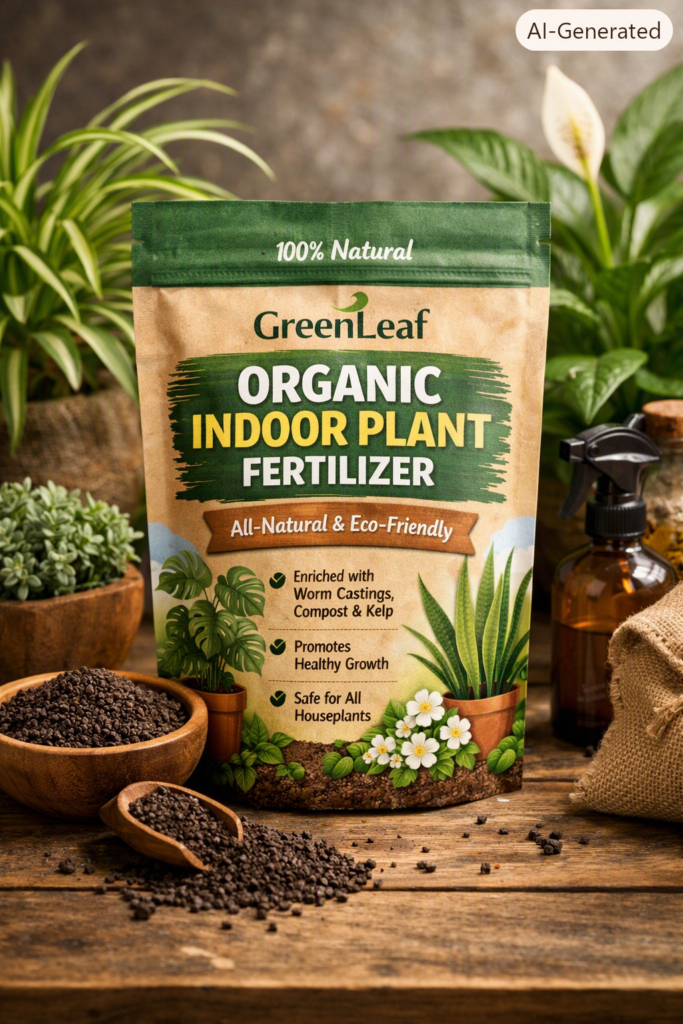
Top Organic Indoor Fertilizers
What is the best organic fertilizer for indoor plants?
The best overall organic fertilizer for indoor plants is worm castings (vermicompost) for slow-release feeding and soil conditioning, paired with liquid kelp (seaweed extract) for quick-absorbing micronutrients and root development. Both options are virtually odorless and pose a very low risk of attracting indoor pests.
Table 1: Quick Comparison Matrix
| Product / Type | Best For | Bioavailability | Odor Level | Pest Risk |
| Worm Castings | Soil conditioning & Aroids | Slow-release | Zero | Very Low |
| Liquid Seaweed / Kelp | Foliage growth & stress recovery | Fast | Low / Earthy | Very Low |
| Bio-Organic Liquids (Plant-Based) | Regular feeding routine | Medium-Fast | Low | Low |
| Fish Emulsion | Heavy feeders (Monstera, Ficus) | Fast | High / Pungent | Medium-High |
Organic vs. Synthetic Fertilizer
To feed houseplants effectively using organic methods, it helps to understand how container environments differ from garden beds.
How Organic Fertilizers Work in Potting Mix
Outdoor soil relies on a complex web of earthworms, beneficial fungi, and bacteria to break down raw organic matter (like leaf litter and manure) into elemental ions—such as nitrate ($NO_3^-$) and phosphate ($H_2PO_4^-$)—which plant roots can absorb.
Standard indoor potting mixes, by contrast, are largely sterile blends of peat moss, coconut coir, perlite, and pine bark. They lack robust outdoor microbial populations.
When you apply raw organic fertilizers indoors, they require microbial activity to become bioavailable. Without active microbes, organic inputs simply sit in the pot. Furthermore, organic product labels often list lower N-P-K ratios (such as 2-3-1) compared to synthetic options (like 10-10-10). These lower numbers do not mean the product is weak; rather, they reflect naturally occurring, slow-release nutrient densities that nourish plants continuously without shocking their roots.
       [ Raw Organic Input ] (Worm castings, Kelp, Bone Meal)
                 │
                 ▼
     [ Soil Microorganisms ] (Requires active microbes & warmth)
                 │
                 ▼
  [ Bioavailable Inorganic Ions ] (Nitrates, Phosphates, Potassium)
                 │
                 ▼
          [ Plant Roots ]
Why Synthetic Salts Damage Container Plants Over Time
Synthetic fertilizers supply nutrients in immediate, mineral-salt forms. While this produces rapid foliage flushes, these unused mineral salts cannot wash away into deeper earth layers in a closed container.
Over time, synthetic salts accumulate inside the pot, appearing as a crusty white crust on the soil surface or terracotta edges. This salt buildup increases osmotic pressure around the root zone, drawing moisture out of the plant, crisping leaf tips, and burning sensitive root hairs. Organic fertilizers eliminate this risk by releasing nutrients gradually as the plant needs them.
Top 5 Best Commercial Organic Fertilizers for Houseplants
The following five commercial organic options deliver reliable nutrients indoors without creating messy or unsanitary conditions.
1. Worm Castings (Best Overall Slow-Release)
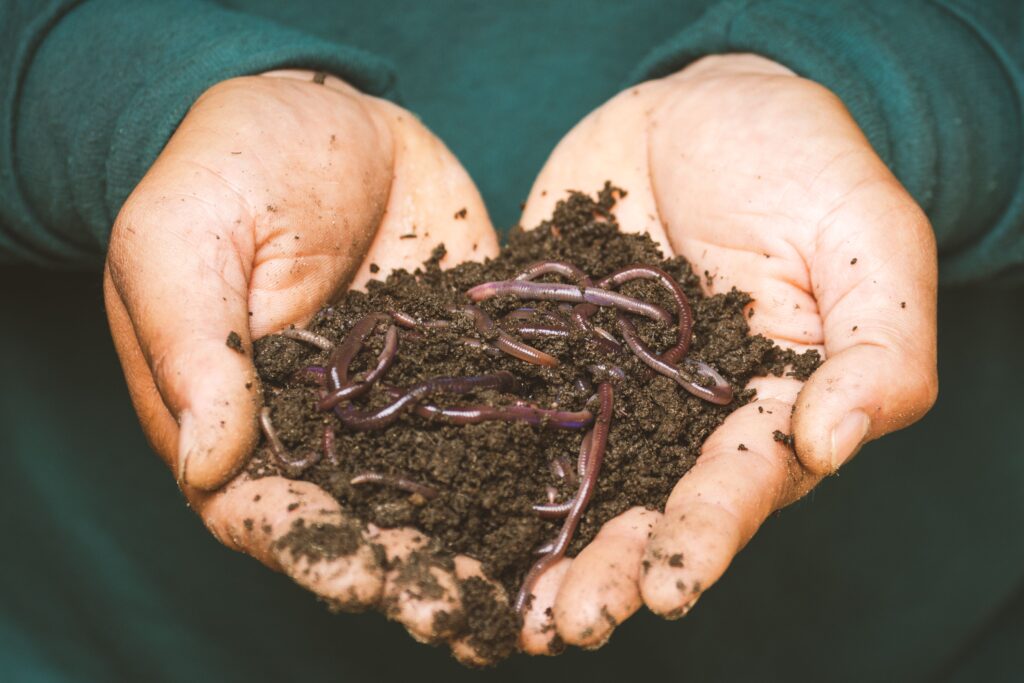
Worm castings (vermicompost) represent the gold standard for indoor soil conditioning. Produced as earthworms digest organic waste, this dark, odorless material is rich in humic acids, beneficial microbes, and trace minerals.
- Pros: Completely odorless, impossible to over-apply or burn roots, introduces beneficial microbes directly to potting mix.
- Cons: Bulky to store; slow-release nature means it won’t instantly revive a severely nutrient-deficient plant.
- Best For: Top-dressing all houseplants, mixing into fresh potting soil during repotting, and feeding Aroids (Monstera, Philodendron, Pothos).
- Application: Scratch a 1/2-inch layer into the top layer of pot soil every spring, or blend up to 20% by volume into your [custom chunky aroid soil mix].
2. Liquid Kelp / Seaweed Extract (Best for Micro-Nutrients & Roots)
Cold-processed liquid kelp is packed with naturally occurring growth hormones (auxins, cytokinins, and gibberellins), trace minerals, and potassium. Rather than driving rapid stem elongation, kelp encourages strong root expansion and thick, resilient leaf cell structures.
- Pros: Rapid absorption through roots and foliage; enhances stress tolerance against underwatering or temperature swings; extremely low odor.
- Cons: Low in primary nitrogen; must be paired with a nitrogen source for heavy foliage growth.
- Best For: Rooting cuttings, helping recently repotted plants recover, and routine micro-nutrient feeding.
- Application: Dilute 1 teaspoon per gallon of water and apply as a monthly soil drench or foliage spray during active growth.
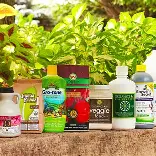
3. Plant-Based Liquid Bio-Fertilizers (Best Gentle All-Rounder)
Derived from fermented sugar beets, molasses, or grain byproducts, plant-based liquid fertilizers deliver clean, balanced NPK ratios without animal byproducts or strong odors.
- Pros: Clean, sweet, earthy scent; clean liquid formulation that mixes easily without clogging watering cans or self-watering wicks.
- Cons: Requires consistent application every 2–3 weeks due to its mild formulation.
- Best For: General maintenance across diverse indoor collections, including Ficus, Peperomia, and Calathea.
- Application: Mix into your watering can at half-strength every two weeks from early spring through late summer.
4. Fish & Seaweed Blends (Best High-Nitrogen Booster)
Blends combining hydrolyzed fish emulsion with liquid kelp offer an excellent balance of immediate nitrogen and trace minerals, driving rapid leaf production in large plants.
- Pros: Exceptional nitrogen source for heavy indoor growers; yields visible growth responses within days.
- Cons: Strong, lingering fish odor; can attract curious household pets or pests if used improperly indoors.
- Best For: Large, hungry tropical plants like Ficus lyrata (Fiddle Leaf Fig), Monstera deliciosa, and Strelitzia (Bird of Paradise).
- Application: Use strictly in well-ventilated rooms or outdoor balconies during warm months. Dilute thoroughly and apply only during peak summer growth.

5. Mycorrhizal Inoculants (Best Organic Soil Activator)
While not technically a standalone fertilizer, beneficial endomycorrhizal fungi (such as Glomus intraradices) are essential for organic indoor gardening. These microscopic fungi attach to plant roots, extending an invisible network of hyphae that digests organic fertilizers and delivers water and nutrients directly to root cells.
- Pros: Dramatically increases root surface area; unlocks the full potential of slow-release organic inputs like worm castings.
- Cons: Single-purpose product; must make direct contact with living roots to colonize effectively.
- Best For: New plantings, repotting, and long-term potted plants that haven’t been repotted in over a year.
- Application: Sprinkle powder directly onto the root ball during repotting, or dissolve in water and drench the root zone.
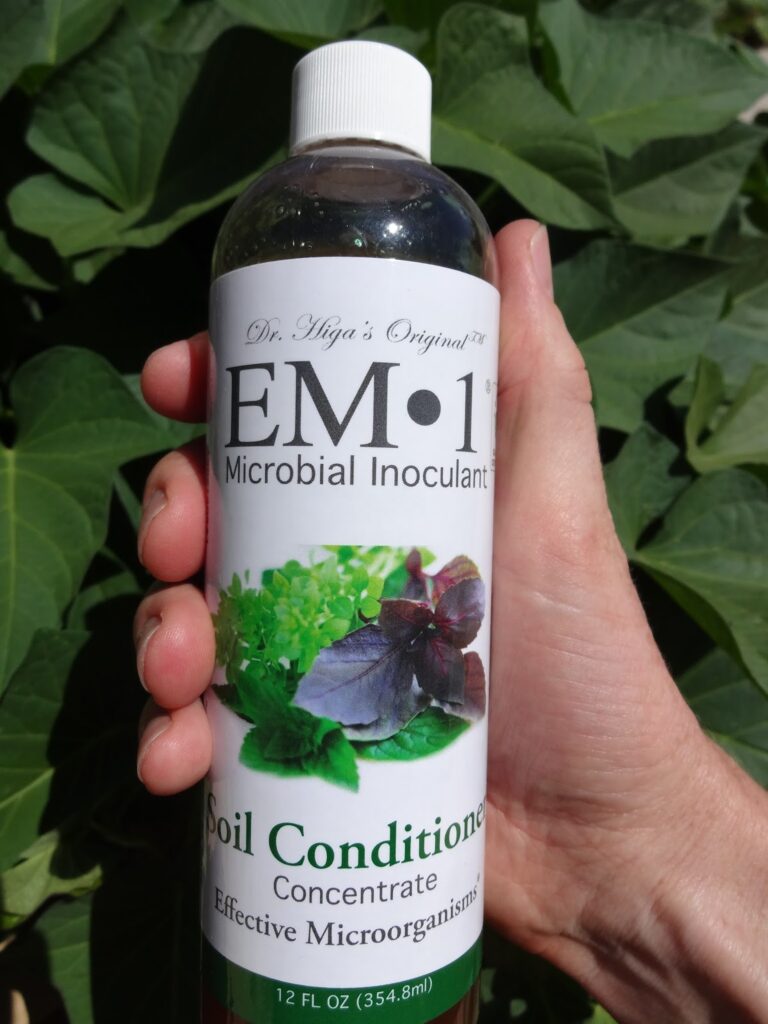
Note: All The Product images are only use only information Purpose I am not Promoting any types of products here.
The Truth About Viral DIY Organic Fertilizer Hacks
Social media platforms frequently promote kitchen-scrap hacks as cheap alternatives to commercial plant food. However, applying uncomposted food waste directly to indoor pots often does more harm than good.
       VIRAL HACK                       INDOOR REALITY
┌─────────────────────────┐       ┌─────────────────────────┐
│ Raw Coffee Grounds      │ ───►  │ Compacted Soil & Mold   │
├─────────────────────────┤       ├─────────────────────────┤
│ Banana Peel Water       │ ───►  │ Fungus Gnats & Sugar    │
├─────────────────────────┤       ├─────────────────────────┤
│ Raw Eggshell Powder     │ ───►  │ Unavailable Calcium     │
└─────────────────────────┘       └─────────────────────────┘
Myth 1: Dumping Raw Coffee Grounds into Houseplant Soil
- The Claim: Coffee grounds supply rich nitrogen and lower soil pH for acid-loving plants.
- Why It Fails Indoors: Raw, uncomposted coffee grounds consist of fine particles that settle into small air pockets within indoor potting soil. This compacts the substrate, smothers roots, and retains excess water, creating ideal conditions for root rot. Furthermore, damp coffee grounds quickly grow surface mold and trigger fungus gnat infestations long before their nitrogen breaks down into usable forms.
- The Correct Approach: Add used coffee grounds to an outdoor compost pile where earthworms and high temperatures can safely process them into finished compost.
2: Banana Peel Water (Potassium Tea)
- The Claim: Steeping banana peels in a jar of water creates a potassium-rich liquid fertilizer.
- Why It Fails Indoors: Soaking banana peels in stagnant water extracts mostly simple sugars, organic acids, and negligible amounts of usable potassium. When poured into indoor pots, these raw sugars ferment in the soil, feeding colonies of anaerobic bacteria and attracting fruit flies and fungus gnats.
- The Correct Approach: Use a commercially refined liquid kelp extract to deliver safe, clean, bioavailable potassium without sugar buildup.
3: Crushed Eggshells for Quick Calcium
- The Claim: Sprinkling crushed eggshells around houseplant stems provides calcium to prevent weak stems and leaf tip necrosis.
- Why It Fails Indoors: Eggshell calcium exists as calcium carbonate ($CaCO_3$), a highly insoluble compound. In outdoor garden soil, weather and soil acids take months to break down eggshells. In an indoor pot with a neutral or slightly acidic peat mix, eggshells sit virtually unchanged for years, offering zero calcium to your plants.
- The Correct Approach: To make eggshell calcium instantly bioavailable, dissolve washed, finely powdered eggshells in household food-grade vinegar (an acid-base reaction yielding liquid calcium acetate, $Ca(CH_3COO)_2$). Alternatively, top-dress with a small amount of agricultural gypsum ($CaSO_4$).
Plant-Specific Organic Feeding Guide
Different houseplant families have distinct metabolic rates and nutrient requirements. Use the reference table below to tailor your organic feeding schedule:
Table 2: Feeding Recommendations by Plant Family
| Plant Family | Key Examples | Recommended Organic Fertilizer | Frequency (Spring/Summer) |
| Aroids | Monstera, Pothos, Philodendron, Syngonium | Worm Castings + Diluted Liquid Kelp | Every 2-3 weeks |
| Succulents & Cacti | Jade, Echeveria, Snake Plant, Hoyas | Low-Nitrogen Organic Liquid or Bone Meal | Once every 4-6 weeks |
| Flowering Houseplants | Peace Lily, African Violets, Anthurium | High-Phosphorus Organic Liquid (Seaweed blend) | Every 2 weeks |
| Ferns & Fittonia | Boston Fern, Maidenhair, Nerve Plant | Ultra-diluted Seaweed Extract | Every 3-4 weeks |
How to Use Organic Fertilizer Indoors Without Pests or Smells
To keep your living spaces fresh and free of pests while feeding your houseplants organically, follow this application method:
Step 1: Pre-Moisten the Soil
Never apply liquid organic fertilizers to bone-dry potting mix. When soil is completely dry, liquid drains straight down hydrophobic channels and out the bottom without absorbing. Water your plants thoroughly with plain water 30 to 60 minutes before fertilizing so the root ball is evenly damp.
Step 2: Activate Soil Microbes
If you rely on slow-release organic fertilizers like worm castings or organic meal blends, ensure your potting mix contains active soil microbes. Add a handful of high-quality compost or apply a liquid humic acid and mycorrhizal inoculant drench every spring to keep microbial populations active.
Step 3: Use the Correct Application Method
- For Top-Dressing (Dry Castings/Granules): Gently work the organic material into the top half-inch of soil using a hand fork, taking care not to damage shallow feeder roots.
- To Prevent Fungus Gnats: Cover the freshly top-dressed organic material with a thin layer (1/4 to 1/2 inch) of clean coarse sand, fine pumice, or expanded clay pebbles. This creates a dry barrier that prevents female fungus gnats from reaching the moist organic matter to lay eggs. If you are already dealing with an active pest issue, refer to our step-by-step guide on [how to get rid of fungus gnats naturally].
- For Liquid Drenches: Dilute the concentrated organic liquid in room-temperature water according to product instructions (err on the side of half-strength dilutions). Pour the mixture slowly over the soil surface until liquid begins to trickle into the saucer.
┌─────────────────────────────────────────┐
│     Dry Top Barrier (Sand/Pumice)       │  ◄── 1/2" Prevents Gnat Egg-Laying
├─────────────────────────────────────────┤
│    Working Soil + Organic Granules      │  ◄── 1/2" Top-Dressed Layer
├─────────────────────────────────────────┤
│                                         │
│            Potting Substrate            │  ◄── Root Zone with Microbes
│                                         │
└─────────────────────────────────────────┘
Step 4: Soil Flushing Routine
Even with gentle organic inputs, insoluble matter and organic dust can accumulate in container pores over time. Every 3–4 months during the active growing season, take your plants to a sink or shower and flush the potting mix thoroughly with tepid running tap water for 60 seconds. Allow all excess water to drain completely before returning the plant to its saucer.
Seasonal Indoor Fertilizing Strategy
A plant’s demand for nutrients depends on environmental factors, particularly ambient light and temperature. Adjust your fertilizing routine across seasons using these guidelines:
Spring & Summer (Active Growth Phase)
As indoor light levels increase and daylight hours lengthen, plants enter their primary growth phase.
- Apply liquid organic fertilizers every 2 to 3 weeks.
- Top-dress pots with fresh worm castings in early spring to establish a slow-release nutrient base.
- Monitor foliage color: pale new growth usually indicates a need for more nitrogen, while dark green foliage with stunted growth suggests an excess.
Fall & Winter (Rest & Reduced Light)
During autumn and winter, indoor light levels drop significantly, slowing plant metabolism even in heated homes.
- Scale Back Feeding: Reduce liquid fertilizing to once every 6 to 8 weeks, or stop completely between November and February for plants in standard window light.
- Avoid Nitrogen Surges: Applying nitrogen during low-light winter months forces weak, leggy growth that easily falls victim to pests like spider mites and mealybugs.
How Grow Lights Change Your Schedule
Plants positioned under dedicated full-spectrum LED grow lights for 12–16 hours a day do not experience traditional winter dormancy. Because their light intake remains consistent year-round, their metabolic rate stays high. Continue feeding plants under grow lights on a regular year-round schedule, adjusting frequency based on observed growth rates.
Frequently Asked Questions
Can organic fertilizer cause fungus gnats?
Unrefined organic liquids, raw food wastes, or thick layers of moist manure sitting on the soil surface can attract fungus gnats. However, refined commercial seaweed extracts, plant-based bio-liquids, and clean worm castings rarely cause gnat problems when applied correctly. Covering top-dressed organic inputs with a dry layer of sand or pumice keeps gnats away entirely.
Is organic fertilizer safer for indoor pets?
Most organic fertilizers are significantly less toxic to cats and dogs than synthetic chemical concentrates. However, products containing bone meal, blood meal, or fish emulsion carry strong scents that may tempt pets to dig up pots or ingest soil. If you have curious pets, opt for odorless worm castings or plant-based liquid bio-fertilizers.
How often should I fertilize indoor plants with organic plant food?
During the active growing season (spring and summer), feed most houseplants every 2 to 4 weeks using diluted liquid organic fertilizer, or apply slow-release worm castings once every 2 to 3 months. In winter, reduce applications or pause them entirely unless plants are under grow lights.
Do I need to fertilize newly repotted plants?
No. Fresh, high-quality potting mix usually contains enough base nutrients to support a plant for 4 to 6 weeks. Read our complete guide on [when to repot houseplants] to learn how to prepare fresh soil substrates without shocking sensitive root systems.
Keeping Your Indoor Plants growing Organically
Feeding houseplants organically is about cultivating a healthy soil environment within your pots. By moving away from synthetic mineral salts and avoiding raw kitchen-scrap trends, you create a sustainable root environment where plants can thrive.
Stick to clean, reliable organic inputs—such as worm castings, liquid kelp, and plant-based liquids—matched to your plant collection’s specific light and seasonal needs. Combined with proper watering habits, this gentle approach ensures lush foliage and strong root systems without smells, mold, or pests.
Read about How to fix Plants Leaves which Turn Yellow? – knowabteverything
When to Water your Plants in Day or Night? – knowabteverything
How to take care of Indoor Plants? – knowabteverything
For organic fertilizer product visit Amazon.in : organic fertilizer

2 Comments