When to Water your Plants in Day or Night?
When to Water your Plants in Day or Night? In this Article we are going to discuss about when to watering your plants and how to be watering your plants, why plants need water, what happen to root when watering your plants, how to save plants from accessing water
How to Water Plants Correctly
To water plants correctly, ditch rigid calendar schedules and water based on soil dryness. Check moisture by inserting a finger or wooden skewer 2 inches into the soil. When dry, drench the soil thoroughly until water drains from the bottom holes. Always empty excess drainage water.
The Biology of Plant Hydration—How Roots Actually “Drink”
To master watering, you first need to throw away the idea that roots act like simple drinking straws. Plant hydration is driven by a physiological process called transpiration, which operates through a continuous column of water stretching from the deepest root tip up to the microscopic pores (stomata) under the leaves.
When sunlight and warmth hit a plant’s leaves, the stomata open to take in carbon dioxide for photosynthesis. As they open, water vapor escapes into the surrounding air. This loss creates negative pressure inside the plant’s vascular system (the xylem), pulling water upward through the stem.
Why Roots Need Oxygen Just as Much as Water
The biggest misconception in plant care is that roots only exist in liquid. In reality, root cells require oxygen to perform cellular respiration, which provides the energy needed to actively transport water and dissolved minerals into the plant.
When you water a plant:
- Liquid fills the tiny spaces between soil particles (micro-pores).
- As gravity pulls excess water out through the drainage hole, it creates a vacuum effect that draws fresh air into the larger spaces (macro-pores).
When soil remains continuously waterlogged, those oxygen-filled macro-pores remain drowned. Deprived of oxygen, root tissues suffocate, die, and begin to decay—setting the stage for lethal fungal pathogens.
Why Calendar Watering Schedules Fail (And What to Do Instead)
If you follow a strict calendar rule like “water every Sunday,” you are setting your plants up for failure. Plants are dynamic organisms, and their water intake shifts constantly based on environmental conditions:
- Light Intensity: Sunlight powers photosynthesis, which directly drives root water uptake. A Monstera deliciosa near a bright south-facing window can empty its soil in three days, while the same plant in a dim corner might take three weeks.
- Ambient Humidity & Temperature: Warm, dry indoor air accelerates evaporation from the soil and leaf transpiration.
- Potting Mix Composition: Dense, peat-heavy soils hold water for long periods, whereas chunky mixes containing perlite, orchid bark, and pumice drain rapidly.
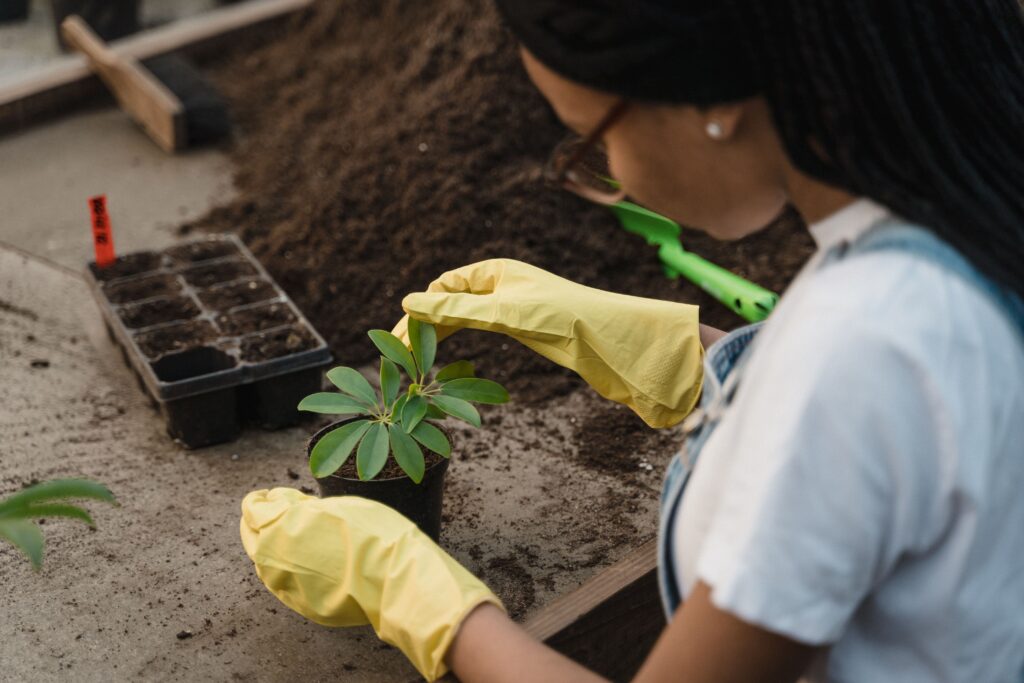
4 Sensory Tests That Eliminate Guesswork
Instead of reading a calendar, use your senses to test the soil before reaching for the watering can:
1. The Pot-Weight Lift Test (The Most Accurate Method)
Professional growers rarely stick their fingers in soil—they simply lift the pot.
- The Dry Baseline: Pick up your planter when the soil is completely bone-dry (for instance, right before repotting or when you know it desperately needs water). Notice how light it feels.
- The Wet Baseline: Water the plant until it is completely saturated and drained, then lift it again. Note the heavy, anchored weight.
By calibrating your muscle memory to the difference between these two extremes, you will eventually be able to walk down a shelf, tilt each pot slightly with one hand, and know instantly whether it requires water.
2. The Wooden Skewer / Chopstick Method
Borrowed from testing whether a cake is baked, this method provides a visual read on soil moisture deep near the root core:
1.Insert the Skewer: Gently slide an untreated wooden chopstick or bamboo skewer 2 to 4 inches into the soil matrix near the center of the pot.
2.Wait 10 Seconds: Leave the wood in the soil briefly to allow moisture to transfer into the wood fibers.
3.Inspect the Surface: Pull the skewer out and examine it:
• Clean and light-colored: Soil is dry to the bottom. Water thoroughly.
• Dark wood with clinging soil particles: Soil is still damp at the core. Hold off on watering. (Read our guide on [How to Choose the Best Well-Draining Soil Mixes for Houseplants].)
3. The Knuckle Depth Test
For large, non-liftable floor plants (like Fiddle Leaf Figs or Bird of Paradise), insert your index finger into the soil up to your second knuckle (roughly 2 inches deep).
- If it feels warm, crumbly, and dry: It is time to water.
- If it feels cool, dark, and spongy: The root system still has plenty of available moisture.
4. Digital Moisture Meters (And Why They Can Lie)
Promotional articles often recommend cheap two-prong soil moisture meters. However, these analog meters do not actually measure water content—they measure electrical conductivity.
Because salts from tap water and fertilizers conduct electricity, a soil high in fertilizer salts can register as “Wet” even when bone-dry. Conversely, soil mixed with distilled water might register as “Dry” when soaking wet. Use digital meters only as a secondary check alongside physical tests.
Section 4: Overwatering vs. Underwatering—The Complete Diagnostic Matrix
Because both overwatered and underwatered plants can display drooping stems and yellowing leaves, plant owners frequently make the fatal mistake of giving more water to a plant that is already dying of root rot.
Diagnostic Symptom Matrix
| Plant Feature | Overwatered Plant (Root Suffocation) | Underwatered Plant (Moisture Starvation) |
| Foliage Texture | Soft, limp, swollen, mushy yellow leaves | Crispy, paper-thin, dry brown edges & tips |
| Leaf Drop Pattern | Both old and new leaves drop while still soft | Lower/older leaves turn yellow, dry up, and drop first |
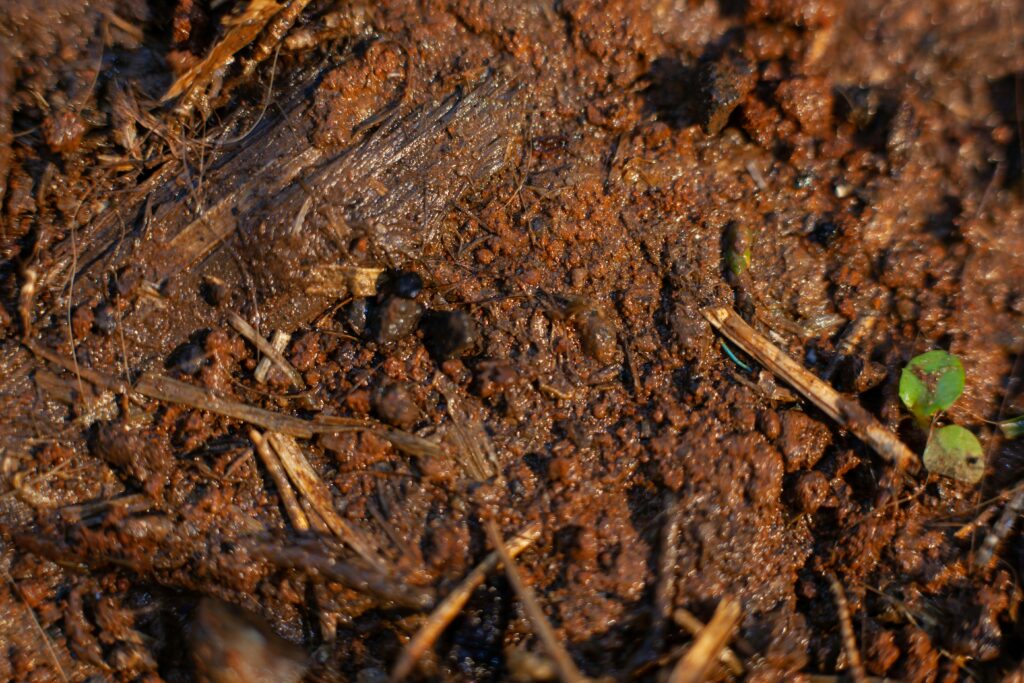
| Soil Texture | Damp, heavy, green algae or mold on top | Bone-dry, dusty, pulled away from inner pot walls |
| Soil Aroma | Sour, swampy, musty, or rotting odor | Odorless or clean, dry earthy scent |
| Stem Base at Soil Line | Soft, dark brown, easily crushed between fingers | Firm, shriveled, woody, or brittle |
| Root Color & Texture | Black, dark brown, slimy, slips off inner core | Pale white/tan, dry, hollow, snaps easily |
Section 5: Step-by-Step Emergency Protocol—Saving a Plant from Root Rot
If your sensory checks reveal soft stems and black, slimy roots in species like Pothos or Philodendrons, act quickly to rescue the plant before fungal pathogens enter the main stem.
1.Unpot & Wash: Remove the plant from its container. Gently shake off the waterlogged soil and rinse the remaining root ball under tepid running water so you can inspect the root architecture clearly.
2.Surgically Prune Rot: Sterilize a pair of shears with 70% rubbing alcohol. Cut away all dark, mushy, or foul-smelling roots back to healthy, firm white/tan tissue. Wipe the blades with alcohol between every cut.
3.Sanitize with Hydrogen Peroxide: Submerge or spray the remaining healthy root system with a mixture of 1 part 3% household hydrogen peroxide to 4 parts water. The chemical reaction breaks down anaerobic bacteria on contact while oxygenating the healthy root surfaces.
4.Repot in an Aerated Soil Blend: Select a clean pot with ample drainage holes. Repot using a fresh, airy substrate containing at least 30–40% perlite, coarse pumice, or orchid bark. Do not reuse the old, infected soil. (Learn more in our detailed tutorial on [How to Treat and Prevent Root Rot in Houseplants].)
5.Recovery Care: Place the plant in bright, indirect light. Do not fertilize for at least 4–6 weeks, as tender new root tips can be burned by fertilizer salts while recovering.
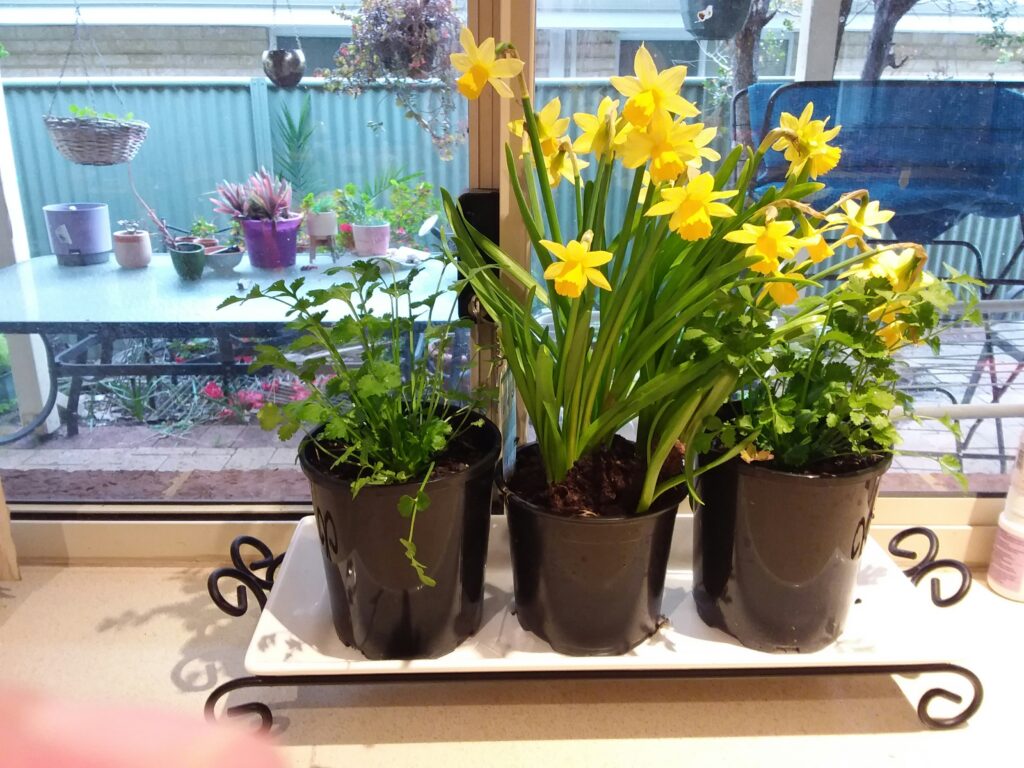
Overwatering vs. Underwatering: How to Tell the Difference
Overwatering and underwatering often look confusingly similar at first glance—both cause yellowing foliage and droopiness. However, their internal mechanics are opposites: underwatering starves the plant of moisture, while overwatering drowns the roots, causing root rot that stops them from absorbing water altogether.
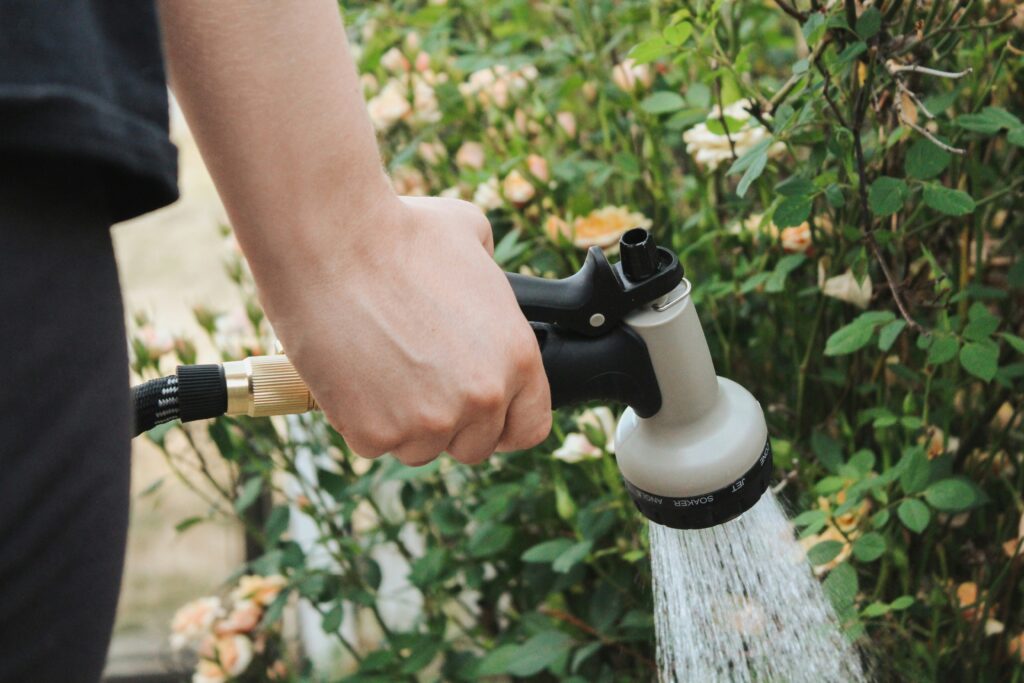
The Diagnostic Symptom Matrix
| Visual & Tactile Sign | Overwatered Plant | Underwatered Plant |
| Leaf Texture | Soft, limp, mushy yellow leaves | Crispy, paper-thin, dry brown tips |
| Soil Texture & Smell | Damp, heavy, musty or sour smell | Bone-dry, shrunken away from pot walls |
| Stem Base | Soft, dark brown, or blackening | Shriveled, brittle |
| Root Health | Dark brown/black, slimy (Root Rot) | Light brown, dry, snaps easily |
Emergency First Aid: How to Save an Overwatered Plant
If you catch root rot early, you can rescue species like Pothos or Philodendrons with this simple intervention:
1.Unpot and Inspect: Gently slide the plant out of its container and shake off the soggy, sour soil from the root ball.
2.Prune Rotting Roots: Use sterilized shears to snip away any black, mushy, or foul-smelling roots. Keep only firm, healthy roots.
3.Sanitize the Root System: Spray the remaining root mass with a 3% hydrogen peroxide solution to kill lingering anaerobic bacteria and fungal spores.
4.Repot in Fresh Mix: Replant in a clean pot with drainage holes using a fresh, airy potting mix. (Read our step-by-step tutorial on [How to Treat and Prevent Root Rot in Houseplants].)
Bottom Watering vs. Top Watering: When to Use Each Technique
The Case for Bottom Watering
Bottom watering involves placing a nursery pot inside a shallow basin filled with 1–2 inches of water, allowing capillary action to draw moisture up through the drainage holes.
- Prevents Topsoil Pests: Keeps the top inch of soil dry, disrupting the breeding ground for fungus gnats. (See our full guide on [How to Get Rid of Fungus Gnats Naturally].)
- Protects Sensitive Leaves: Prevents crown rot in bushy plants like African Violets, Begonias, or Cyclamen whose foliage rots when wet.
- Encourages Deep Roots: Roots naturally extend downward toward the moisture source.
Why Top Watering is Still Essential
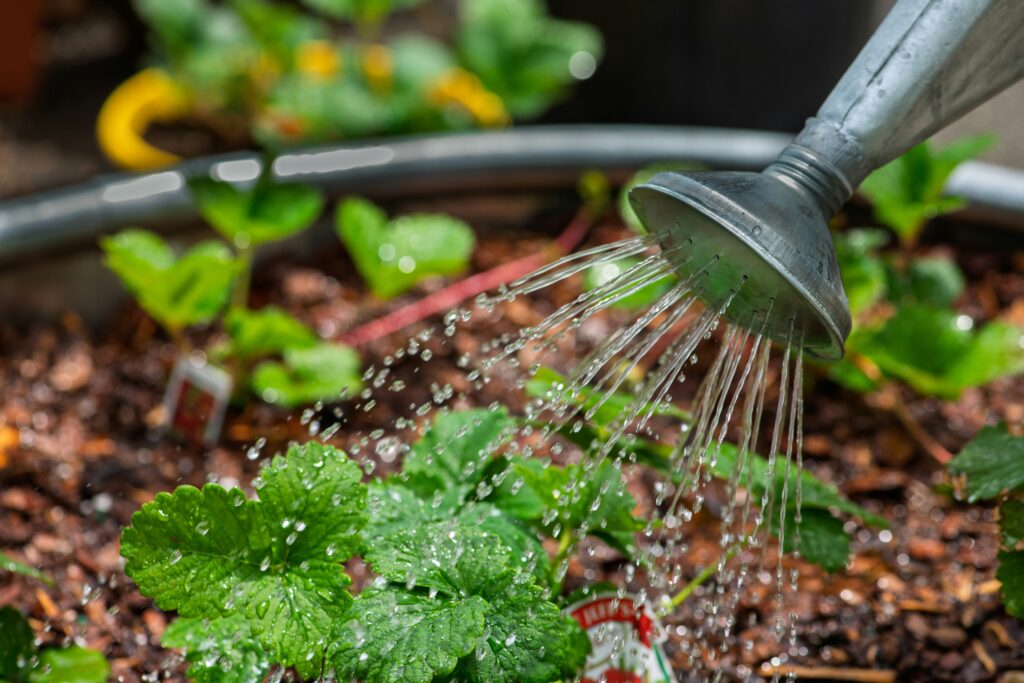
Top watering—pouring water directly over the soil surface until it runs out the drainage holes—remains critical. Over time, tap water minerals and synthetic fertilizers leave salts behind in the root zone. Top watering flushes these accumulated salts out of the soil.
Best Practice Rule: Bottom water as your routine method, but top-water thoroughly once every month to clear out excess mineral buildup.
How Pot Material and Size Impact Your Watering Routine
The material of your container directly dictates how long moisture remains in the soil:
- Terracotta (Porous Unglazed Clay): Clay walls absorb water and evaporate it outward. Soil dries out 30–50% faster, making terracotta ideal for succulents, cacti, and growers who tend to overwater. (Check out our complete review on [Terracotta vs. Plastic Pots for Houseplants].)
- Plastic & Glazed Ceramic: Non-porous materials lock moisture inside. Soil stays wet significantly longer, increasing the risk of root rot if lighting is low or drainage is poor.
- Fabric Grow Bags: Highly breathable walls allow “air-pruning” of roots while preventing waterlogging, though outdoor pots will require more frequent watering on hot or windy days.
Troubleshooting Hydrophobic Soil (When Soil Repels Water)
Have you ever watered a plant only to watch the liquid stream down the inner sides of the pot and out the bottom, leaving the center bone-dry? That is hydrophobic soil. When peat moss or coconut coir dries out completely, the organic matter contracts, hardens, and actively repels water.
How to Rehydrate Hydrophobic Soil
- Prepare a Soak Basin: Fill a sink, bucket, or tray with 2–3 inches of lukewarm water.
- Submerge the Pot: Place the pot into the basin so the water reaches halfway up the container.
- Soak for 30–45 Minutes: Let capillary action break the surface tension and soften the hardened soil core.
- Drain Completely: Remove the pot, set it on a draining rack, and let all excess water run out before returning it to its saucer.
Water Quality Matters: Tap Water vs. Rainwater vs. Distilled
If your plant’s leaf tips are turning crispy brown despite proper soil moisture, tap water chemistry may be the culprit.
- Chlorine & Chloramines: Municipal water additives can burn delicate roots in sensitive families like Calathea, Maranta (Prayer Plants), and Chlorophytum comosum (Spider Plants). While chlorine dissipates if left in an open pitcher for 24 hours, chloramines do not evaporate.
- Fluoride & Hard Minerals: Fluoride causes leaf-tip necrosis in many tropical plants. If you live in a hard-water region, use filtered water, collected rainwater, or distilled water for sensitive species.
Adjusting Your Watering Routine Across Seasons
- Spring & Summer (Active Growth): Plants produce new leaves and stems, requiring more frequent watering and light fertilizer additions.
- Autumn & Winter (Dormancy): Shorter daylight hours cause growth to slow or stall. Photosynthesis drops dramatically, meaning most houseplants need half as much water as they did in summer.
Always use room-temperature water during winter to avoid cold-shocking sensitive tropical roots.
Frequently Asked Questions
How much water should I pour when watering my plants?
Water thoroughly until liquid drains freely from the bottom drainage holes. Always empty the excess water from the catchment tray after 15–20 minutes so the plant doesn’t sit in standing water.
Is it better to water plants in the morning or at night?
Early morning is ideal. It allows plants to absorb moisture before daytime heat sets in, while ensuring any stray drops on leaves evaporate quickly during the day, preventing fungal foliage issues.
Should I mist my plant leaves instead of watering the soil?
No. Misting briefly increases humidity right around the foliage, but it does not hydrate the roots. Over-misting can also encourage leaf spot fungal infections. Focus on soaking the root zone instead.
Can I use ice cubes to water my indoor houseplants?
Ice cubes are not recommended for tropical plants. Freezing runoff can shock sensitive tropical roots, leading to root tissue damage and leaf drop. Stick with room-temperature water.
Read about The Ultimate Indoor Plant Care Guide: Master Light Water & Soil – knowabteverything
Introduction to Plants | Basic Biology
When to Water your Plants in Day or Night? – knowabteverything
How to fix Plants Leaves which Turn Yellow? – knowabteverything
Which are the Best Organic Fertilizers for Indoor Plants? – knowabteverything

2 Comments