How to Propagate 12 Garden Plants: Easy Step-by-Step Guide
How to Propagate 12 Garden Plants: Easy Step-by-Step Guide Plant propagation in late summer is one of the single most cost-effective ways to double your garden stock without spending a penny. By mid-to-late summer, many of your perennial shrubs and woody herbs have finished their flush of spring growth, leaving behind firm, nutrient-dense stem tissue. This material is prime for taking semi-ripe cuttings (also called semi-hardwood cuttings).
Taking semi-ripe cuttings in August allows you to clone your favorite parent plants for free. These young cuttings root rapidly in late summer soil, settle safely through winter dormancy, and emerge in spring as robust, garden-ready plants.
What is a Semi-Ripe Cutting?
A semi-ripe cutting is a stem harvested in late summer whose base is firm, brown, and semi-woody, while its upper tip remains green, flexible, and actively growing.
Below is a quick reference table detailing twelve top plants to propagate in August, including expected root timing and winter cold-protection needs:
| Plant Species | Ideal Cutting Type | Expected Rooting Time | Winter Protection Level Needed |
| Hydrangea | Semi-ripe non-flowering shoot | 3–5 Weeks | Cold frame / Sheltered patio |
| Lavender | Heel cutting / Semi-ripe stem | 4–6 Weeks | Unheated greenhouse / Porch |
| Rosemary | Semi-ripe stem tip | 3–4 Weeks | Cold frame / Indoors (Colder zones) |
| Fuchsia | Semi-ripe non-flowering tip | 2–3 Weeks | Frost-free greenhouse / Indoors |
| Camellia | Current season’s semi-ripe shoot | 8–12 Weeks | Cold frame / Shaded cold space |
| Sage (Salvia) | Semi-ripe side shoot | 3–4 Weeks | Unheated greenhouse |
| Star Jasmine | Semi-ripe stem | 4–6 Weeks | Sheltered patio / Greenhouse |
| Pelargonium | Semi-ripe non-flowering stem | 2–4 Weeks | Indoors near a bright window |
| Potentilla | Semi-ripe side branch | 4–6 Weeks | Fully cold hardy outdoors |
| Coleus | Semi-ripe stem | 1–2 Weeks | Bright indoor windowsill |
| Boxwood (Buxus) | Semi-ripe stem with heel | 8–10 Weeks | Cold frame / Outdoor sheltered bed |
| Lantana | Semi-ripe non-flowering shoot | 3–4 Weeks | Frost-free indoor space |
What Are Semi-Ripe Cuttings? (And Why August Works Best)
Semi-ripe cuttings are harvested from current-season growth. The lower portion of the stem has had time to mature and stiffen, which prevents the stem from rotting in damp soil. Meanwhile, the upper tip is still full of active growth hormones.
August provides a golden climatic window: warm soil temperatures accelerate root cell division, while moderate ambient light keeps top growth stable.
The Anatomy of a Stem: Softwood vs. Semi-Ripe vs. Hardwood
- Softwood (Spring): Soft, succulent, and fully green. Softwood wilts quickly if humidity drops for even an hour.
- Semi-Ripe (Late Summer): Hard and firm at the base, flexible at the top. It retains internal moisture far better than spring softwood.
- Hardwood (Late Autumn/Winter): Stiff, brown, and fully dormant. Hardwood takes several months over winter to form callus and roots.
The “Bend & Snap” Test (How to Spot the Right Stem)
Before making a cut, run this quick tactile test on your target stem:
- Softwood: Bends like soft spaghetti without any resistance. (Too young)
- Hardwood: Fully rigid; snaps loudly with minimal bending. (Too mature)
- Semi-Ripe: Bends smoothly at the soft tip, but offers firm resistance and snaps cleanly near the woody base. (Perfect!)
Key Tools and Soil Chemistry for August Success
Warm August air encourages fast rooting, but it also creates ideal conditions for soil-borne fungi. Sterile tools and gritty, well-draining soil are non-negotiable.
Sanitization and Cutting Tools
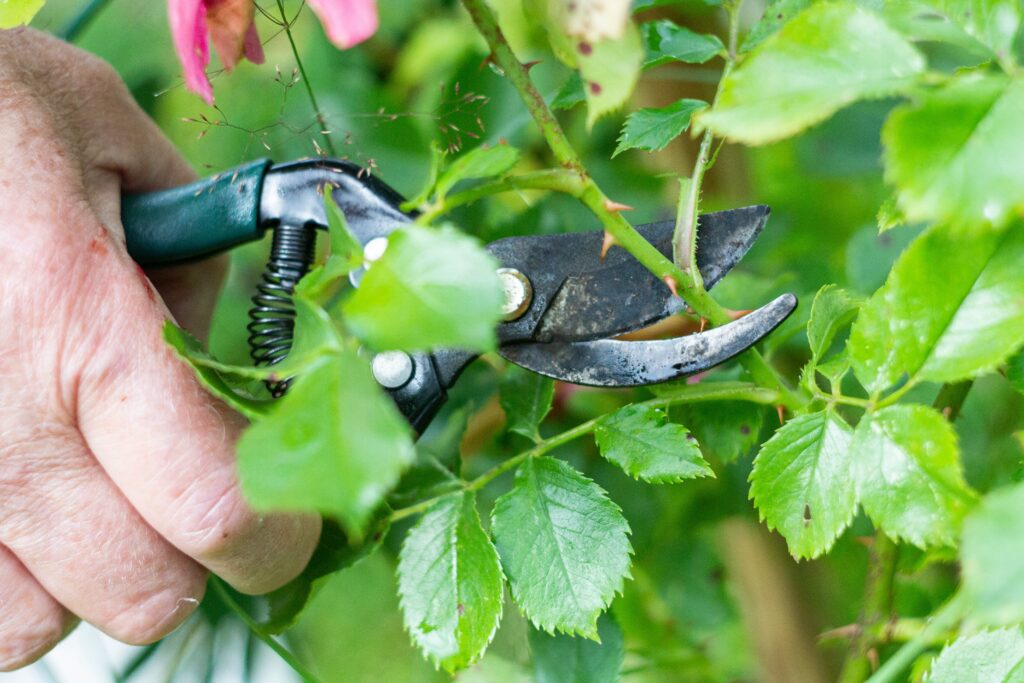
- Sterilize Blades: Wipe bypass pruners or razor blades with 70% rubbing alcohol between plants to prevent spreading fungal pathogens.
- Avoid Anvil Cutters: Anvil pruners crush delicate stem vascular tissue (xylem/phloem). Always use sharp bypass snips.
- Clean Pots: Wash recycled plastic pots in warm water mixed with a splash of household bleach.
Custom DIY High-Porosity Propagation Mix
Standard commercial potting soil is often too heavy for unrooted cuttings. Excess water suffocates developing root initials and causes stem decay.
| Substrate Mix Type | Ingredients Ratio | Best For |
| Standard Shrub Mix | 50% Coir/Peat + 50% Horticultural Perlite | General woody shrubs, Hydrangeas |
| Mediterranean Mix | 40% Potting Soil + 40% Perlite + 20% Coarse Sand | Lavender, Rosemary, Sage |
| Moisture-Retention Mix | 60% Peat/Coir + 40% Vermiculite | Camellias, Fuchsias |
(Learn more about best soil container Best Soil Containers for Gardens and home plants – knowabteverything
Synthetic vs. Natural Rooting Hormones
Rooting hormones supply synthetic auxins (indole-3-butyric acid/IBA) to stimulate root development.
Tip: If you prefer organic gardening, dip your cuttings into cooled willow bark tea (rich in natural salicin and auxins) or a light dust of ground cinnamon, which acts as a powerful natural fungicide.
12 Plants to Propagate in August
Hardy Flowering Shrubs
1. Hydrangea (Hydrangea macrophylla / paniculata)
Hydrangeas have thick, moisture-rich stems that respond exceptionally well to late-summer propagation.
- Choose 4-to-6-inch non-flowering shoots.
- Make a clean cut directly below a leaf node.
- Strip off lower leaves, leaving only the top pair.
- Slice large leaves in half horizontally to stop moisture loss through transpiration.

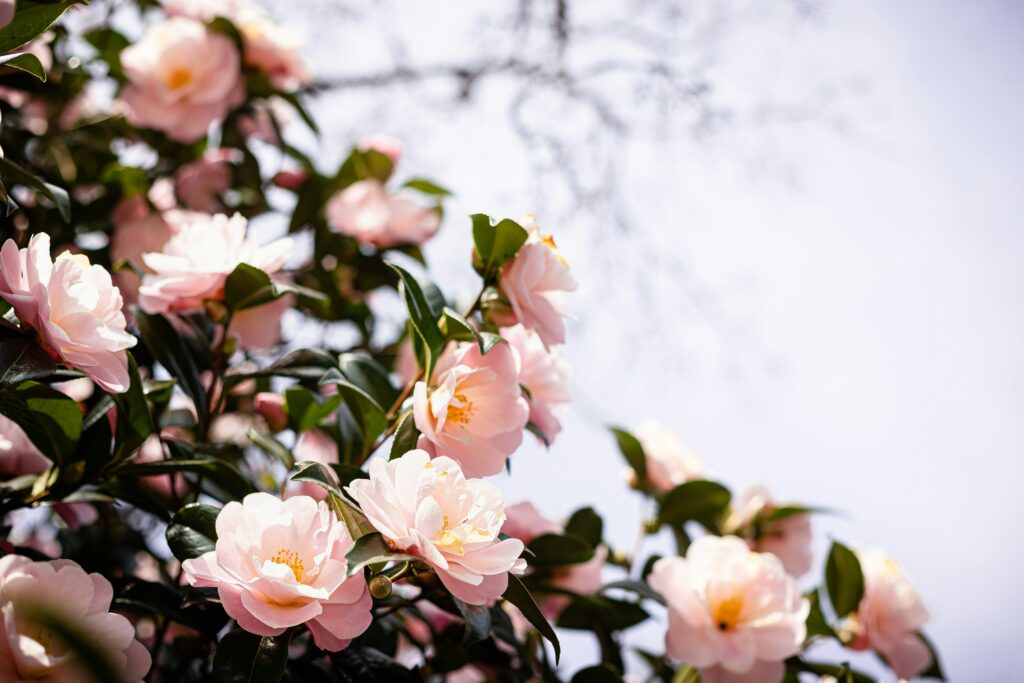
2. Camellia (Camellia japonica)
Camellias root slowly, but starting them in August yields strong young plants by spring.
- Select current-year shoots that have turned light brown at the base.
- Take a 4-inch cutting and dip the base in rooting gel.
- Insert into a moisture-retentive peat-vermiculite mix.
- Keep in indirect shade; roots take 8 to 12 weeks to anchor.
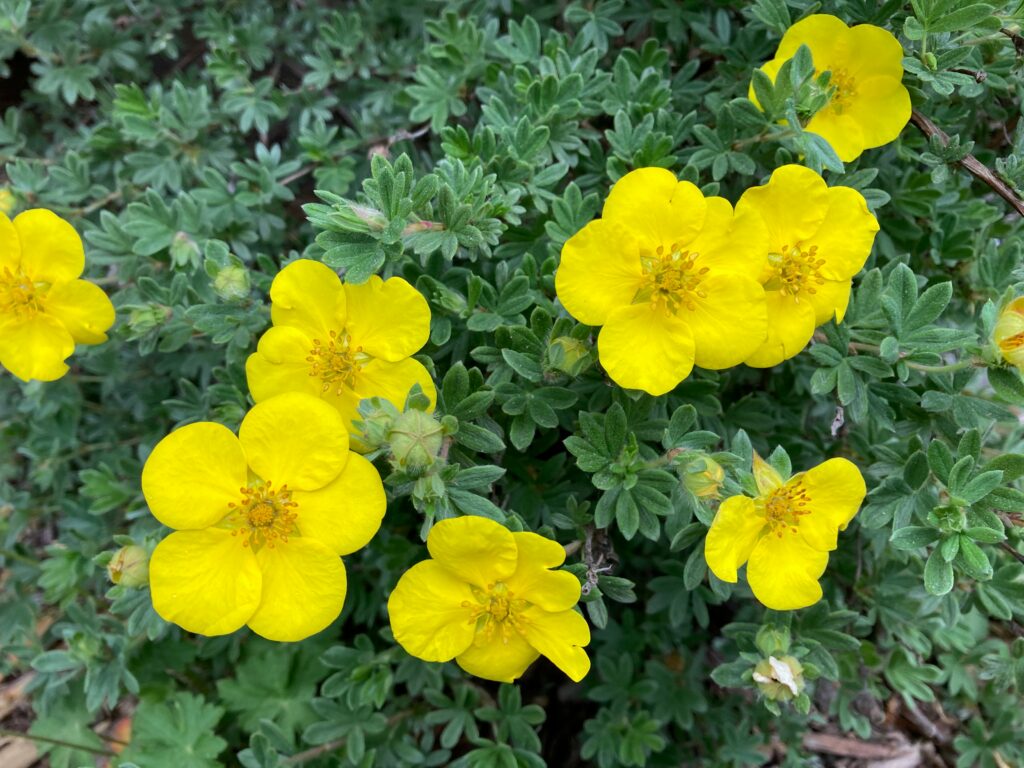
3. Potentilla (Potentilla fruticosa)
Potentilla yields dozens of firm side shoots in late summer.
- Snip 3-inch side branches with a tiny bit of main stem bark attached (a “heel”).
- Strip lower foliage gently without tearing the outer bark.
- Press into a gritty perlite mix and water lightly from below.
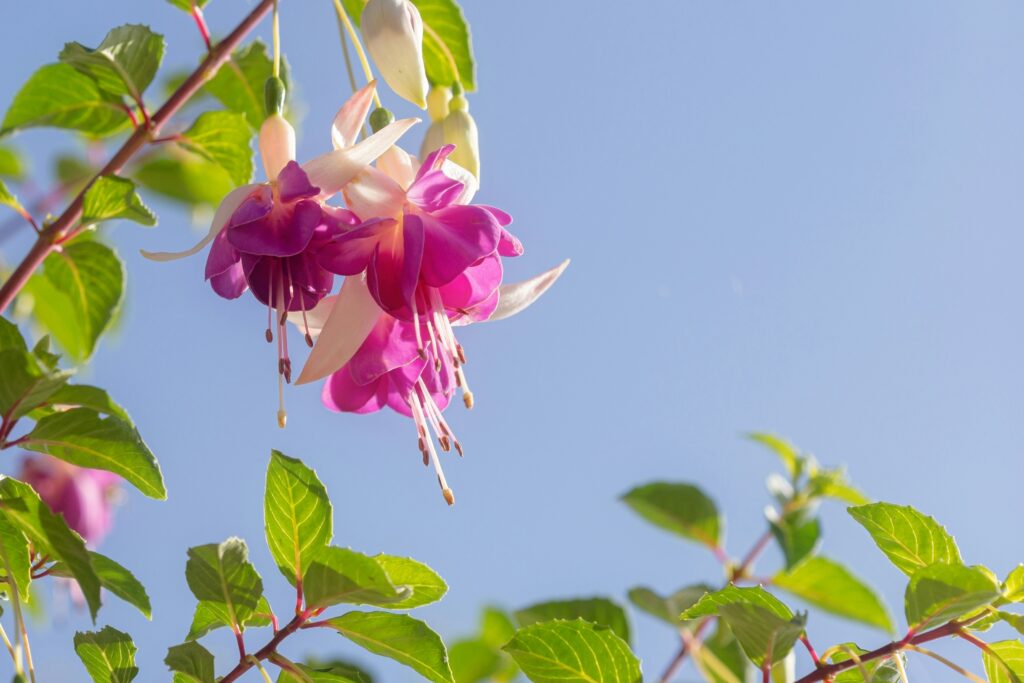
4. Fuchsia (Fuchsia spp.)
Fuchsias root easily when protected from hot, dry air.
- Select 3-inch green-tipped side stems that lack flower buds.
- Strip off any hidden embryonic flower buds along the upper stem nodes.
- Keep under a humidity dome; roots typically form within 14 to 21 days.
Aromatic Herbs & Mediterranean Shrubs
5. Lavender (Lavandula angustifolia)
Lavender stems rot quickly in damp soil, so a well-draining grit mix is essential.
- Gently pull a 3-inch side shoot downward off the main stem to create a heel cutting.
- Trim off any loose tail of bark at the bottom of the heel.
- Insert into a coarse sand-and-perlite mix. Avoid overwatering.

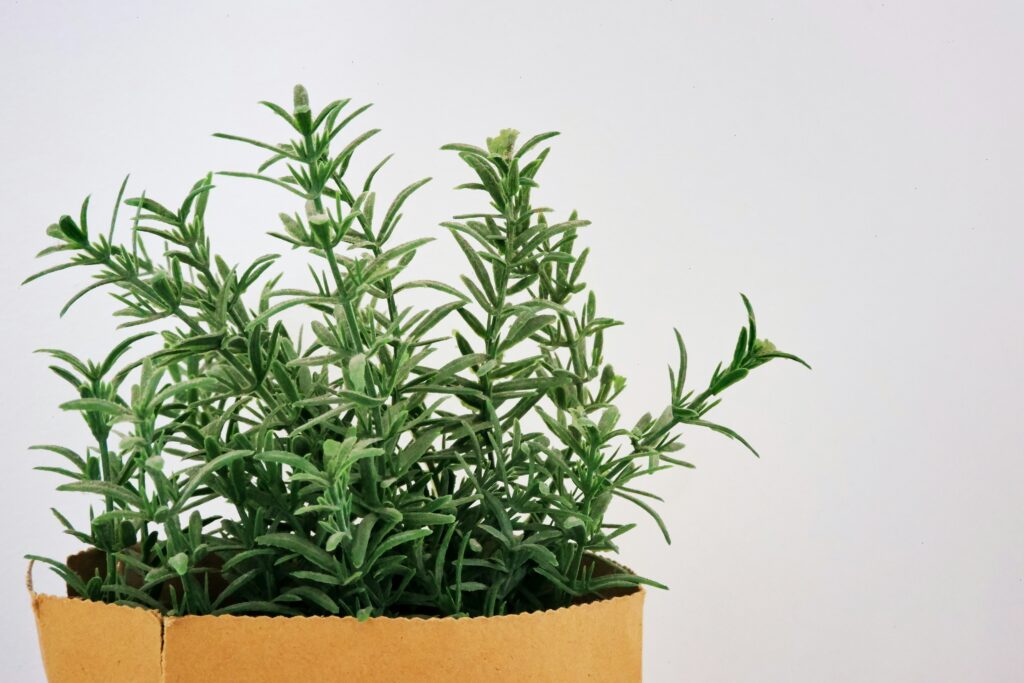
6. Rosemary (Salvia rosmarinus)
Fresh semi-ripe tips taken in August root much faster than winter hardwood cuttings.
- Select 4-inch firm stem tips that have not yet turned dark grey.
- Strip the lower two inches of needle-like leaves by sliding your fingers downward.
- Insert into a gritty substrate and keep in warm, filtered sunlight. (Read our complete guide on When to Water your Plants in Day or Night? – knowabteverything).
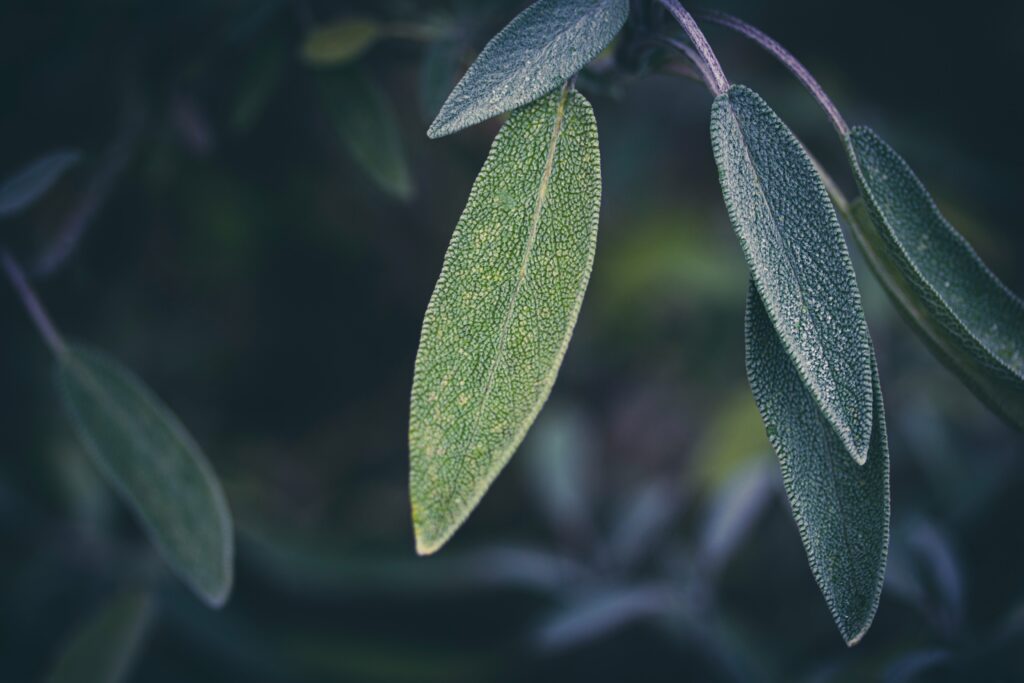
7. Sage (Salvia officinalis)
Salvia stems soften quickly if kept too wet, so prioritize airflow.
- Cut 4-inch non-flowering side shoots right below a stem joint.
- Pinch out the soft center tip to encourage side branching.
- Place in bright, indirect light with good air movement.
Climbers, Evergreens & Hedging
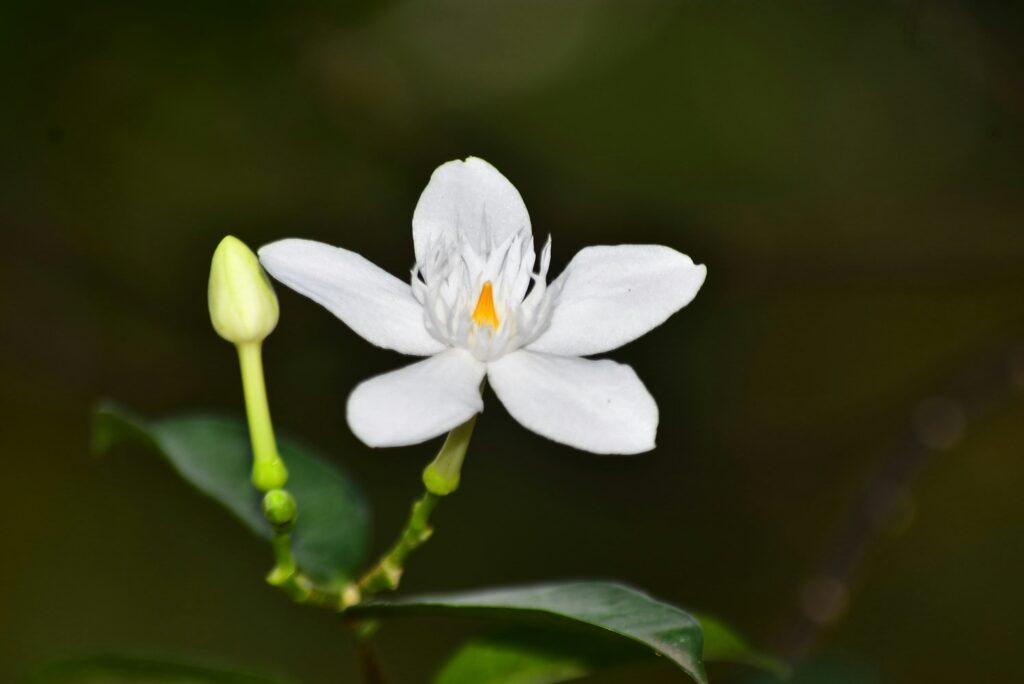
8. Star Jasmine (Trachelospermum jasminoides)
Star Jasmine releases a milky latex sap when cut, which must be managed before planting.
- Take 5-inch cuttings with at least three nodes.
- Dip the freshly cut end in clean water for 10 seconds to stop sap flow.
- Apply rooting powder and plant into a coarse perlite blend.
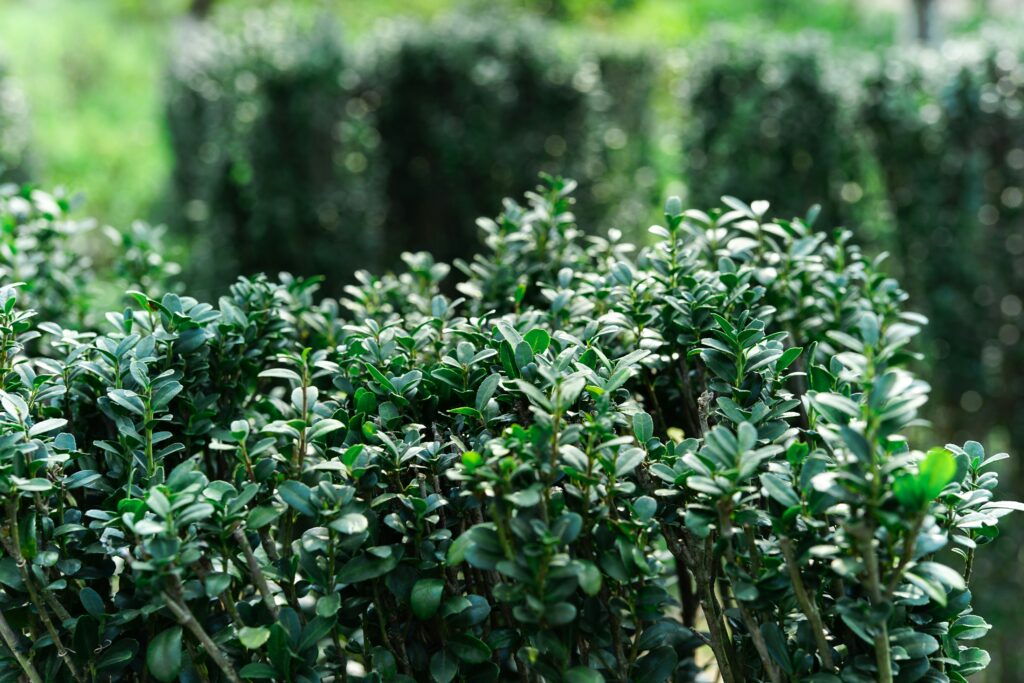
9. Boxwood (Buxus sempervirens)
Boxwood requires steady moisture and cooler root temperatures through autumn.
- Snip 3-to-4-inch semi-ripe side twigs from healthy bushes.
- Strip lower leaves and insert stems around the perimeter of a deep pot.
- Overwinter in an unheated cold frame or sheltered spot.
Tender Perennials & Annual Overwintering
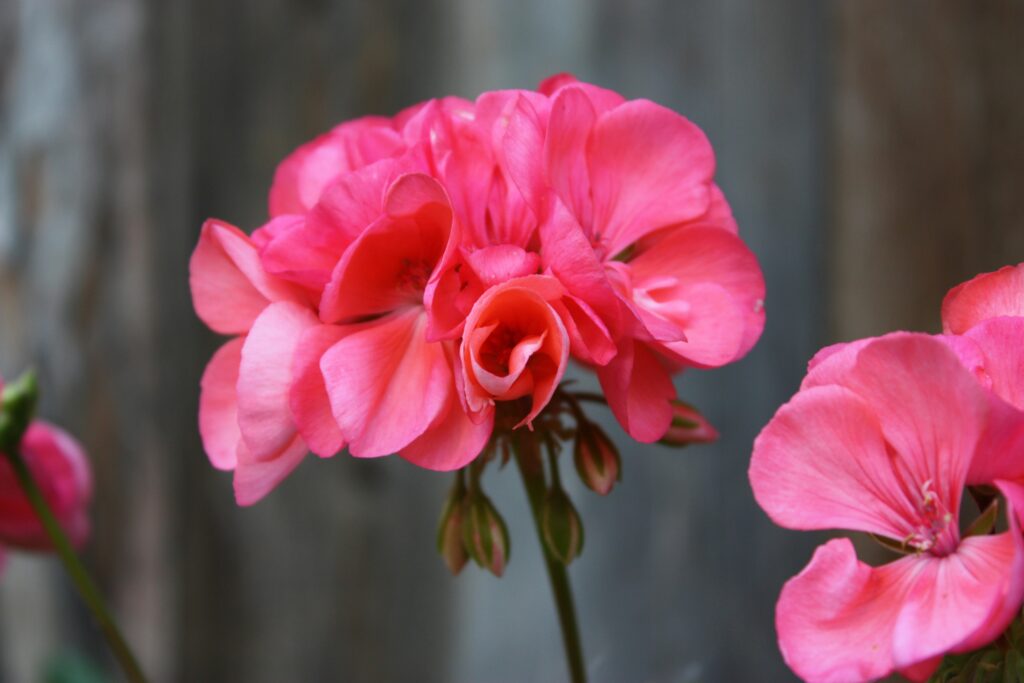
10. Pelargoniums / Geraniums (Pelargonium spp.)
- Cut 4-inch healthy shoots directly below a node.
- Let the cuttings sit on a paper towel for 2 hours so the cut end forms a dry callus.
- Plant into a dryish sandy soil mix to prevent black-leg stem rot.
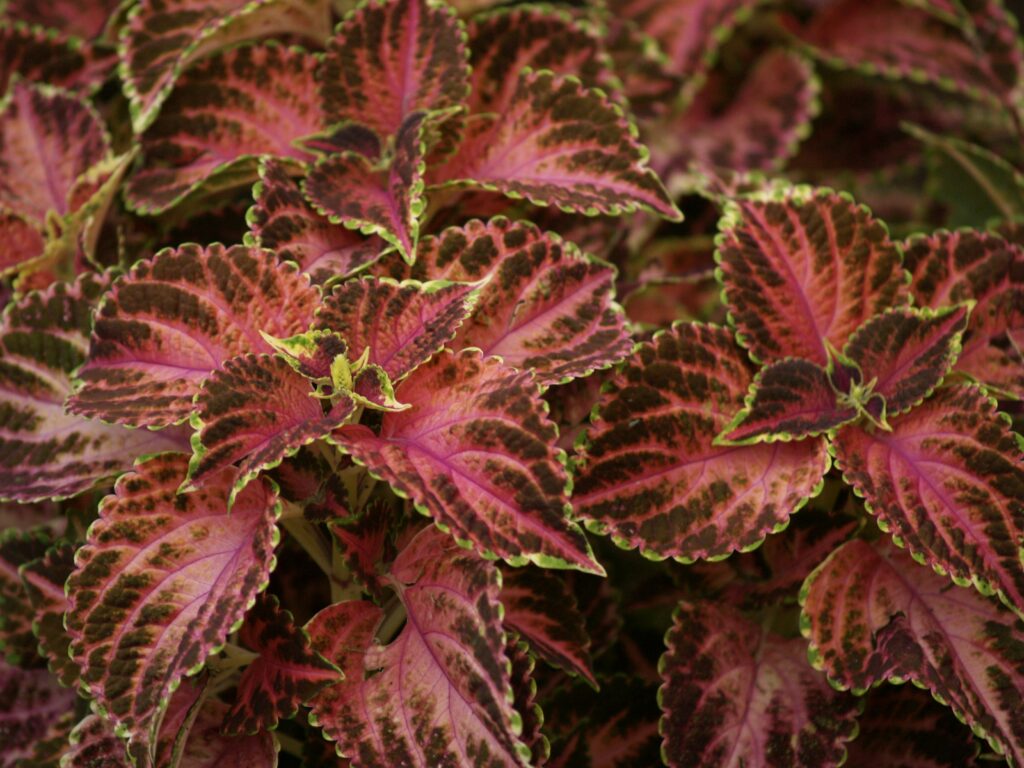
11. Coleus (Solenostemon spp.)
Coleus roots rapidly in warm late-summer conditions.
- Take 3-to-4-inch leafy stem tips.
- Remove lower leaves and insert into moist soil or jars of clean water.
- Move pots indoors near a sunny window before night temperatures drop below 50 degrees (10 degrees).
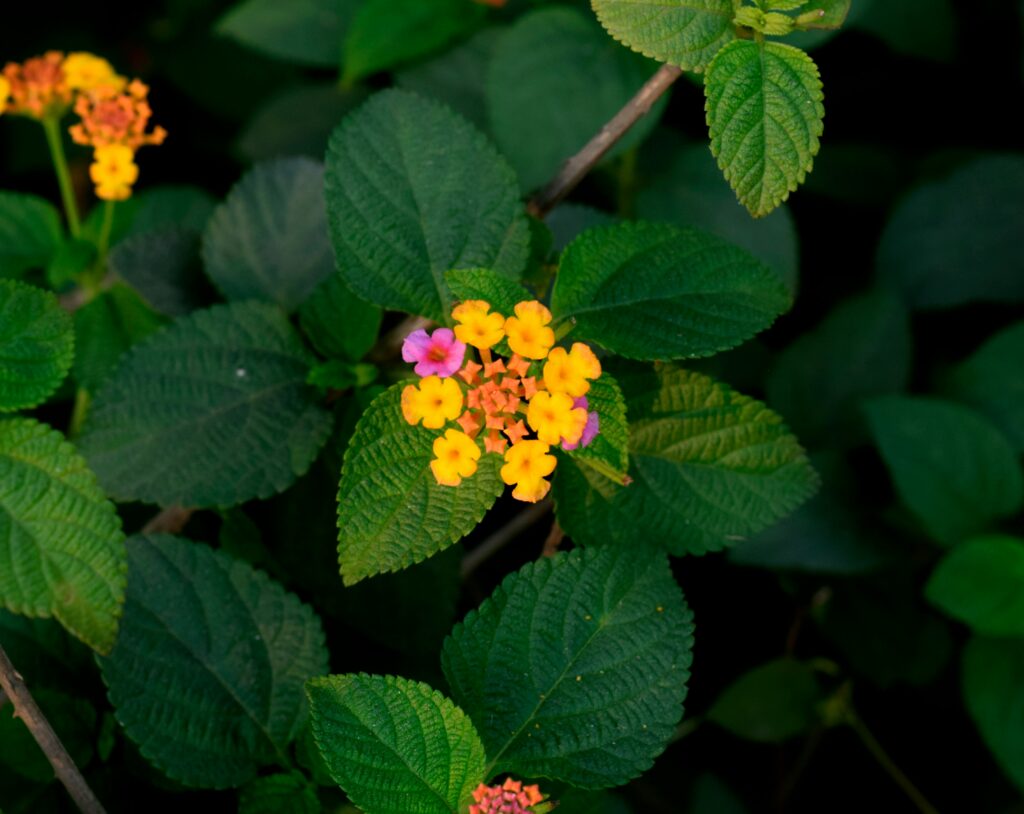
12. Lantana (Lantana camara)
Lantana cuttings ensure you keep your favorite flower colors year after year.
- Take 4-inch semi-woody tips before flowers fade.
- Strip lower leaves and remove any small seed berries.
- Keep under warm, humid conditions until roots establish.
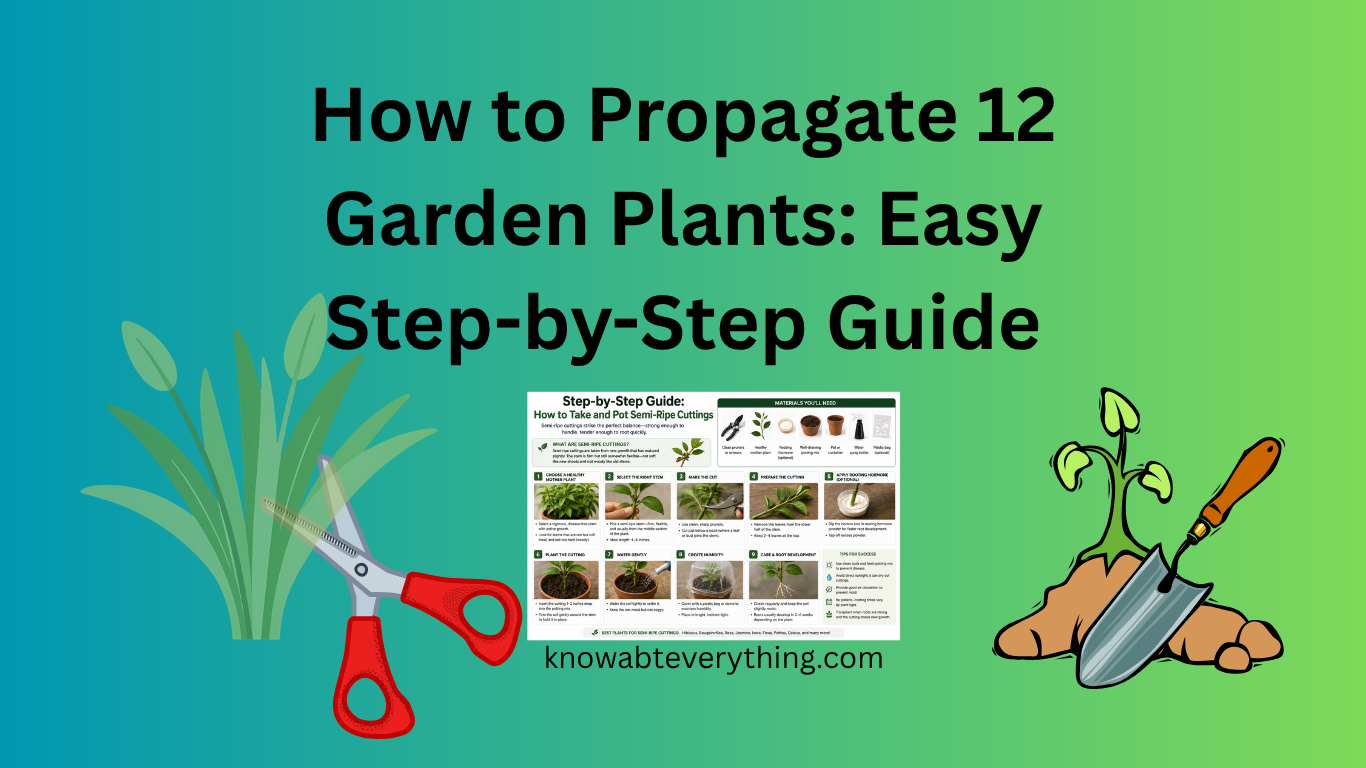
Step-by-Step Guide: How to Take and Pot Semi-Ripe Cuttings
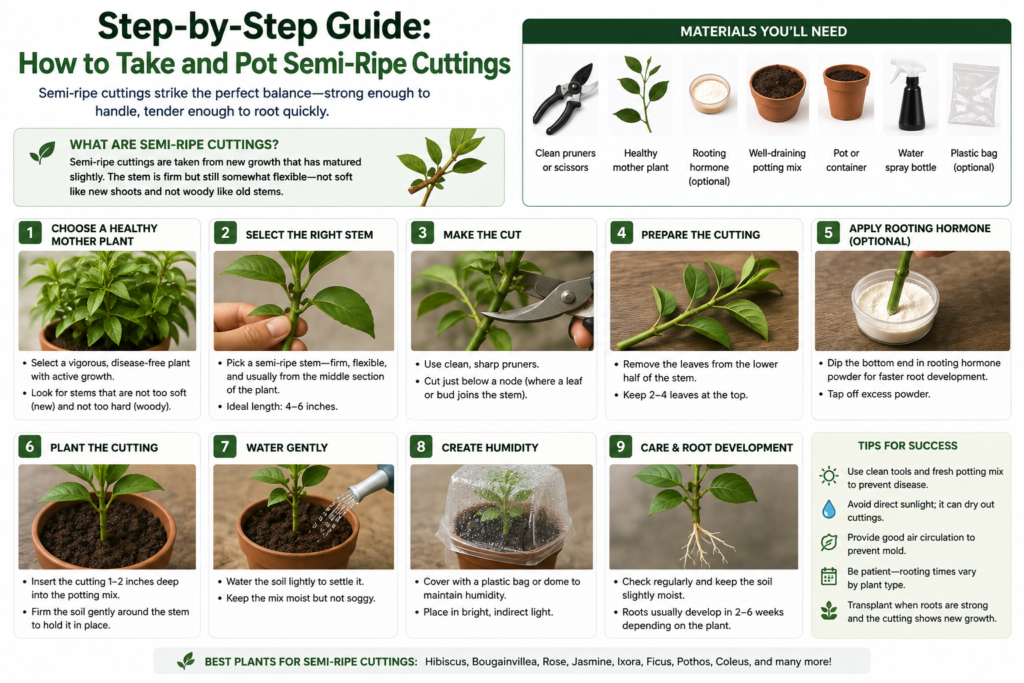
Follow this step-by-step method to maximize your rooting success:
1. HARVEST EARLY –> Collect hydrated stems in morning cool.
2. PRECISION CUT –> Snip 4-6″ shoot at 45° angle below node.
3. STRIP FOLIAGE –> Remove bottom leaves; trim top leaves 50%.
4. DIP & PLANT –> Apply hormone powder; insert in soil rim.
5. HUMIDITY COVER –> Cover with plastic dome; avoid direct sun.
Step 1: Timing the Harvest
Harvest stems early in the morning when tissue moisture levels are highest. Store freshly cut stems inside a damp plastic bag in the shade while you work.
Step 2: Making the Precision Cut
Select healthy, pest-free shoots 4 to 6 inches long. Using a sharp blade, slice cleanly at a 45degree angle directly beneath a stem node.
Step 3: Leaf Stripping & Leaf-Area Reduction
Strip off all leaves from the lower half of the cutting. For large-leaved plants (like Hydrangeas), trim the remaining upper leaves in half with clean scissors. This simple trick slashes water evaporation while maintaining photosynthesis.
Step 4: Hormonal Application & Planting (The Edge Effect)
Dip the cut base into water, tap off the excess, and dust with rooting hormone. Dibble a hole in your soil with a pencil—do not force the stem in, or you will scrape off the hormone.
Expert Trick: The “Edge Effect”
Insert your cuttings along the inner plastic rim of the pot rather than in the direct center. Soil along pot edges drains better and holds ambient warmth, encouraging faster root growth.
Step 5: Setting Up Micro-Climate Humidity
Cover your pot with a clear plastic dome or a clear plastic bag supported by wooden skewers. Place the pot under bright, indirect sunlight. Keep out of direct sun, which will overheat the covered cuttings.
Overwintering Strategy: Keeping August Cuttings Alive Until Spring
Rooting your cuttings in August is only the first step. Protecting their young root systems through winter frosts ensures they survive until spring.
       [AUGUST - OCTOBER]          [NOVEMBER - FEBRUARY]          [MARCH - APRIL]
     Root Development Phase        Winter Survival Phase        Spring Potting-On
   (High humidity, mild shade)  (Sheltered cold frame, light) (Harden off & transplant)
Autumn Phase (September – November)
Keep soil evenly damp. Check for root formation after 3 to 4 weeks using the gentle tug test: give the stem a soft upward pull. If you feel resistance, roots are forming.
Winter Protection (December – February)
- Hardy Shrubs: Move pots into an unheated greenhouse, garage window, or cold frame to shelter roots from freezing winds.
- Tender Perennials: Bring Pelargoniums, Coleus, and Lantana indoors to a sunny windowsill before the first frost.
- Watering: Reduce watering significantly. Keep soil barely damp to prevent cold root rot.
Spring Potting-On (March – April)
When new leaf buds emerge in spring, root systems are ready. Gently lift young plants and pot them individually into nursery pots filled with rich potting soil. Harden them off outdoors over 7 to 10 days before planting them into your garden beds.
Troubleshooting Common August Propagation Problems
| Symptom | Primary Cause | Immediate Fix |
| Fuzzy white mold on stem or leaves | High humidity / Poor airflow | Vent plastic bags daily for 20 mins; mist soil with cooled chamomile tea. |
| Yellowing foliage dropping from lower stem | Sunburn or waterlogged soil | Shift pot into filtered shade; check bottom drainage holes. |
| Leaves wilting despite wet soil | Base rot or poor node contact | Toss out rotted stems; switch to a high-perlite mix with better drainage. |
Frequently Asked Questions
Can I propagate semi-ripe cuttings without a greenhouse or grow lights?
Yes! A simple clear plastic bag held up by wooden skewers over a pot works like a mini-greenhouse. Place it on a bright indoor windowsill that gets indirect sunlight.
How long do August semi-ripe cuttings take to form roots?
Most semi-ripe cuttings take 3 to 6 weeks to root. Slower-growing evergreen shrubs like Camellia or Boxwood may take 8 to 12 weeks.
Should I remove flower buds from my August cuttings?
Yes, always. Flower buds consume precious sugar reserves trying to bloom. Removing them redirects all energy toward root growth.
How do I know if my semi-ripe cuttings have rooted successfully?
Perform a “gentle tug test” after 3 to 4 weeks. Lightly pull the base of the stem upward. If you feel firm resistance, roots have anchored into the soil.
Is rooting hormone strictly necessary for August cuttings?
While easy-rooting plants like Coleus or Fuchsia root fine without it, rooting hormone significantly improves success rates for woody shrubs like Camellia, Lavender, and Boxwood.
Read about How to Protect Balcony Plants from Excess Rain: The Complete Survival Guide
Top 10 Rainy Season Flowering Plants
Which are the Best Organic Fertilizers for Indoor Plants?
RHS – UK’s leading gardening charity / RHS
2023 USDA Plant Hardiness Zone Map | USDA Plant Hardiness Zone Map