31 Balcony Railing Planter Ideas: The Complete Design Mounting & Safety Guide
31 Balcony Railing Planter Ideas: The Complete Design, Mounting & Safety Guide Transforming a bare balcony into a vibrant outdoor sanctuary often starts with a simple realization: floor space is precious. Whether you are sipping morning coffee on a tiny apartment deck or managing a high-rise loggia, vertical space is your greatest asset.
Railing planters offer an effortless way to surround yourself with lush foliage, vivid blooms, and fresh kitchen herbs without sacrificing a single square foot of floor space. However, hanging soil, water, and plants off an elevated ledge comes with unique structural and etiquette challenges. This complete guide covers everything you need to know about choosing, securing, styling, and maintaining balcony railing planters safely.
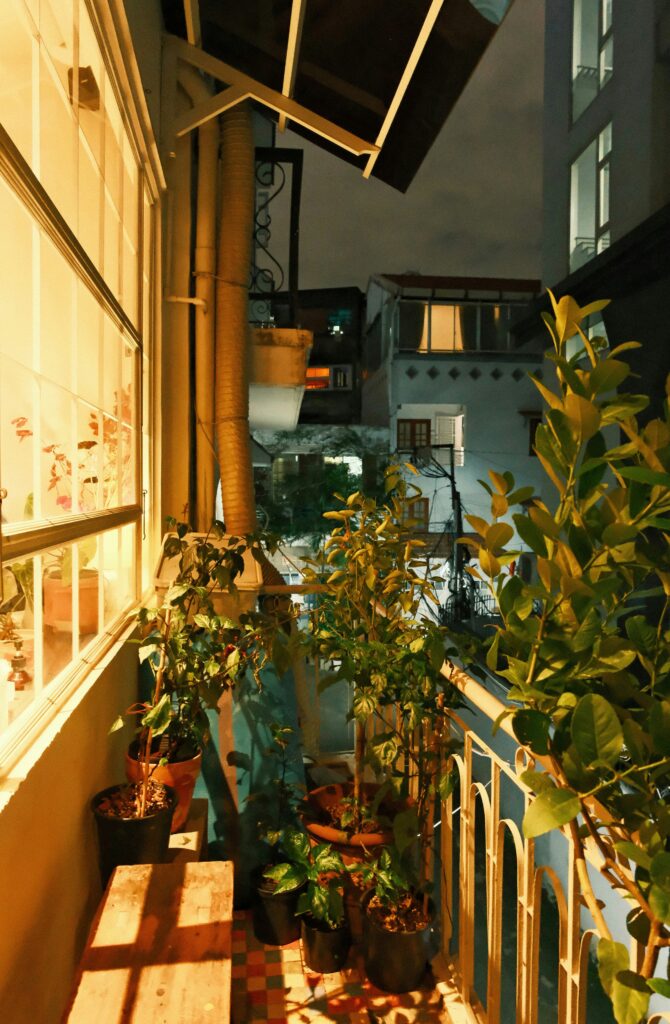
Key Takeaways: How to Secure a Balcony Planter Safely
- Measure your railing: Determine if you have a square wood rail (2×4 or 2×6), round metal pipe, or glass balustrade before buying.
- Account for wet soil weight: A standard 24-inch planter can jump from 10 lbs dry to 22 lbs after a rainstorm.
- Use secondary tethers: Always secure your brackets to the vertical railing spindles using UV-resistant zip ties (50 lb burst strength) or stainless steel wire.
- Face upper-floor planters inward: For balconies above the third floor, mount planters facing your deck to prevent high-wind hazards.
- Control drainage: Use self-watering reservoirs to prevent muddy runoff from dripping onto downstairs neighbors.
1. How to Choose the Right Planter for Your Railing Type
Before purchasing a single box or bag of potting soil, you must inspect your balcony’s architectural framework. Not all planters fit all railings. A mismatch can lead to unsightly slanting, unstable containers, or scratched finishes.
Round Metal vs. Square Wood vs. Glass Railings
- Square Wood Rails (2×4 or 2×6): Common on townhouse decks and traditional apartment complexes. These flat surfaces offer excellent stability for over-the-rail straddle boxes or simple L-bracket mounted troughs.
- Round Metal Pipes & Wrought Iron: Frequent in modern mid-rise constructions and classic urban fire escapes. Round bars lack a flat top surface, meaning over-the-rail boxes will slide forward unless held by adjustable metal brackets or lower-support arms that brace against vertical spindles.
- Glass Balustrade Panels: Sleek and modern, but delicate. Glass offers no mounting lip and requires padded compression mounts or top-saddle planters with thick rubber linings. Never allow unpadded metal hardware to contact tempered glass directly.
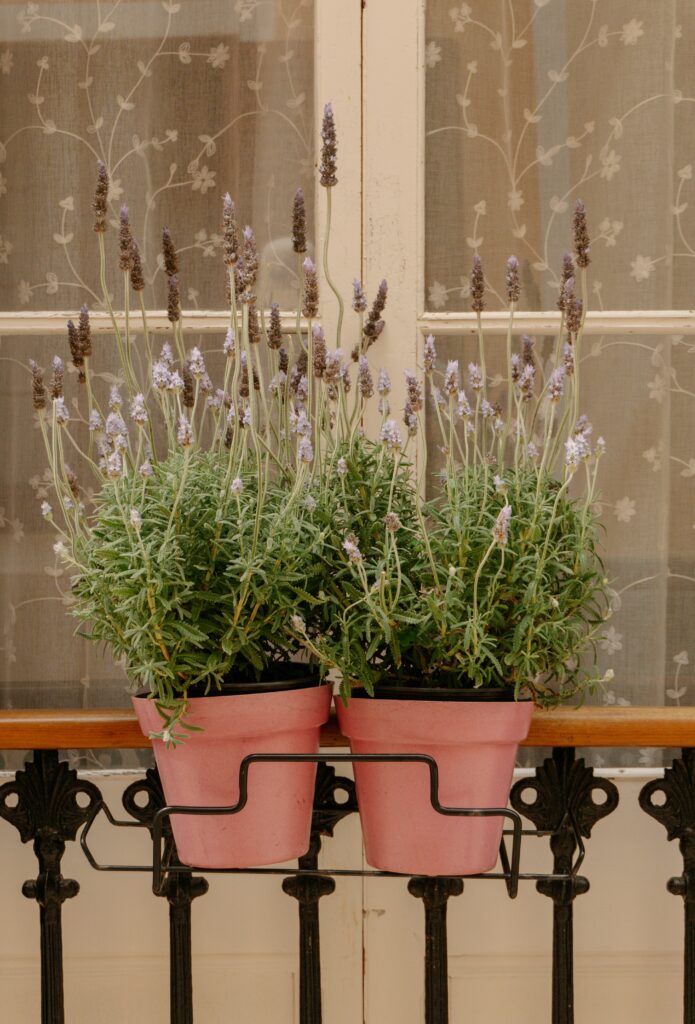
Measuring Rail Width: Avoiding Loose or Tilted Planters
Take a precise tape measure to your railing before shopping:
- Measure the top width (standard 2×4 lumber actually measures 3.5 inches wide; 2×6 measures 5.5 inches).
- Measure the depth and thickness to ensure wrap-around clamps will fit.
- Check for spindle clearance—the space between vertical bars—to ensure mounting straps can pass through easily.
Pro Tip: A loose saddle planter will tilt outward under the weight of wet soil, draining water unevenly and stressing plant roots. Always use foam shims or adjustable bracket spacers to keep the base level.
Mounting Types: Straddle, Brackets, and Pockets
- Straddle (Over-the-Rail) Boxes: Feature a recessed channel running down the center bottom. They slide directly over the top rail, dividing weight evenly on both sides.
- Hanging Brackets & Troughs: Metal cages or wood boxes held by arms that hook over the top edge.
- Fabric Pocket Systems: Multi-pocket felt bags slung over the top bar. They are ultra-lightweight, renter-friendly, and fold flat for easy winter storage.
2. Balcony Weight & Wind Safety: What Every Apartment Gardener Must Know
A wet planter box is surprisingly heavy, and high-altitude winds can exert massive aerodynamic lift. Prioritizing safety protects passersby, respects building management, and preserves your plants.
Calculating Dry vs. Saturated Soil Weight
Water adds approximately 8.34 pounds per gallon. When you fully water a container mix, its weight can double or triple within minutes. Consider this table before loading up your railing. [Internal Link: Best Lightweight Potting Soil for Container Gardens (2026 Guide) - knowabteverything]
| Container Size / Material | Soil Mixture Type | Estimated Dry Weight | Saturated Wet Weight (Post-Rain) |
| 24-inch Plastic Box | Lightweight Potting Mix | 6 – 10 lbs | 16 – 22 lbs |
| 24-inch Cedar Trough | Garden Soil + Compost Mix | 16 – 22 lbs | 38 – 48 lbs |
| 36-inch Resin Straddle | Perlite/Peat Mix | 12 – 16 lbs | 28 – 36 lbs |
| 36-inch Wire Coco-Liner | Coco Coir + Soil Mix | 8 – 12 lbs | 20 – 26 lbs |
High-Rise Wind Shear: Anchor Protocols for Upper Floors
Above the third story, wind speeds increase dramatically. High winds dry out soil rapidly, break long plant stems, and catch flat-sided planter boxes like sails. Choose shallow, rounded, or tapered containers rather than deep, flat-front wooden troughs to reduce aerodynamic drag. Additionally, always mount containers facing inside the balcony perimeter on high floors.
Secondary Tethering Hacks: Steel Cables and Heavy-Duty Ties
Never rely solely on gravity or a single plastic bracket.
- The UV Zip-Tie Trick: Thread two heavy-duty, UV-resistant black cable ties (minimum 50 lb burst strength) through the internal drainage holes or bracket loops and wrap them tightly around the vertical railing spindles.
- Coated Stainless Steel Aircraft Wire: For permanent setups, loop vinyl-coated 1/16-inch steel wire through the planter frame and secure it to the rail structure using small wire rope clamps.
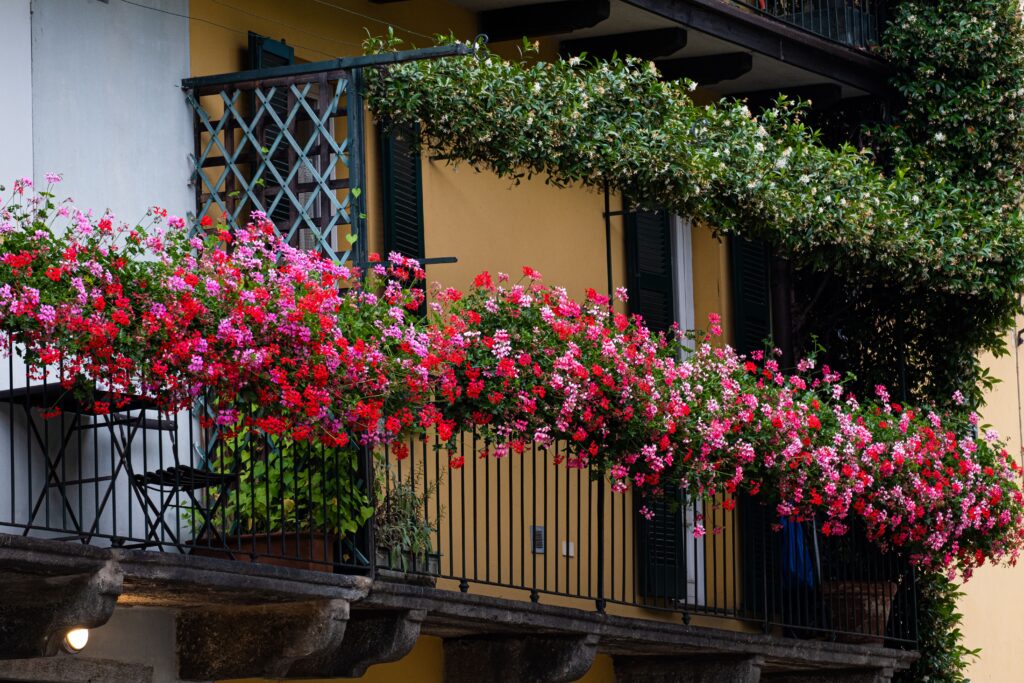
3. Creative Balcony Railing Planter Ideas
Use these stylized planting arrangements to maximize color, harvest, and visual structure.
The “Thriller, Filler, Spiller” Formula for Railing Boxes
This classic composition rule ensures balanced, professional-looking containers:
- Thriller (Height): Placed in the center or back to draw the eye upward (e.g., Salvia, Dwarf Ornamental Grass, Lavender).
- Filler (Volume): Medium-height bushy plants that cover the soil surface (e.g., Begonias, Pansies, Coleus).
- Spiller (Cascading): Trailing foliage that tumbles gracefully over the front edge, softening rigid planter lines (e.g., Million Bells, Trailing Ivy, Creeping Jenny).
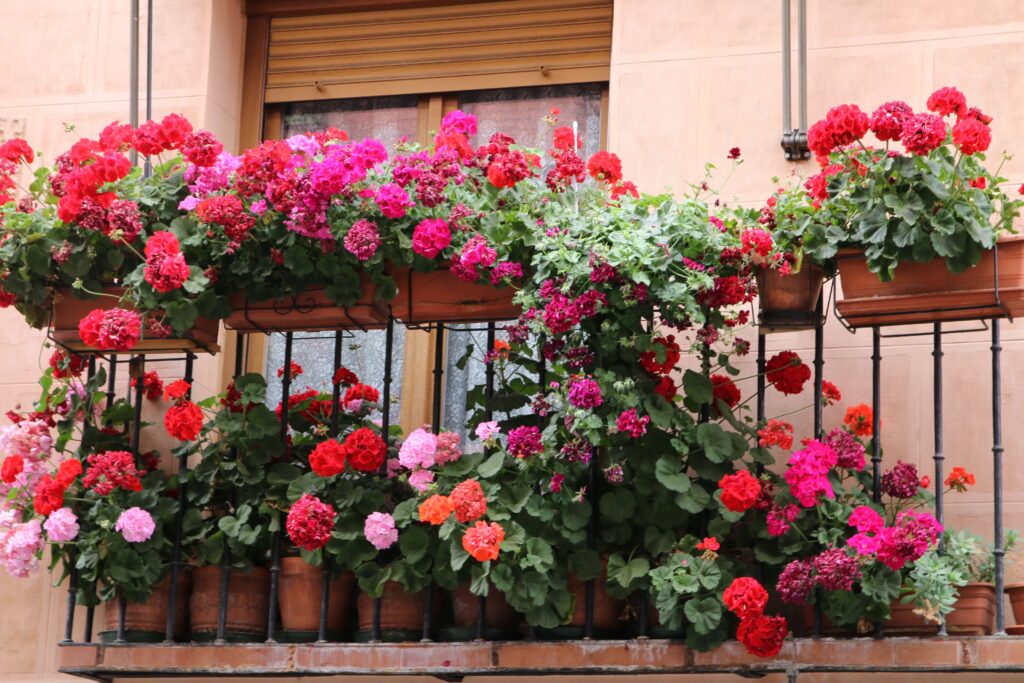
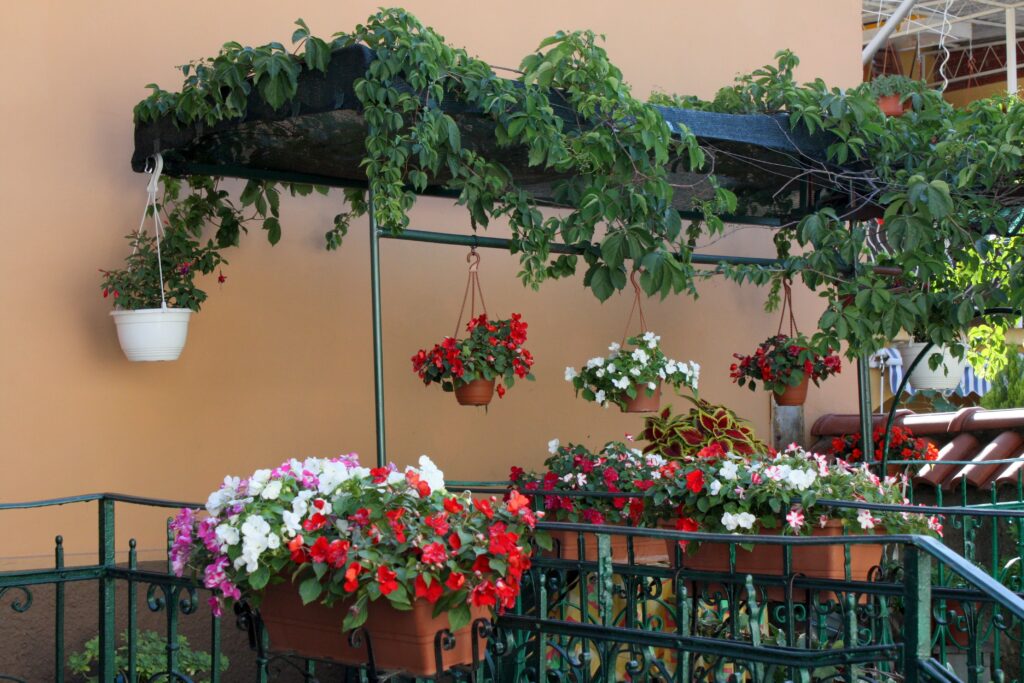
Lush Cascading Floral Railings for Maximum Curb Appeal
- The Classic Parisian Windowbox: Vibrant red zonal geraniums flanked by white bacopa and trailing English ivy.
- Monochromatic Sunset: Deep orange calibrachoa, yellow lantana, and copper-colored coleus.
- Night-Glow White Garden: Moonflowers, white petunias, and silver dichondra (Silver Falls) that catch ambient city lights after dark.
- Pastel Cottage Edge: Soft pink verbena, pale blue lobelia, and trailing alyssum delivering a honey-like scent.
- Pollinator Haven: Dwarf zinnias, dwarf pentas, and trailing purple verbena to attract urban butterflies and bees.

Urban Edible Rails: Compact Herb & Mini Vegetable Gardens
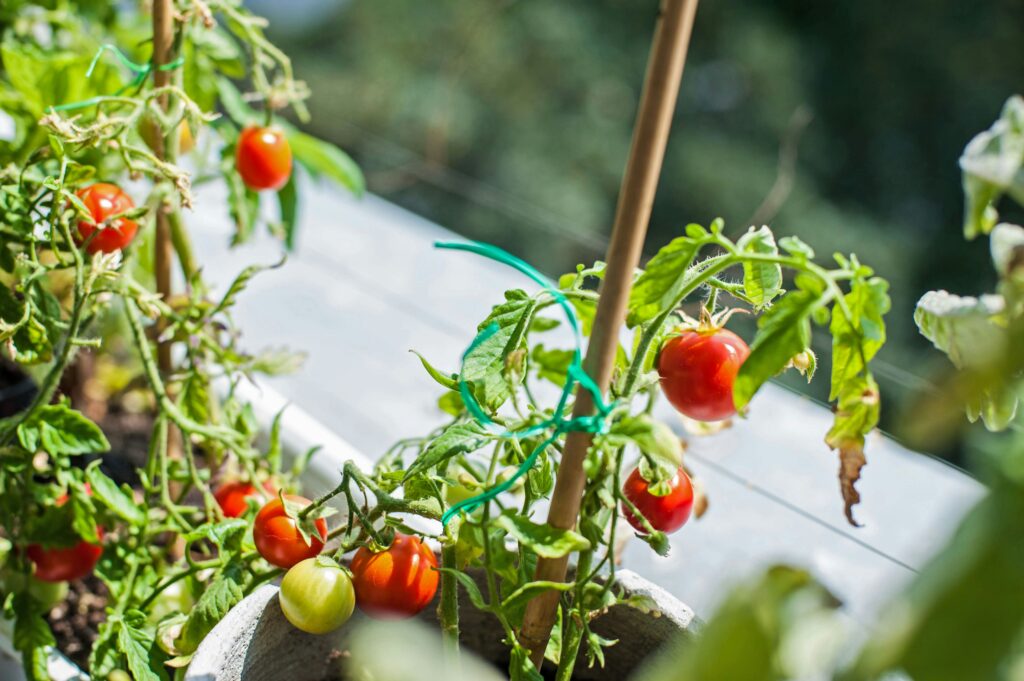
- The Caprese Rail: A central Tumbling Tom dwarf cherry tomato plant flanked by Genovese basil and sweet marjoram.
- The Tea & Cocktail Herb Box: Spearmint (kept contained!), lemon thyme, chamomile, and alpine strawberries.
- Spicy Salsa Strip: Compact jalapeno pepper cultivars, cilantro, dwarf scallions, and creeping oregano.
- Mediterranean Kitchen Trough: Rosemary, creeping thyme, winter savory, and flat-leaf parsley growing in low-moisture soil.
- Leafy Greens Gallery: Cut-and-come-again butterhead lettuce, Swiss chard (for vibrant red/yellow stems), and dwarf kale.
Privacy Screen Railing Planters Using Tall Grasses & Vines
- Feathery Bamboo Shield: Shallow planters packed with non-invasive Fargesia clumping bamboo or Karl Foerster feather reed grass.
- The Living Trellis: Wooden railing boxes fitted with lightweight wire mesh climbing frames growing sweet peas or black-eyed Susan vines.
- Fragrant Jasmine Curtain: Star jasmine trained horizontally along the top railing wire to create a scented barrier.
- Succulent Wall: Deep-pocket felt planters mounted to rail bars and stuffed with upright snake plants (Sansevieria) and tall sedums.
- Perennial Grass Ribbon: Blue Fescue (Festuca glauca) planted tightly in a row for a cool-toned, geometric privacy guard.
Modern Minimalist Railings: Monochrome & Succulent Displays
- Architectural Echeveria Box: Mixed rosette succulents planted in coarse pumice gravel inside a sleek charcoal powder-coated trough.
- All-Foliage Zen Box: Variegated hostas, Japanese forest grass, and dark purple coral bells (Heuchera).
- Nordic Moss & Stone Strip: Sphagnum moss cushions, river rocks, and low-growing sedums in a matte-white resin box.
- Industrial Metal & Fern Mix: Galvinized steel containers spilling over with delicate maidenhair and autumn ferns.
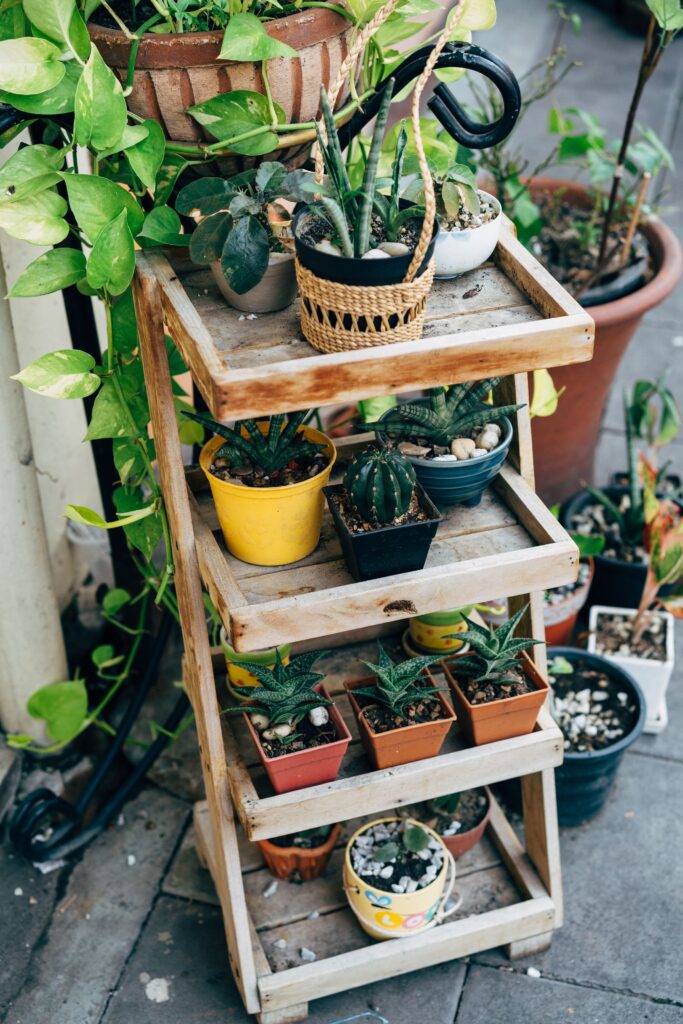
- Desert Sunset Strip: Compact aloes, golden barrel cacti, and trailing string-of-pearls.
4. Sunlight & Microclimate Matchmaker
Balconies present harsh microclimates. Reflected heat from glass windows, concrete walls, and overhead overhangs dictates plant health far more than regional climate zones alone. Always match your plants to your specific balcony exposure.
| Theme / Microclimate | Thriller (Height) | Filler (Volume) | Spiller (Cascading Edge) | Sunlight Needs |
| Sunburst Floral Display | Salvia or Angelonia | Marigolds or Lantana | Calibrachoa (Million Bells) | Full Sun (6+ hrs) |
| Italian Herb & Pizza Rail | Upright Rosemary | Genovese Basil & Parsley | Trailing Thyme & Oregano | Full Sun (6+ hrs) |
| Shade Oasis | Coleus or Caladium | Impatiens or Begonias | English Ivy or Creeping Jenny | Partial / Full Shade |
| High-Wind Upper Floor | Blue Fescue Grass | Compact Dwarf Zinnias | Creeping Sedum / Stonecrop | Any (Select wind-hardy) |
Full-Sun Railing Ideas (South & West Facing)
- 21. Mediterranean Succulent Row: Drought-resistant portulaca (moss rose), ice plants, and trailing sedum that thrive in baked 90°F+ ledge heat.
- 22. Heat-Loving Bougainvillea: Bush-form bougainvillea trimmed to size, thriving in blazing afternoon light.
- 23. Rock-Rose & Lavender Strip: English lavender paired with sun-loving rock rose (Cistus) for drought-proof aromatics.
Shade-Loving Railing Planters (North Facing & Covered Balconies)
- 24. Jewel-Toned Begonia Rail: Non-stop tuberous begonias mixed with trailing dichondra in shaded overhang zones.
- 25. Caladium & Fuchsia Display: Broad, heart-shaped heart-of-Jesus (Caladium) leaves paired with dangling fuchsia blooms.
- 26. Woodland Fern Pocket: Soft tassel ferns, sweet woodruff, and creeping mazus creating a forest floor effect in deep shade.
Wind-Tolerant Plants for Upper-Level Balconies
- 27. Dwarf Ornamental Grasses: Blue fescue (Festuca glauca) bends gracefully without snapping in high-altitude gusts.
- 28. Tough-Leafed Ivy Geraniums: Thicker, rubbery leaves retain moisture and resist wind tattering better than zonal geraniums.
- 29. Compact Dwarf Alyssum Strip: Low-profile carpeting plants that hug the soil line beneath the wind shear zone.
- 30. Creeping Thyme Rug: Forms a tight, aromatic mat across the planter rim that resists uprooting.
- 31. Everlasting Strawflower Trough: Rigid, papery blooms that handle wind shear without losing petals.
5. Neighbor-Friendly Drainage & Runoff Solutions
One of the quickest ways to receive a stern letter from an HOA or building owner is allowing muddy water to drip down onto lower balconies, staining patio furniture or drying laundry.
Preventing Dirty Water Drips on Downstairs Balconies
Never use open-bottom coco-lined wire baskets unless you install an internal plastic liner tray. Water your containers early in the morning using a long-necked watering can fitted with a narrow spout, allowing you to direct liquid straight to the roots rather than splashing over the edges.
Self-Watering Planters with Built-In Drainage Reservoirs
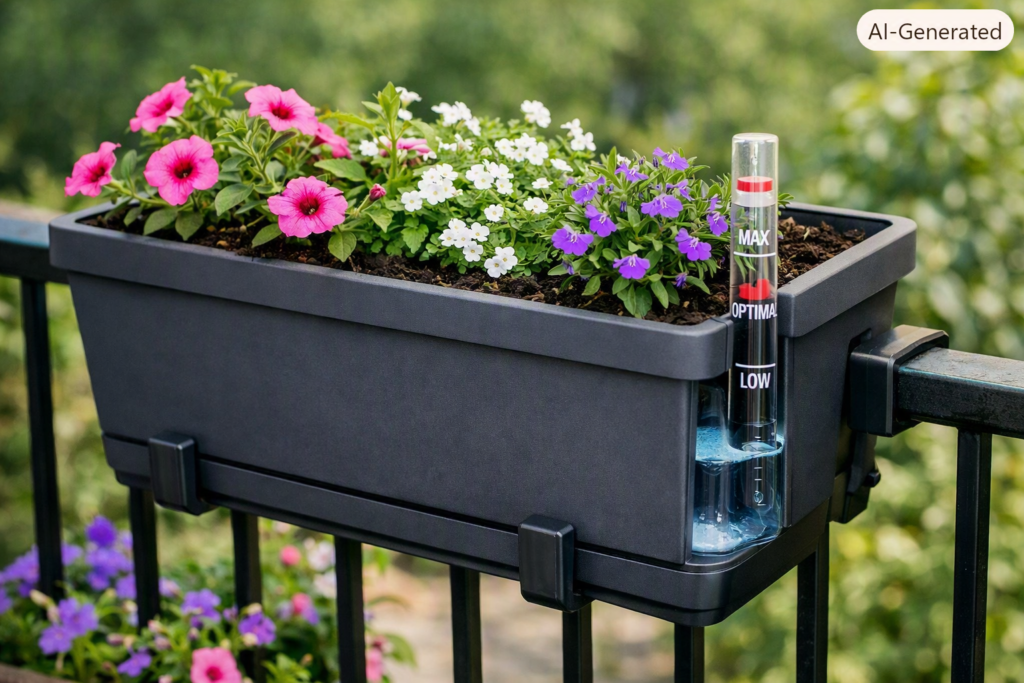
Invest in double-walled sub-irrigation planters. These units feature a lower water holding chamber separated from the soil by a perforated plate. Plant roots draw moisture upward via capillary action. Quality self-watering boxes feature a side drainage plug located 1 inch above the bottom. Excess rainwater exits out the side wall away from the railing seam, rather than dripping directly out the bottom center.
DIY Sub-Irrigation Inserts for Railing Boxes
You can retrofit standard railing boxes into zero-drip self-watering containers:
- Cut a lightweight plastic water bottle or shallow storage container to fit the bottom third of your planter.
- Drill small 1/4-inch holes in the top of the insert container.
- Insert a strip of synthetic felt or cotton clothesline cord through the holes to act as a capillary wick running from the bottom reservoir up into the root soil zone.
6. Seasonal Styling & Year-Round Balcony Maintenance
A railing planter should not sit filled with dead stems and gray soil throughout the winter months. Keep your balcony dynamic with seasonal updates.
- Spring (Mar-May): Plant cold-hardy bulbs (daffodils, tulips) alongside pansies, violas, and sweet alyssum that handle late frosts.
- Summer (Jun-Aug): Swap early spring blooms for heat-loving annuals, dwarf vegetables, and cascading vines.
- Autumn (Sep-Nov): Transition to ornamental kale, cabbage, purple fountain grass, bronze chrysanthemums, and mini decorative gourds nestling in moss.
- Winter (Dec-Feb): Insert freshly cut evergreen boughs (cedar, white pine, noble fir) directly into damp soil, paired with red twig dogwood branches, winterberry stems, and waterproof LED solar fairy lights.
7. Renter-Friendly & Damage-Free Railing Hacks
If you rent your apartment, landlord inspection day requires leaving zero scratches, rust stains, or drill holes on exterior finishes.
| Railing Type | Bracket / Attachment Method | Damage Protection Tip |
| Square Wood Rail | Gravity Saddle or Under-Rail Clamps | Add self-stick neoprene rubber pads beneath the saddle contact points. |
| Round Metal Pipe | Universal Metal Clamp Brackets | Wrap the pipe section in black electrical tape or a piece of rubber hose before clamping. |
| Vertical Spindles | Adjustable Spindle Clamps | Thread zip-ties through clear plastic tubing to prevent wire chafing on paint. |
| Glass Balustrade | Padded Compression Clamps | Use rubber-lined brackets; never apply direct unpadded metal contact. |
Protective Liners to Prevent Railing Rust and Wood Rot
Moisture trapped between a plastic box and a wooden rail will cause rot within two seasons. Stick adhesive rubber furniture bumpers or small cedar shims under the mounting contact points to leave a 1/4-inch air gap. This allows rainwater to evaporate quickly without damaging the rail paint or wood finish.
8. Frequently Asked Questions (FAQs)
How do I make sure my balcony railing planter won’t fall?
Choose a planter engineered specifically for your exact rail geometry. Always install a secondary safety tether—such as heavy-duty, UV-resistant cable ties or plastic-coated steel wire—wrapped directly around vertical railing spindles. For balconies above the third story, always mount containers facing inward toward your balcony deck.
How do I stop railing planter water from dripping onto my downstairs neighbor’s balcony?
Use self-watering containers with sealed lower reservoirs or internal drainage catchment trays. Avoid overwatering by checking the top two inches of soil with your finger before applying water. If using standard drainage boxes, fit secondary drip trays beneath the container base.
What are the best plants for windy balcony railings?
Low-profile, flexible, and drought-tolerant species survive wind shear best. Top choices include ornamental grasses (such as Blue Fescue), trailing succulents (Sedum, Ice Plant), compact sweet alyssum, and woody herbs like creeping thyme. Avoid tall, brittle plants like tall dahlias or delicate large-petaled flowers.
Can I put railing planters on a glass balcony railing?
Yes, provided you use specialized compression brackets or saddle-style containers equipped with thick, soft rubber padding. Never tighten unpadded metal hardware directly against tempered glass panels, and keep planter weight within reasonable limits.
Read about What Is Root Rot? Fix Your Damage Plants Roots – knowabteverything
Which are the Best Organic Fertilizers for Indoor Plants? – knowabteverything
When to Water your Plants in Day or Night? – knowabteverything
6 methods to cure your Sick Plants at home. – knowabteverything
How to take care of Indoor Plants? – knowabteverything
How to fix Plants Leaves which Turn Yellow? – knowabteverything