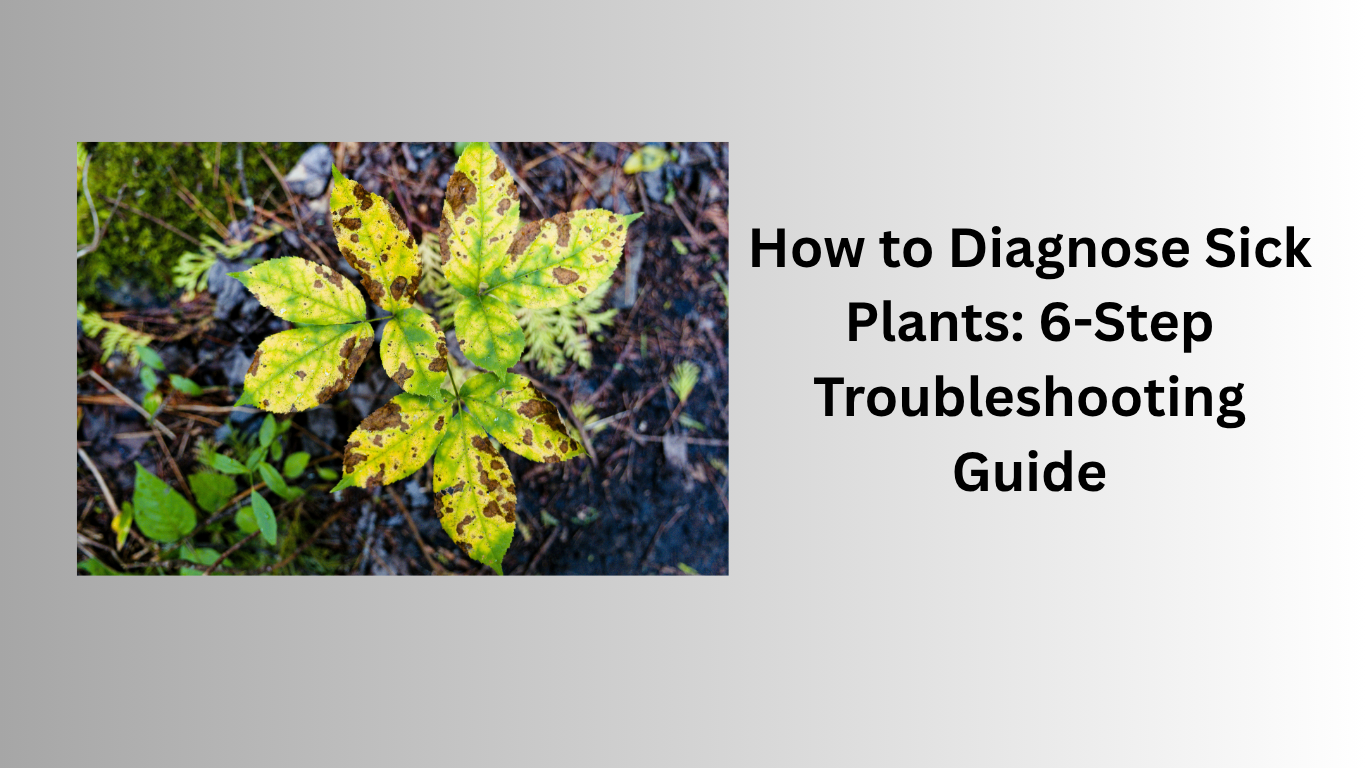
6 methods to cure your Sick Plants at home.
6 methods to cure your Sick Plants at home. When a plant shows signs of distress, it is easy to assume the worst and throw random fertilizers, pest sprays, and extra water at it. However, unneeded treatments often aggravate the problem. Diagnosing a sick plant requires a structured, process-of-elimination approach—much like a medical triage.
3 Things to Do Right Now
- Isolate the plant: Move it at least 6 feet away from other plants immediately to stop the spread of mobile pests like thrips or airborne fungal spores.
- Stop fertilizing: Never feed a sick or stressed plant. Excess mineral salts from fertilizers burn compromised root systems and accelerate dehydration.
- Check moisture depth: Insert a wooden chopstick or moisture meter 2–3 inches into the soil before adding a single drop of water.
Step 1: Check Your Plants Conditions
Before you can diagnose what is wrong with a plant, you must understand what “healthy” looks like for that specific species.
Plant Identification & Natural Lifecycle
A common diagnostic misstep is confusing natural physiological processes with disease. For instance, evergreen houseplants like Ficus benjamina naturally shed up to 20% of their foliage when indoor light levels drop in autumn. Similarly, the lowest, oldest leaves on plants like Monstera deliciosa, Pothos, or Peperomia age out, turn yellow, and drop off one by one over time.
Always confirm your plant’s exact botanical name using a [plant identification app or guide]. A succulent like a Echeveria stores water in thick, fleshy leaves and requires dry soil cycles, whereas a Calathea or maidenhair fern thrives in high humidity and consistently moist media.
Environmental Norms
Review the environmental conditions your plant species requires versus what it is currently receiving:
- Light: Is it receiving direct sun, bright indirect light, or low ambient light?
- Humidity: Is the ambient relative humidity above 40% (ideal for tropicals)?
- Temperature: Has the plant been exposed to cold drafts from air conditioners or hot air blasts from heating vents?
Step 2: Read the Leaves about leaf discoloration
Leaves act as the primary display panel for a plant’s internal health. Observing the pattern, location, and texture of leaf discoloration provides immediate diagnostic clues.
                  [ LEAF DIAGNOSTIC QUICK-MAP ]
                                |
       +------------------------+------------------------+
       |                                                 |
[ YELLOW LEAVES ]                                 [ BROWN LEAVES ]
  |-- Soft/Soggy -> Overwatering                    |-- Crispy Tips -> Low Humidity/Salts
  |-- Firm/Lower -> Nitrogen Deficiency             |-- Soft Spots -> Fungal/Bacterial Spot
  |-- Green Veins -> Iron Deficiency                |-- Crunchy/Drying -> Underwatering
How do you diagnose leaf discoloration?
To diagnose leaf discoloration on a sick plant, inspect where the change occurs and the leaf’s texture:
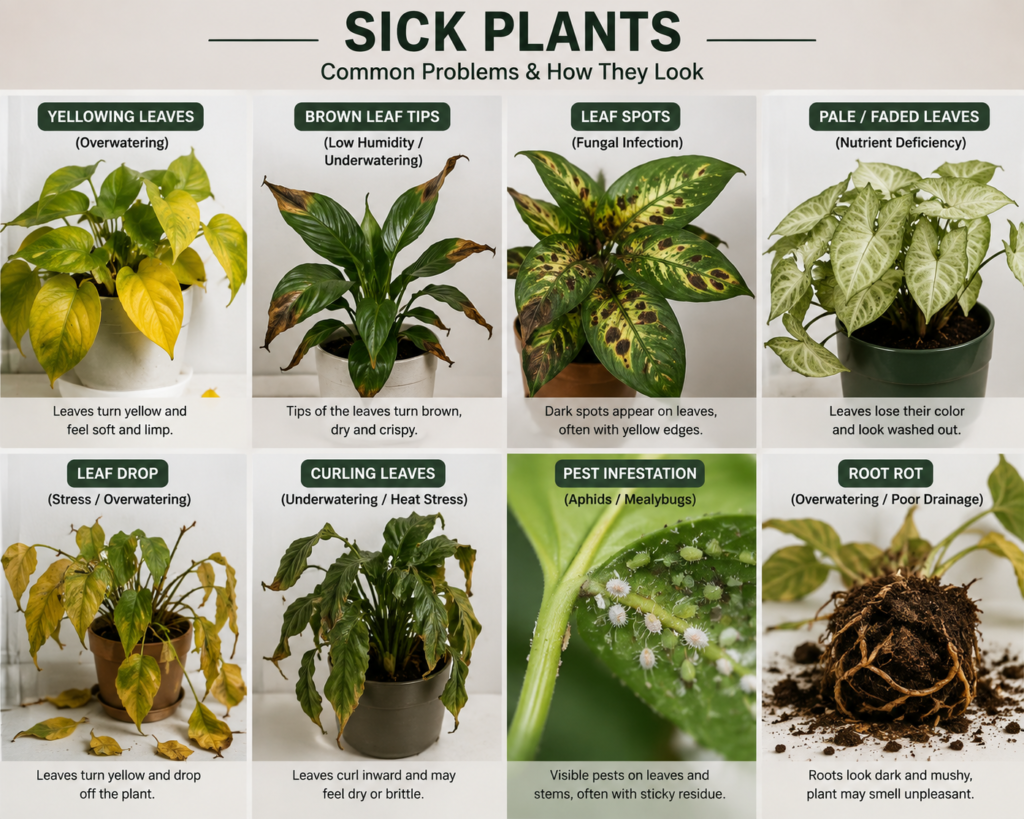
- Yellowing soft leaves signal root-zone moisture excess or rot.
- Yellowing between green veins signals a micronutrient deficiency (like iron or magnesium).
- Crispy brown tips signal low relative humidity, draft exposure, or tap water mineral buildup.
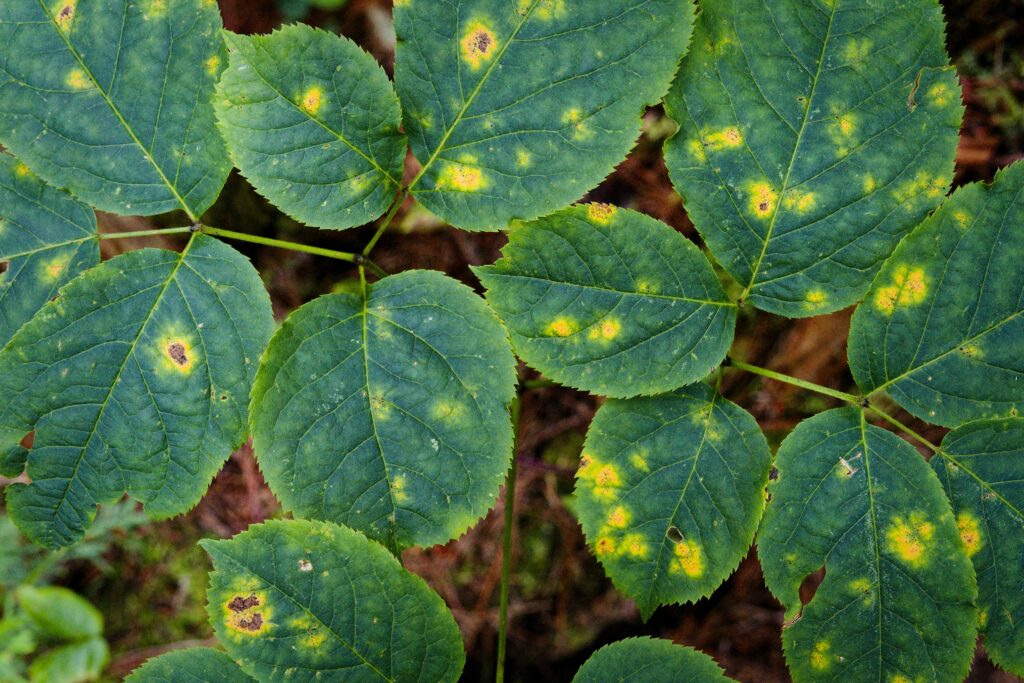
- Dark brown water-soaked spots signal bacterial or fungal leaf spot infections.
Leaf Color Changes: What They Mean
- Yellow Leaves (Chlorosis): Widespread yellowing across lower leaves usually points to root-zone issues—most commonly overwatering, poor drainage, or nitrogen deficiency.
- Brown Tips vs. Whole Brown Leaves: Crispy brown tips indicate environmental dryness (low humidity or excess soil salts from hard tap water). Soft, dark brown or black spots across the leaf surface indicate fungal leaf spot or root decay.
- Black or Water-Soaked Spots: Dark spots with a yellow ring or “halo” around them typically signal a bacterial infection (such as Xanthomonas).
Leaf Texture & Deformation
- Wilting or Drooping: Can indicate either underwatering (cells losing turgor pressure) OR overwatering (roots rotting and failing to absorb water).
- Curling & Stunting: Often caused by sap-sucking pests (thrips, aphids) or viral pathogens.
- Sticky Residue: A clear, sticky sheen on leaves (“honeydew”) is a definitive sign of scale, mealybugs, or aphids feeding overhead.
Visual Symptom-to-Cause Quick Reference Matrix
| Visible Symptom | Primary Suspect | Secondary Suspect | First Action Step |
|---|---|---|---|
| Yellowing lower leaves, soft stems | Overwatering / Root Rot | Nitrogen Deficiency | Check soil depth; hold off on water |
| Crispy brown leaf tips / margins | Low Humidity / Tap Water Salts | Underwatering | Group plants; switch to distilled water |
| Powdery white film on leaves | Powdery Mildew (Fungus) | Poor Air Circulation | Increase airflow; apply neem oil/fungicide |
| Fine webbing under leaves | Spider Mites | Dry/Hot Air Environment | Wipe down foliage; spray with insecticidal soap |
| Interveinal chlorosis (yellow leaves, green veins) | Iron/Magnesium Deficiency | High Soil pH | Check soil pH; apply chelated iron |
Step 3: Biotic vs. Abiotic Stress
Plant stressors fall into two broad categories: abiotic (non-living environmental factors) and biotic (living organisms like insects, fungi, and bacteria).
Abiotic Stressors (Environmental & Cultural)
Abiotic problems account for roughly 80% of all indoor houseplant issues. The most frequent culprit is improper watering technique.
Overwatering vs. Underwatering Comparison
| Feature | Overwatered Plant | Underwatered Plant |
|---|---|---|
| Leaf Texture | Soft, limber, squishy | Dry, crispy, papery |
| Soil Condition | Soggy, slow to dry, foul odor | Bone dry, pulled away from pot edge |
| Lower Leaves | Yellow and drop while soft | Yellow/brown and drop while dry |
| Root Health | Brown, mushy, decaying | Light-colored, dry, brittle |
- Light Extremes: Too much direct sun bleaches foliage, leaving pale, washed-out leaves or brown scorched patches. Too little light causes etiolation—weak, stretched stems with small, widely spaced leaves as the plant reaches toward the nearest window.
Biotic Stressors (Pests & Pathogens)
Common Insect Pests
- Spider Mites: Tiny arachnids that thrive in dry air. Look for fine silk webbing on leaf undersides and speckled yellow dots (stippling) across the top surface.
- Mealybugs: Look like small bits of white, fluffy cotton tucked into leaf axils, stem joints, and under pot rims.
- Scale Insects: Hard, oval, shell-like brown bumps attached firmly to stems and leaf veins that do not brush off easily.
- Fungus Gnats: Small black flies hovering around the soil surface; their larvae feed on decaying organic matter and fine root hairs in soggy potting soil. Learn how to [eliminate fungus gnats in houseplants] using targeted Bacillus thuringiensis israelensis (BTI) treatments.
Fungal vs. Bacterial Infections
- Powdery Mildew: A dusty white or gray coating across leaf surfaces, common in high humidity with stagnant airflow.
- Bacterial Leaf Spot: Causes irregular, water-soaked brown lesions that spread rapidly across foliage in warm, wet conditions.
Step 4: Inspect Below the Surface Roots & Soil Health
When foliage symptoms remain ambiguous, the true answer almost always lies underground.
Root Health Check
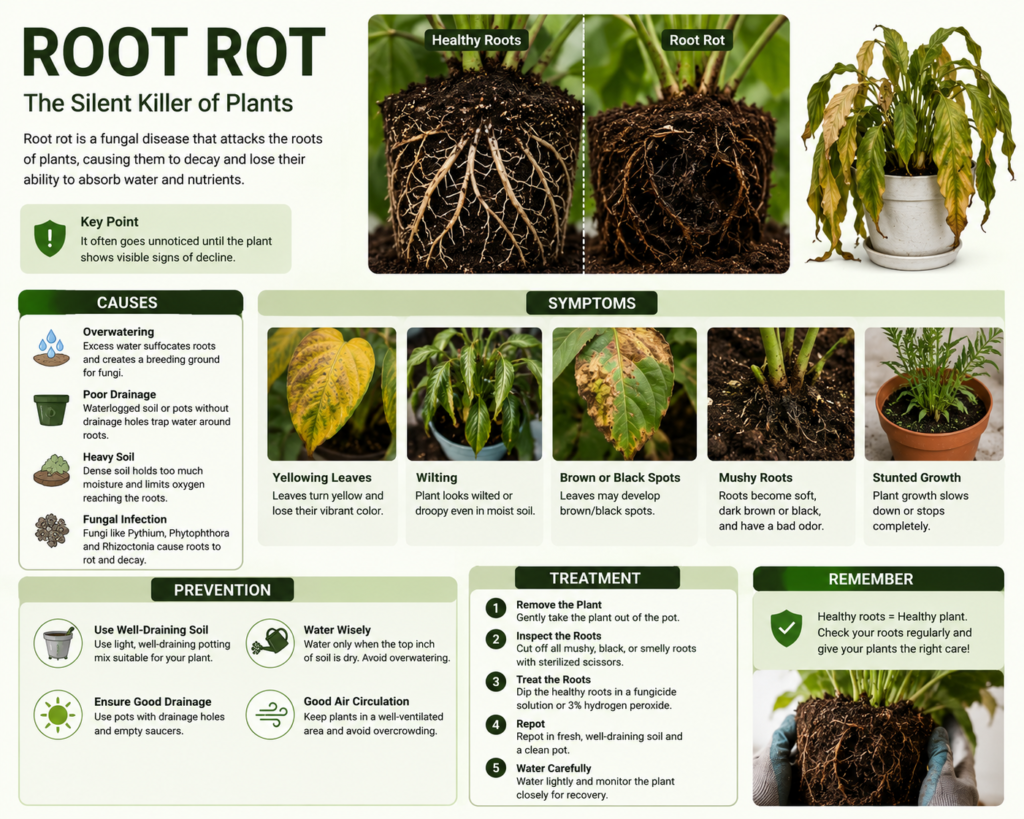
Healthy roots are firm, flexible, and white or light tan. Unhealthy roots suffering from root rot (Pythium or Phytophthora fungal pathogens) are dark brown or black, feel mushy, slough off easily when touched, and emit a sour, swampy odor.
How to safely inspect roots:
- Support the main stem near the soil line with one hand.
- Tilt the pot sideways and gently tap the rim against a firm surface.
- Slide the root ball out smoothly without yanking the stem.
Soil Issues & Chemical Buildup
- Hydrophobic Soil: Peat-based potting mixes that dry out completely become hydrophobic, repelling water down the inside edges of the pot while leaving the inner root core bone dry. Bottom-watering in a basin for 30 minutes restores hydration.
- Mineral/Salt Crust: A crusty white buildup on top of the soil mix or around drainage holes indicates mineral accumulation from tap water or excessive fertilizer applications. Flush the soil with 3–4 volumes of distilled water to leach out excess salts.
Step 5: Mobile vs. Immobile Nutrient Deficiencies
If environmental factors and pests are ruled out, your plant may be suffering from a nutrient imbalance. Nutrients behave differently within plant tissue based on their mobility.
       [ NEW / TOP GROWTH ]
     Immobile Deficiency Shows Here
     (e.g., Calcium, Iron, Boron)
                |
                |
       [ OLD / LOWER GROWTH ]
     Mobile Deficiency Shows Here
     (e.g., Nitrogen, Phosphorus, Potassium)
Mobile Nutrients
- Key Elements: Nitrogen (N), Phosphorus (P), Potassium (K), Magnesium (Mg).
- Behavior: When the plant lacks these elements, it reallocates them from older foliage to sustain new, emerging growth.
- Symptom Location: Symptoms (widespread yellowing, purple leaf undersides) appear first on older, lower leaves.
Immobile Nutrients
- Key Elements: Calcium (Ca), Iron (Fe), Sulfur (S), Boron (B).
- Behavior: The plant cannot move these elements once deposited in cell walls and tissues.
- Symptom Location: Symptoms (stunted new leaves, interveinal chlorosis on top leaves) appear first on fresh, emerging growth. For a full visual breakdown, see our complete [plant nutrient deficiency guide].
Step 6: Create Your Plant Recovery Plan
Once you have identified the primary cause, execute a deliberate recovery strategy.
Treatment Protocols
How to Treat Root Rot
- Slide the plant out of its container and gently rinse away infected soil under cool running water.
- Using shears sanitized with 70% isopropyl alcohol, prune away all soft, black, rotten root tissue back to healthy white root growth.
- Dip or spray the remaining healthy root ball with a diluted solution of 3% hydrogen peroxide (1 part peroxide to 4 parts water) to eliminate remaining fungal spores.
- Repot in fresh, well-draining potting mix containing perlite or orchid bark, using a clean container with functional drainage holes.
How to Treat Pest Infestations
- Mechanically spray foliage down in the shower or sink with lukewarm water to knock down high insect populations.
- Thoroughly coat all leaf surfaces, stem joints, and leaf undersides with cold-pressed neem oil or an insecticidal soap spray.
- Reapply the treatment every 5–7 days for 3 consecutive weeks to disrupt newly hatched nymph cycles.
The Post-Diagnosis Care Period
Recovery requires patience. Avoid the temptation to apply fertilizer immediately after repotting or pest treatment, as fresh soil already contains adequate nutrients and compromised roots cannot process heavy feeds. Place the plant in bright, indirect light and maintain consistent, conservative watering until fresh, healthy growth signals full recovery.
Frequently Asked Questions (FAQ)
How do I know if my plant is overwatered or underwatered?
Check the leaf texture and soil condition together. Overwatered plants typically exhibit soft, limber, yellowing foliage paired with wet, heavy soil that stays damp for days. Underwatered plants feature dry, papery, or curling leaves paired with light, bone-dry soil that shrinks away from the container edges.
Should I cut off dying yellow leaves?
Yes. Once a leaf turns more than 50% yellow or brown, it can no longer photosynthesize effectively and consumes vital metabolic energy. Removing affected leaves using clean pruning shears allows the plant to direct its energy toward producing healthy new foliage.
Can a plant recover from severe root rot?
Yes, provided at least 30–40% of the root system remains firm and healthy. Trimming away all rotten roots, treating the remaining roots with diluted hydrogen peroxide, and repotting into fresh, airy potting soil will give the plant a strong chance of recovery.
Why are the tips of my indoor plant leaves turning brown?
Brown leaf tips are commonly caused by low ambient air humidity, inconsistent watering schedules, or mineral accumulation from tap water (chlorine, fluoride, and sodium). Switch to filtered or distilled water and boost room humidity with a nearby humidifier.
How long does it take for a sick plant to show recovery?
Most houseplants require 2 to 4 weeks to demonstrate visible stabilization after the underlying cause is corrected. The appearance of firm, brightly colored new stems or leaf buds is the ultimate indicator of successful recovery.
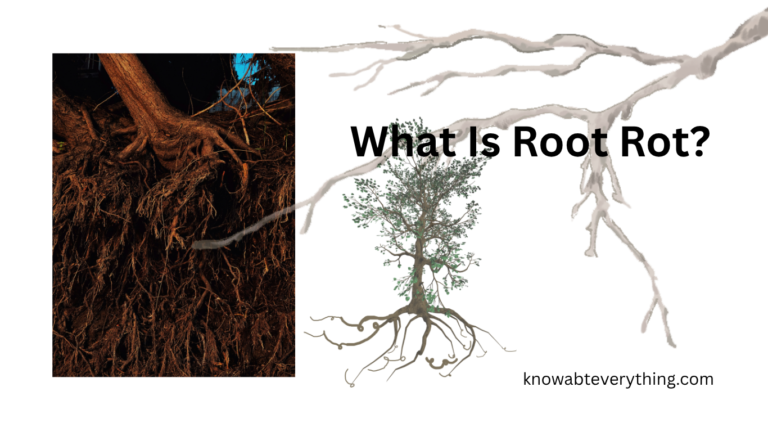
Read about What Is Root Rot? Fix Your Damage Plants Roots – knowabteverything
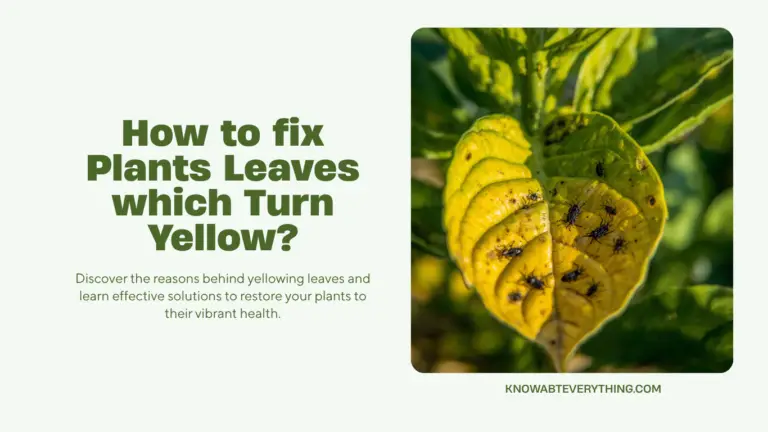
How to fix Plants Leaves which Turn Yellow? – knowabteverything
How to take care of Indoor Plants? – knowabteverything
When to Water your Plants in Day or Night? – knowabteverything
Which are the Best Organic Fertilizers for Indoor Plants? – knowabteverything
31 Balcony Railing Planter Ideas: The Complete Design Mounting & Safety Guide – knowabteverything
Best Lightweight Potting Soil for Container Gardens (2026 Guide) – knowabteverything
Plant Disease Identification – Identify Sick Plants By Leaf Pictures
2 Comments