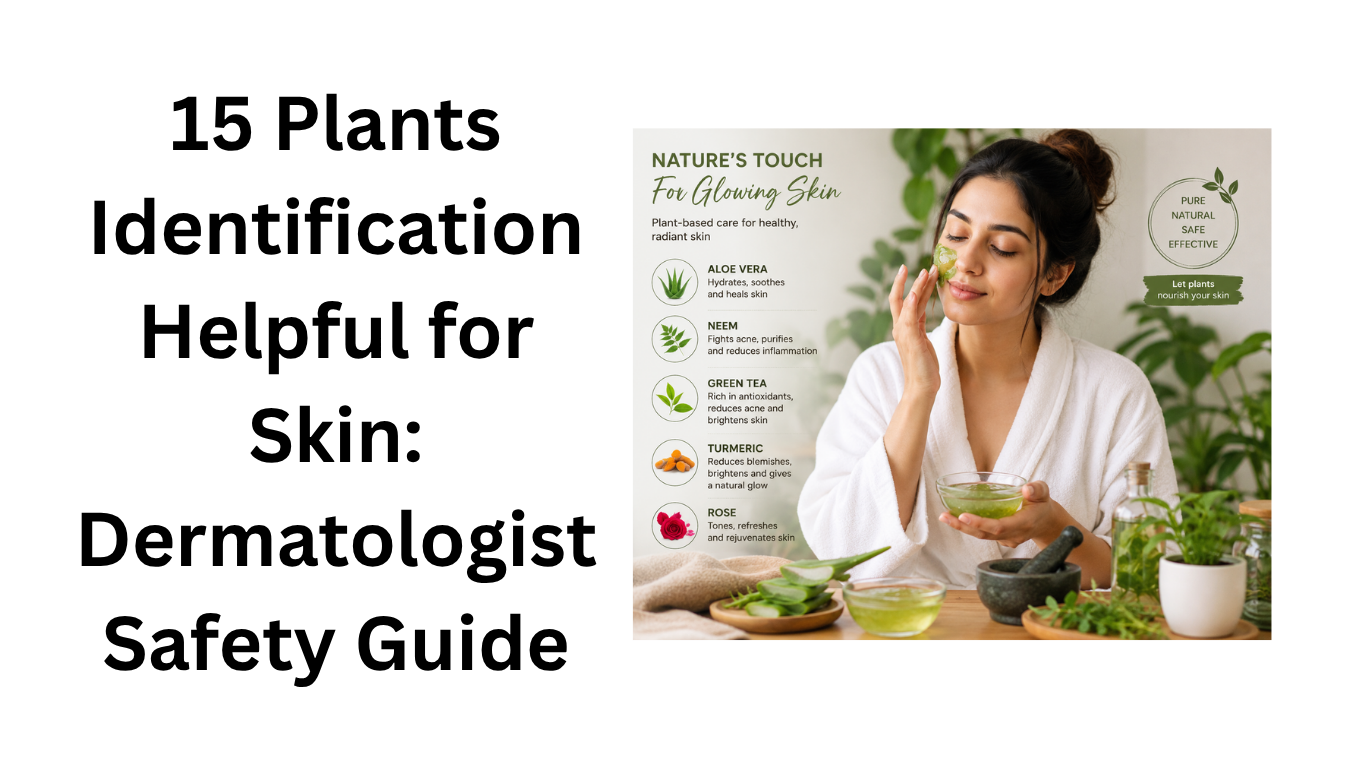
15 Plants Identification Helpful for Skin: Dermatologist Safety Guide
(15 Plants Identification Helpful for Skin: Dermatologist Safety Guide) Medical Disclaimer & Editorial Integrity: This article is grounded in peer-reviewed dermatological literature and phytochemical research. It is intended for informational purposes only and does not replace professional dermatological advice.
The global beauty industry has experienced a massive shift toward botanical cosmeceuticals. Driven by a desire to avoid harsh synthetic chemicals, millions of consumers are looking to natural remedies for acne, hyperpigmentation, premature aging, and sensitive skin flare-ups.
However, a dangerous misconception persists in clean beauty: “If an ingredient comes from a plant, it is automatically safe for your skin.”
Plants contain hundreds of complex chemical compounds. While isolated botanical extracts can repair a compromised skin barrier, applying raw, unfiltered garden foliage directly to your face can lead to severe contact allergic reactions, chemical burns, or phototoxicity. Understanding which plants work, why they work on a molecular level, and how to apply them safely is essential for achieving healthy skin.
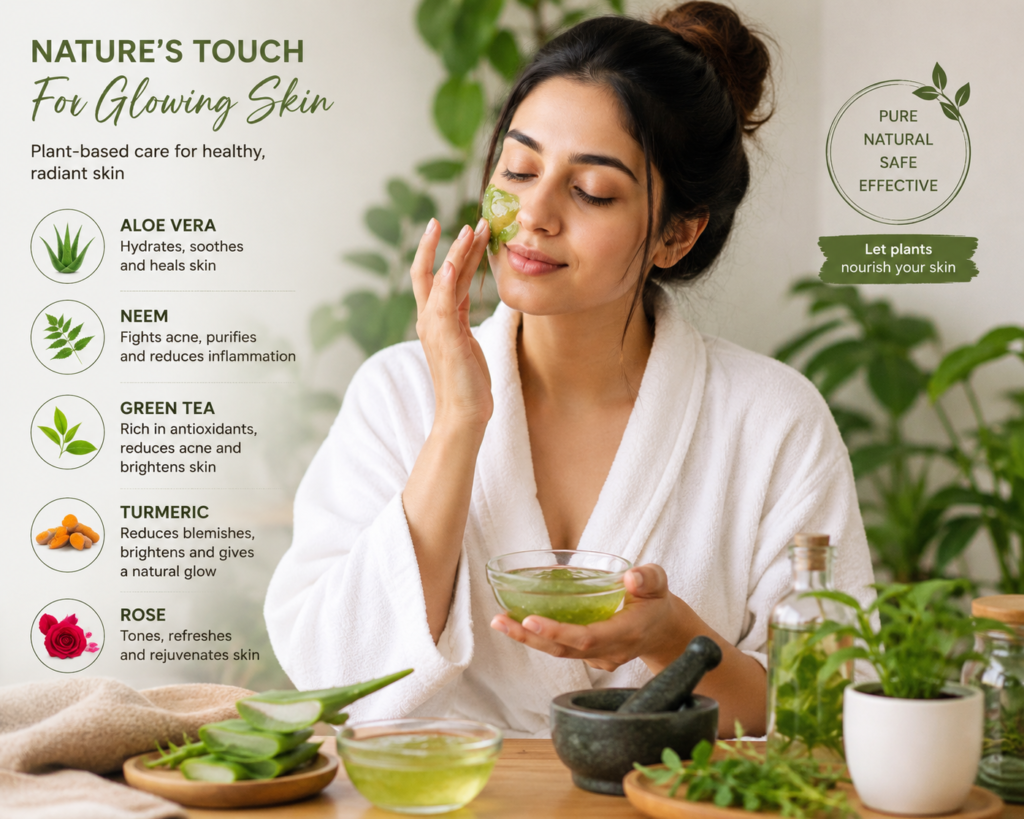
What Makes Plants Helpful for Human Skin?
Plants are helpful for skin because they produce bioactive phytochemicals—specifically polyphenols, flavonoids, terpenoids, and essential fatty acids. These active compounds neutralize free radicals, reduce inflammation, repair the stratum corneum barrier, and inhibit acne-causing bacteria like Cutibacterium acnes.
Polyphenols & Flavonoids – Neutralize UV-induced free radicals and reduce
premature photoaging and collagen degradation.
Terpenoids – Deliver powerful antibacterial and antifungal
properties to clear acne-causing micro-organisms
Tannins – Act as natural astringents to temporarily shrink
visible pores and control excess facial oil.
Plants produce secondary metabolites to protect themselves against UV radiation, pathogens, and environmental stressors. When refined and applied topically in safe dosages, these same molecules interact with human cutaneous cells:
- Primary Metabolites (Lipids & Fatty Acids): Fatty acids such as linoleic and oleic acids rebuild the skin’s protective lipid barrier, preventing Transepidermal Water Loss (TEWL). (Internal Link: [Understanding Skin Barrier Repair Oils])
- Secondary Metabolites (Bioactive Compounds): Antioxidants and anti-inflammatory agents target cellular pathways to calm redness and accelerate cell regeneration.
Safe Application: Raw Garden Plants vs. Formulated Extracts
Applying raw plants directly from your garden introduces three major dermatological risks:
- Phototoxicity (Phytophotodermatitis): Citrus leaves, celery, and wild herbs contain furocoumarins. When applied to skin exposed to sunlight, they trigger severe blistering and deep pigmentation.
- Contact Dermatitis: Concentrated plant saps contain potent irritants, such as the yellow latex layer (aloin) in raw aloe vera leaves.
- Microbial Contamination: Unsterilized garden plants harbor soil-borne pathogens that can cause secondary infections in open acne lesions.
Raw Plant Safety & Application Matrix
| Plant Name | Safe Raw Application? | Active Chemical Compound | Primary Benefit | Safety & Dilution Precaution |
| Aloe Vera | Yes (with preparation) | Aloesin & Acemannan | Deep hydration & burn repair | Drain yellow aloin sap thoroughly to prevent contact dermatitis. |
| Tea Tree | No (Never raw) | Terpinen-4-ol | Antimicrobial acne treatment | Must be diluted to 1–5% in a carrier oil (Jojoba/Squalane). |
| Turmeric | Yes (As topical paste) | Curcuminoids (Curcumin) | Anti-inflammatory & brightening | Stains skin yellow; perform a wrist patch test first. |
| Calendula | Yes (Infused water/oil) | Faradiol & Flavonoids | Soothing eczema & redness relief | Avoid if allergic to the Asteraceae (Daisy) plant family. |
| Neem | Yes (Diluted oil/paste) | Nimbin & Azadirachtin | Purifying & anti-fungal treatment | Highly pungent; high concentrations irritate sensitive skin. |
15 Best Botanical Plants for Specific Skin Concerns
1. Best Plants for Hydration & Barrier Repair
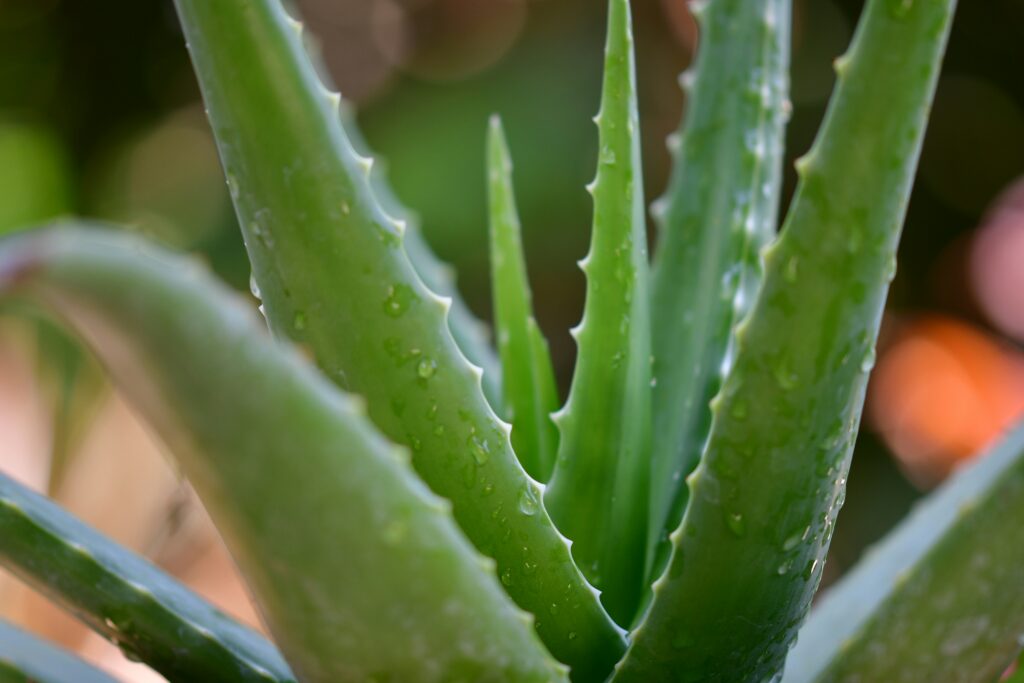
Aloe Vera (Aloe barbadensis Miller)
- Key Compounds: Acemannan (polysaccharide), Aloesin, Vitamins C & E.
- Mechanism: Acemannan binds water molecules directly to the stratum corneum while stimulating dermal fibroblast activity to accelerate healing.
- Practical Example: Cut a fresh leaf vertically, let it stand upright in a glass for 15 minutes to drain the yellow, irritating latex (aloin), then scrape out the clear gel for immediate soothing relief.
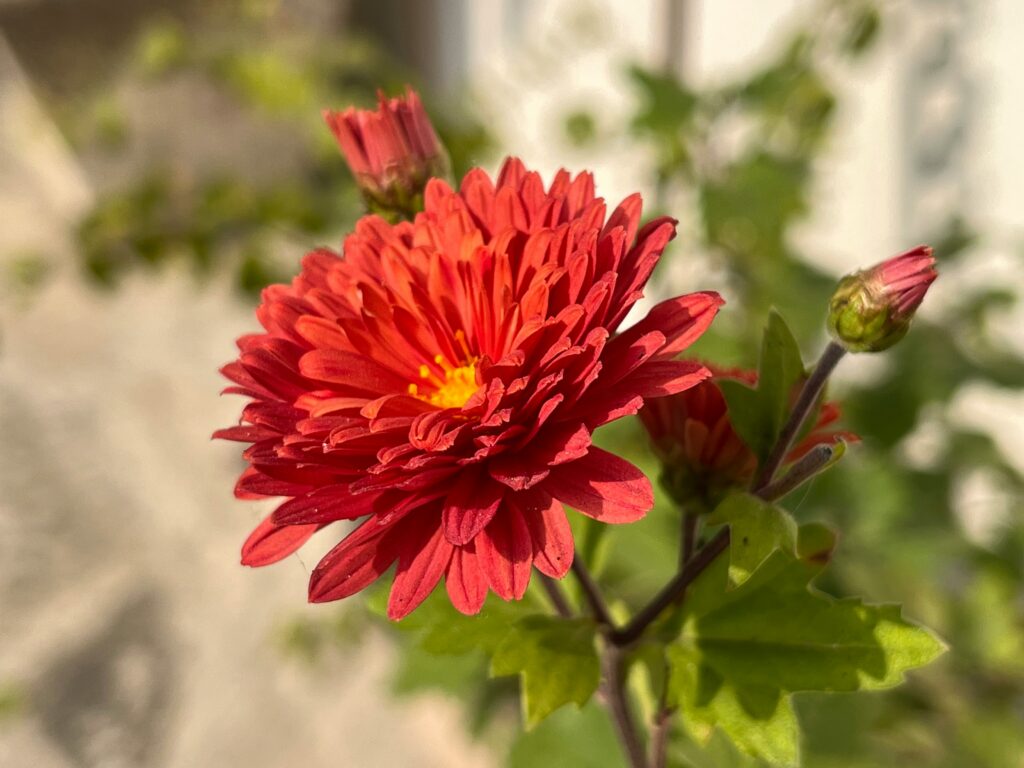
Safflower (Carthamus tinctorius)
- Key Compounds: High-density Linoleic Acid (Omega-6), Vitamin E.
- Mechanism: Restores missing intercellular lipids in dehydrated skin barriers, stopping flakiness without clogging pores. (Internal Link: [Best Oils for Acne-Prone Skin])
2. Best Plants for Acne-Prone & Oily Skin
Tea Tree (Melaleuca alternifolia)
- Key Compounds: Terpinen-4-ol.
- Mechanism: Penetrates follicular ducts to disrupt the cellular membranes of Cutibacterium acnes. Clinical trials demonstrate that a 5% tea tree formulation provides comparable efficacy to 5% benzoyl peroxide, with significantly less peeling and erythema.
- Practical Example: Mix 2 drops of pure tea tree essential oil into 1 tablespoon (15ml) of jojoba oil for a safe 0.5–1% spot-treatment solution.
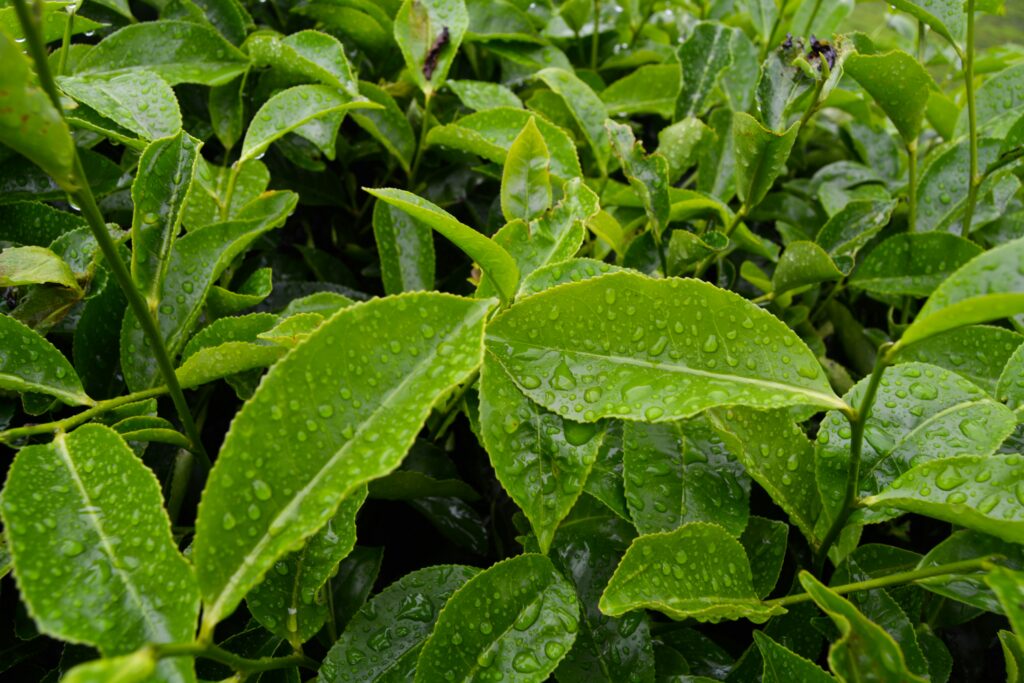
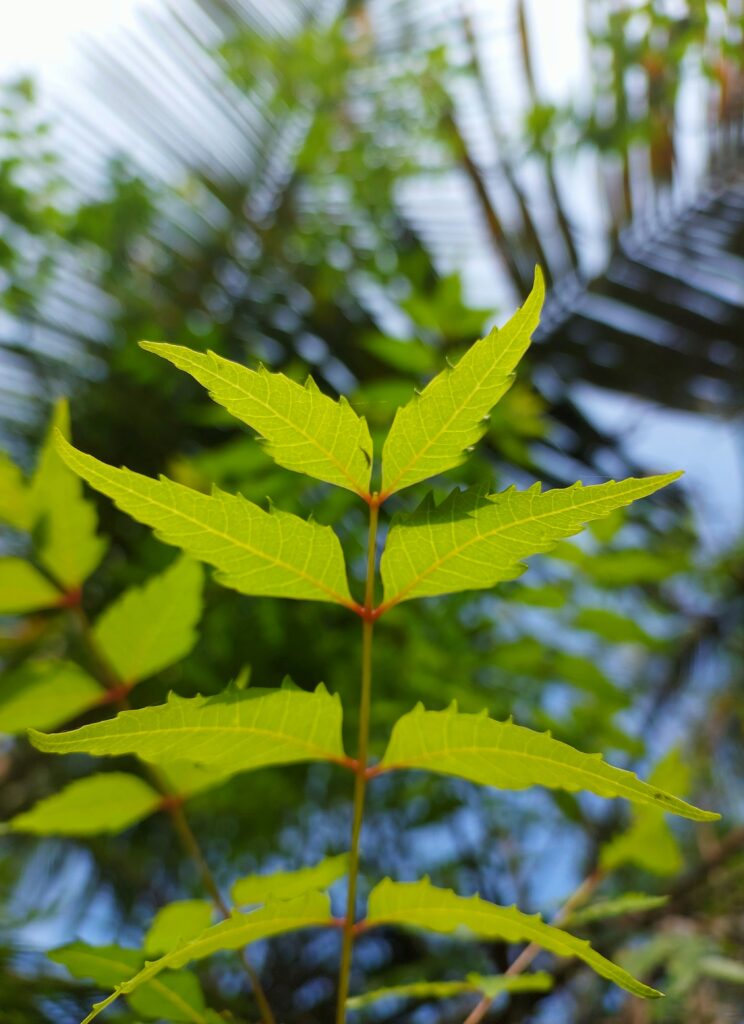
Neem (Azadirachta indica)
- Key Compounds: Nimbin, Azadirachtin.
- Mechanism: Powerful antibacterial properties clear deep fungal and bacterial breakouts while regulating local inflammation.
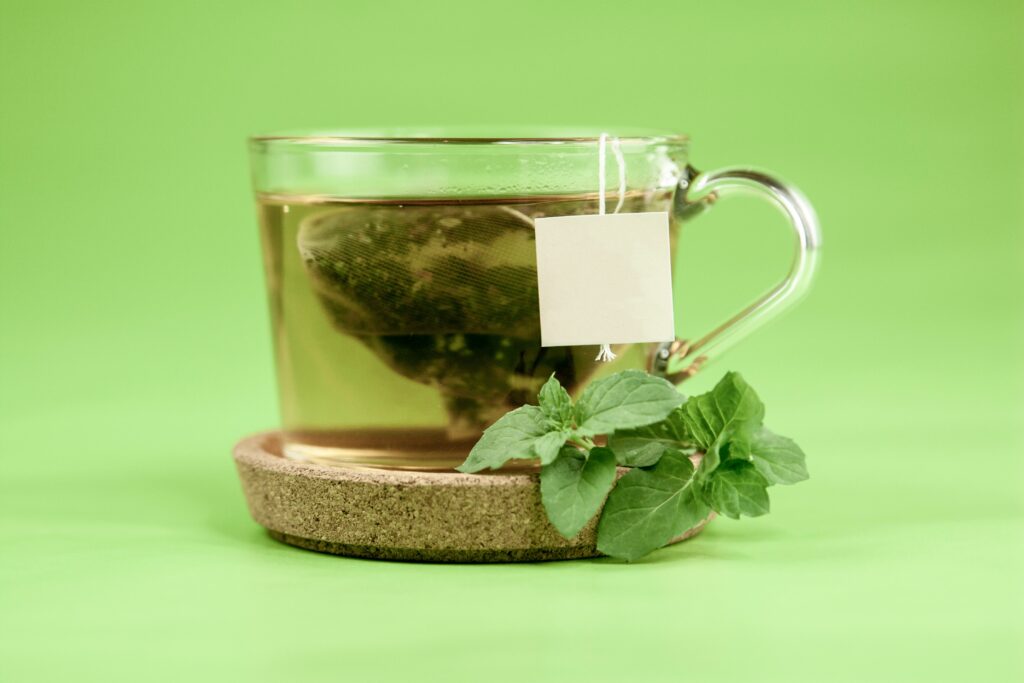
Green Tea (Camellia sinensis)
- Key Compounds: Epigallocatechin Gallate (EGCG).
- Mechanism: EGCG inhibits 5-alpha-reductase, the enzyme responsible for sebum-producing hormonal signals, effectively cutting excess oil production at the root.
3. Best Plants for Redness, Rosacea & Inflammation
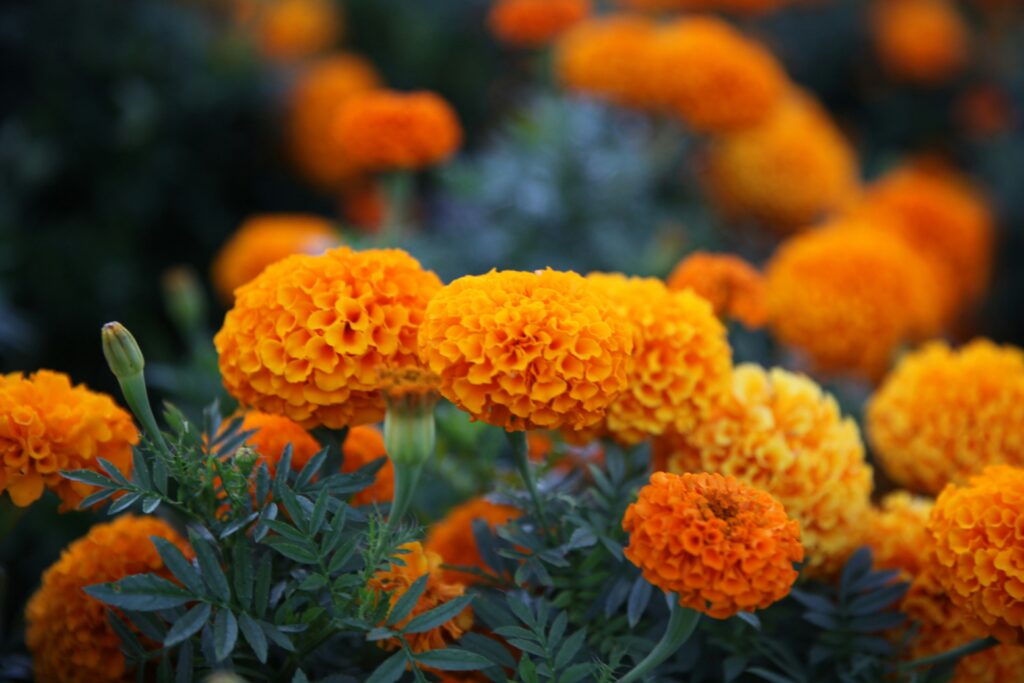
Calendula / Marigold (Calendula officinalis)
- Key Compounds: Faradiol monoesters, Carotenoids.
- Mechanism: Suppresses pro-inflammatory cytokines, calming eczema flare-ups and minor skin abrasions.
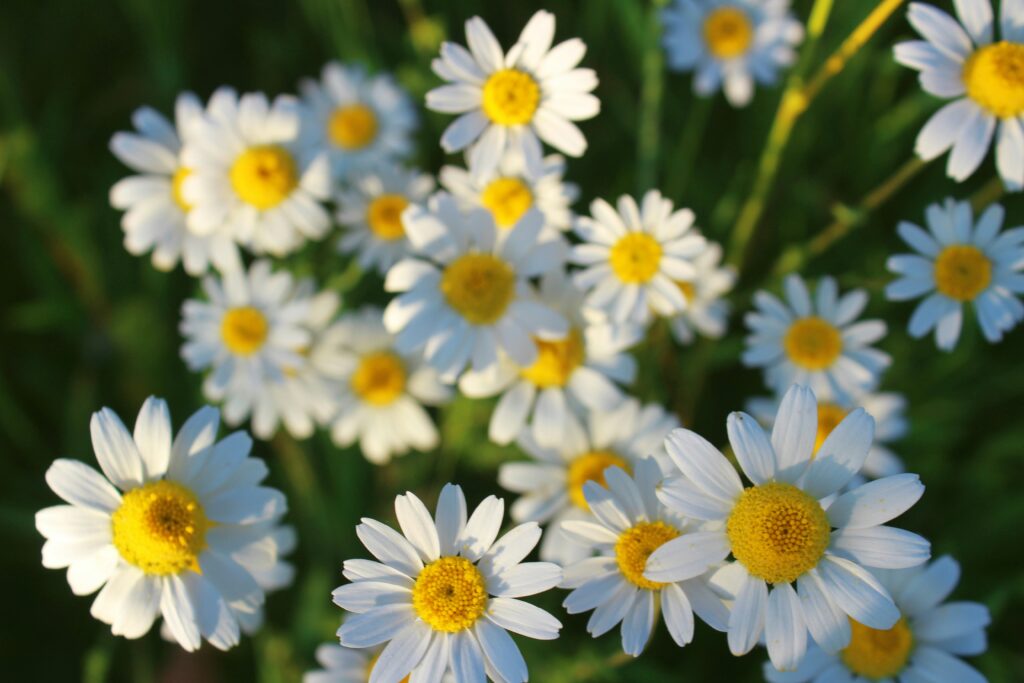
Chamomile (Matricaria chamomilla)
- Key Compounds: Alpha-Bisabolol, Chamazulene.
- Mechanism: Bisabolol blocks the inflammatory cascade and histamine release, making it ideal for reactive skin types prone to flushing.
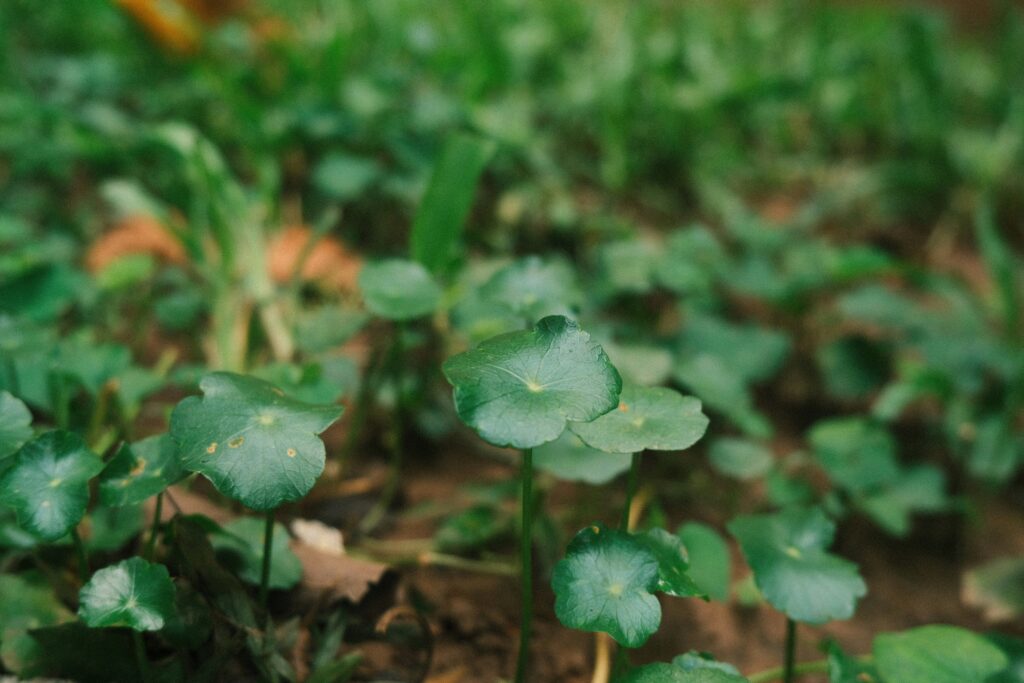
Centella Asiatica / Gotu Kola (Centella asiatica)
- Key Compounds: Madecassoside, Asiaticoside.
- Mechanism: Stimulates Type I collagen synthesis and strengthens micro-vessel walls to eliminate persistent facial redness. (Internal Link: [Guide to Centella Asiatica Skincare])
4. Best Plants for Hyperpigmentation & Brightening
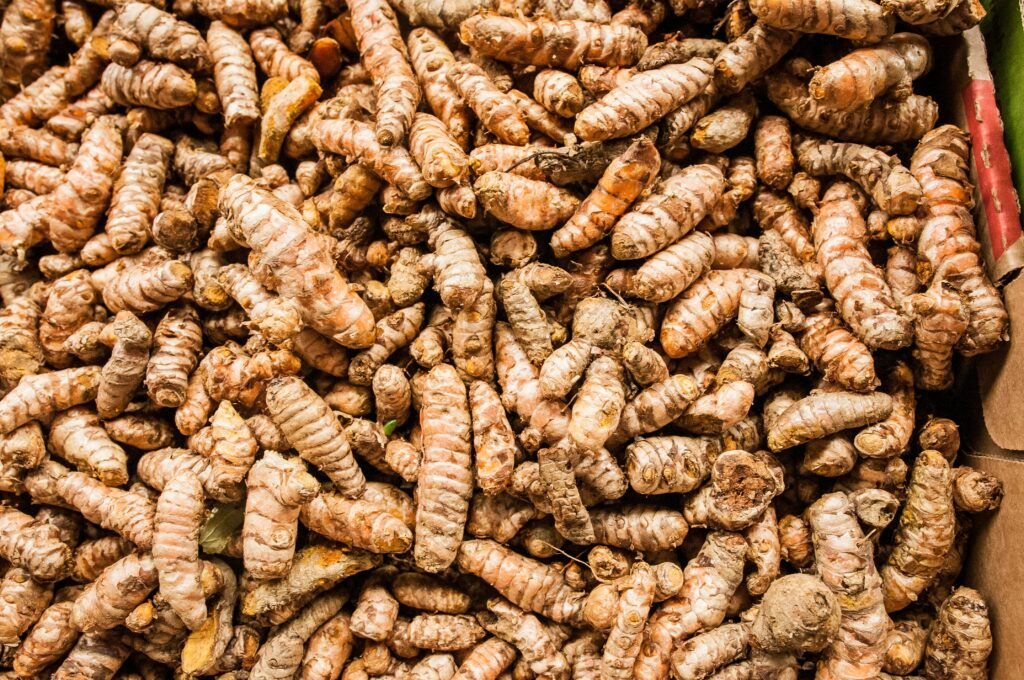
Turmeric (Curcuma longa)
- Key Compounds: Curcumin.
- Mechanism: Suppresses melanin synthesis by inhibiting intracellular tyrosinase enzyme activity, accelerating the fading of post-inflammatory hyperpigmentation (PIH).
- Practical Example: Combine 1/4 teaspoon turmeric powder with 2 tablespoons plain Greek yogurt (lactic acid) for a brightening 10-minute facial mask.
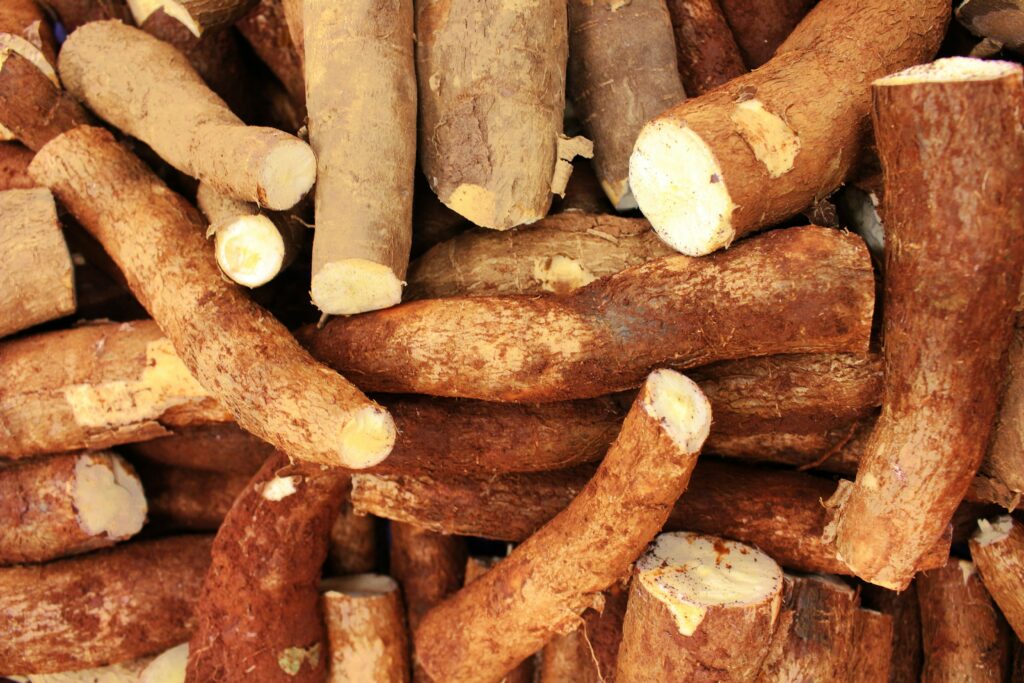
Licorice Root (Glycyrrhiza glabra)
- Key Compounds: Glabridin, Liquiritin.
- Mechanism: Glabridin prevents UV-induced pigmentation by blocking tyrosinase without destroying melanocytes, while liquiritin active compounds break down existing surface dark spots.
5. Best Plants for Anti-Aging & Collagen Renewal
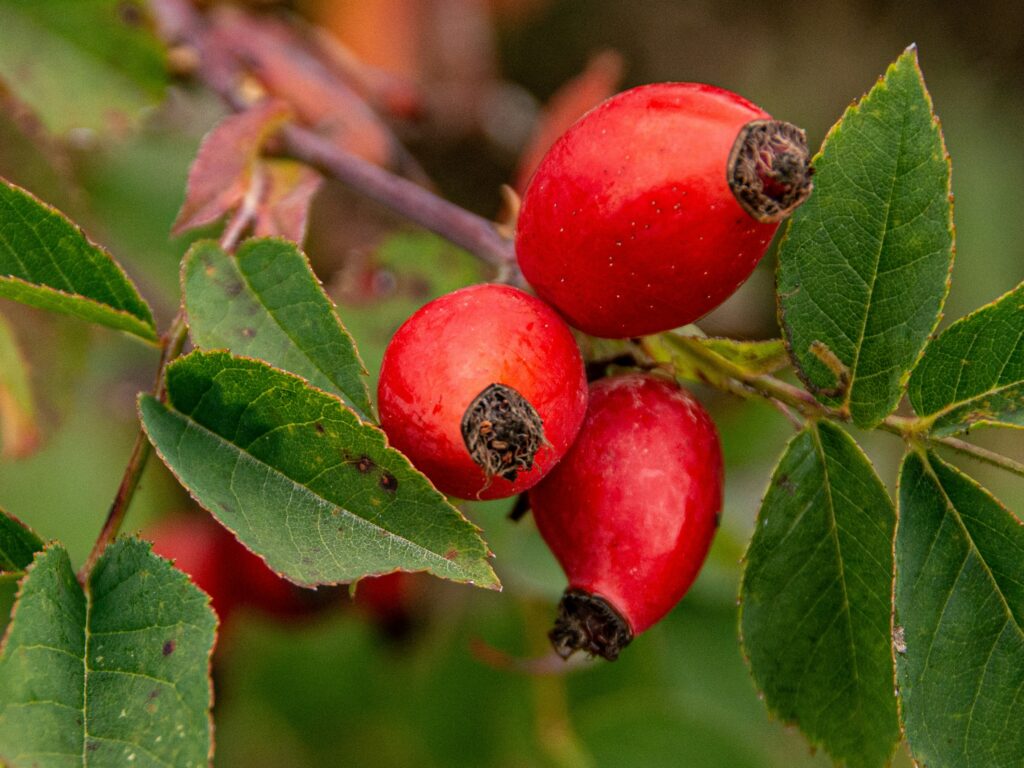
Rosehip (Rosa canina)
- Key Compounds: All-trans retinoic acid (natural Vitamin A precursor), Essential Fatty Acids.
- Mechanism: Accelerates epidermal cell turnover and rebuilds dermal collagen structures, smoothing fine lines and refining skin texture.
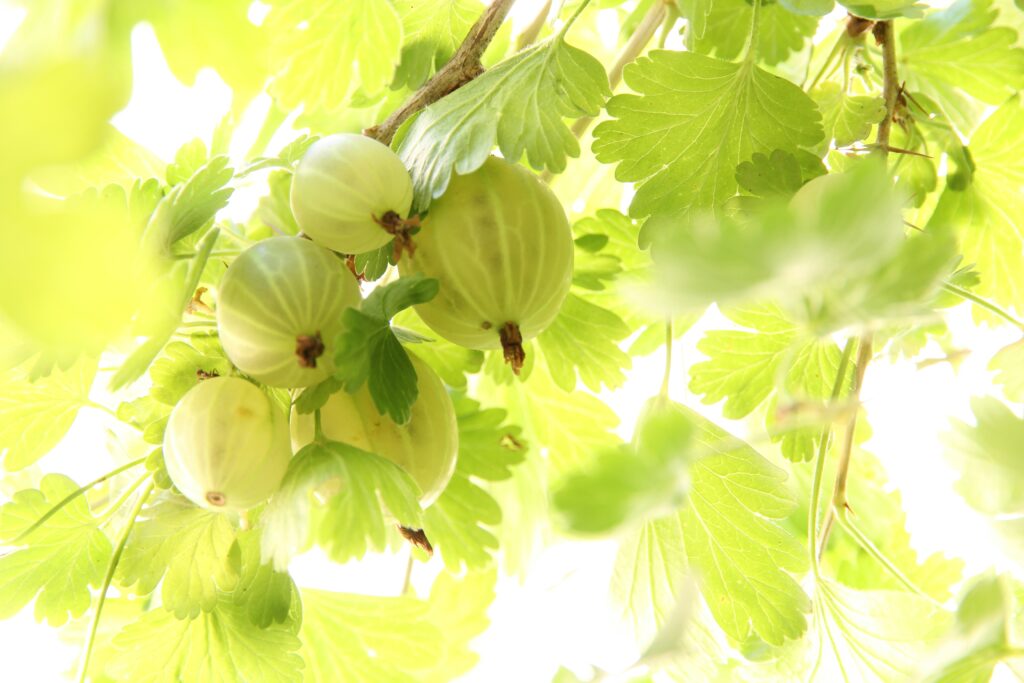
Amla / Indian Gooseberry (Phyllanthus emblica)
- Key Compounds: Highly stable Ascorbic Acid (Vitamin C), Gallic Acid.
- Mechanism: Protects the structural collagen framework against degradation by Matrix Metalloproteinase (MMP) enzymes triggered by UV exposure.
Do Indoor Houseplants Improve Skin Hydration?
Beyond topical formulations, indoor foliage can subtly enhance your environment to support skin health:
- Transpiration & Relative Humidity: Plants like Snake Plants (Sansevieria) and Peace Lilies (Spathiphyllum) release up to 97% of absorbed water back into indoor air as moisture vapor. Placing 3–4 high-transpiration plants in a small bedroom can increase ambient humidity by 5–10%, helping to reduce overnight transepidermal water loss.
- Air Purification Reality: While houseplants absorb minor volatile organic compounds (VOCs) like formaldehydes in sealed laboratory environments, real-world living spaces require dozens of plants per square meter to significantly impact air purity for dermatological benefit.
How to Prepare Safe Plant Treatments at Home
Follow this step-by-step protocol to prepare home treatments without contaminating your skin:
1.Perform a 24-Hour Patch Test: Prevents widespread allergic reactions.
Apply 2–3 drops of your prepared plant mixture onto your inner forearm. Cover with a bandage and wait 24 to 48 hours. Discontinue immediately if itching, bumps, or redness develop.
2.Sterilize Preparation Equipment: Eliminates bacterial growth.
Boil all glass dropper bottles and mixing tools in water for 10 minutes, then wipe with 70% isopropyl alcohol. Homemade natural formulas lack synthetic preservatives and spoil quickly when contaminated.
3.Mix Active Plants into Carrier Bases: Protects skin from raw irritation.
Never apply pure essential oils or intense plant pastes directly to your face. Dilute active ingredients into stable bases:
- For Oily/Acne Skin: Pure Aloe Vera Gel or Jojoba Oil.
- For Dry/Sensitive Skin: Rosewater Hydrosol, Squalane, or Cold-Pressed Sunflower Oil.
4.Refrigerate and Use Promptly:Prevents fungal and mold contamination.
Store water-based plant extracts (teas, decoctions, raw gels) in an airtight glass container inside the refrigerator. Discard all unused portions after 3 to 5 days.
Frequently Asked Questions (FAQs)
Which plant is best for overnight skin glowing?
Aloe Vera paired with Rosehip Seed Oil is the most effective overnight botanical combination. Aloe vera delivers deep hydration to epidermal layers, while rosehip seed oil seals in moisture with essential fatty acids and natural vitamin A derivatives, leaving skin radiant by morning.
Can I apply raw tea tree leaves directly to my face?
No. Raw tea tree leaves and pure, undiluted tea tree essential oil cause chemical burns, contact allergy flare-ups, and skin barrier collapse. Always dilute pure tea tree oil to a 1–2% concentration in a non-comedogenic carrier oil like jojoba before facial application.
Which plants help reduce dark spots and acne scars?
Licorice Root (Glycyrrhiza glabra) and Turmeric (Curcuma longa) are the two most scientifically proven plants for fading dark spots. Licorice contains glabridin, which blocks pigment-producing tyrosinase enzymes, while turmeric’s curcumin calms post-inflammatory hyperpigmentation.
How do I know if I am allergic to a botanical skincare ingredient?
Perform a simple 24-hour wrist patch test. Apply a small drop of the plant gel or diluted oil to your inner wrist or behind your ear. Keep the patch dry and monitor for redness, swelling, burning, or itching over 24 to 48 hours.
Are plant-based skincare ingredients safer than synthetic ones?
Not necessarily. While plants contain rich antioxidant profiles, raw botanicals also contain natural allergens and volatile terpenes. Scientifically formulated, lab-tested plant extracts offer the optimal balance of safety, stability, and dermatological efficacy.
Final Verdict: Building a Balanced Botanical Routine
Botanical ingredients offer potent remedies for diverse skin concerns when used correctly. Always introduce one new plant ingredient at a time, starting with gentle repair options like Aloe Vera, Chamomile, or Centella Asiatica. Gradually add targeted brighteners or antimicrobials as your skin barrier builds tolerance.
Read about Know about snake plant care guide – knowabteverything
How to Protect Balcony Plants from Excess Rain: The Complete Survival Guide – knowabteverything
Top 10 Rainy Season Flowering Plants – knowabteverything
Best Soil Containers for Gardens and home plants – knowabteverything
31 Balcony Railing Planter Ideas: The Complete Design Mounting & Safety Guide – knowabteverything
Which are the Best Organic Fertilizers for Indoor Plants? – knowabteverything
When to Water your Plants in Day or Night? – knowabteverything
6 methods to cure your Sick Plants at home. – knowabteverything
What Is Root Rot? Fix Your Damage Plants Roots – knowabteverything
How to fix damage Plants Leaves which Turn Yellow? 6 Simple Steps – knowabteverything
The best 18 Herbs for skincare: Home remedies for glowing skin.



2 Comments