Top 10 Rainy Season Flowering Plants
Top 10 Rainy Season Flowering Plants The rainy season brings a dramatic transformation to home gardens. High atmospheric humidity, soft diffused sunlight, and nitrogen-rich showers accelerate vegetative growth and stimulate vibrant flowering. However, persistent cloud cover and intense downpours present serious challenges: soil compaction, waterlogged root zones, fungal epidemics, and nutrient leaching.
To grow vibrant, long-lasting blossoms during the monsoon, you need to select rain-resilient flower species, prepare a specialized free-draining soil mix, and establish a proactive care routine.
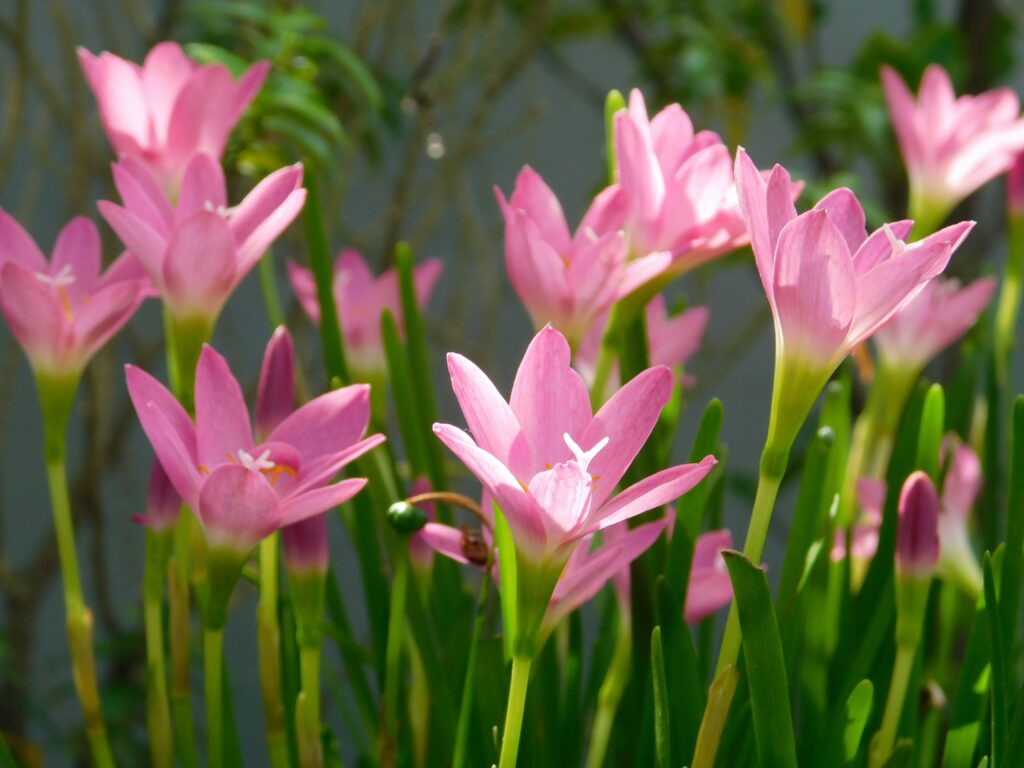
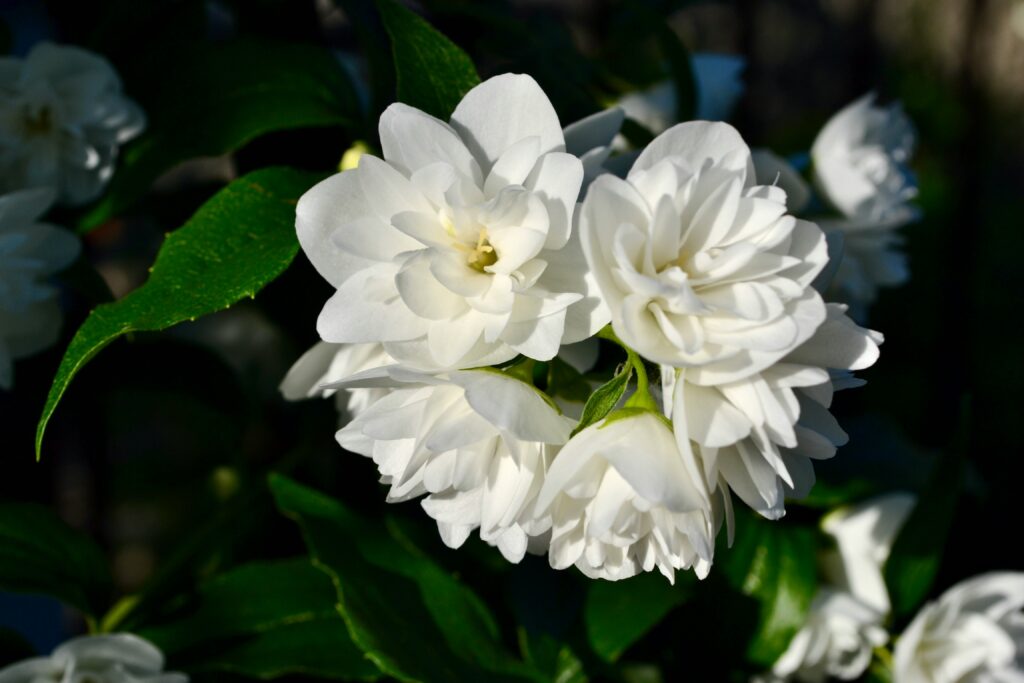
Rain Lilies thrive and burst into bloom under monsoon showers.
What Are the Best Flower Plants for the Rainy Season?
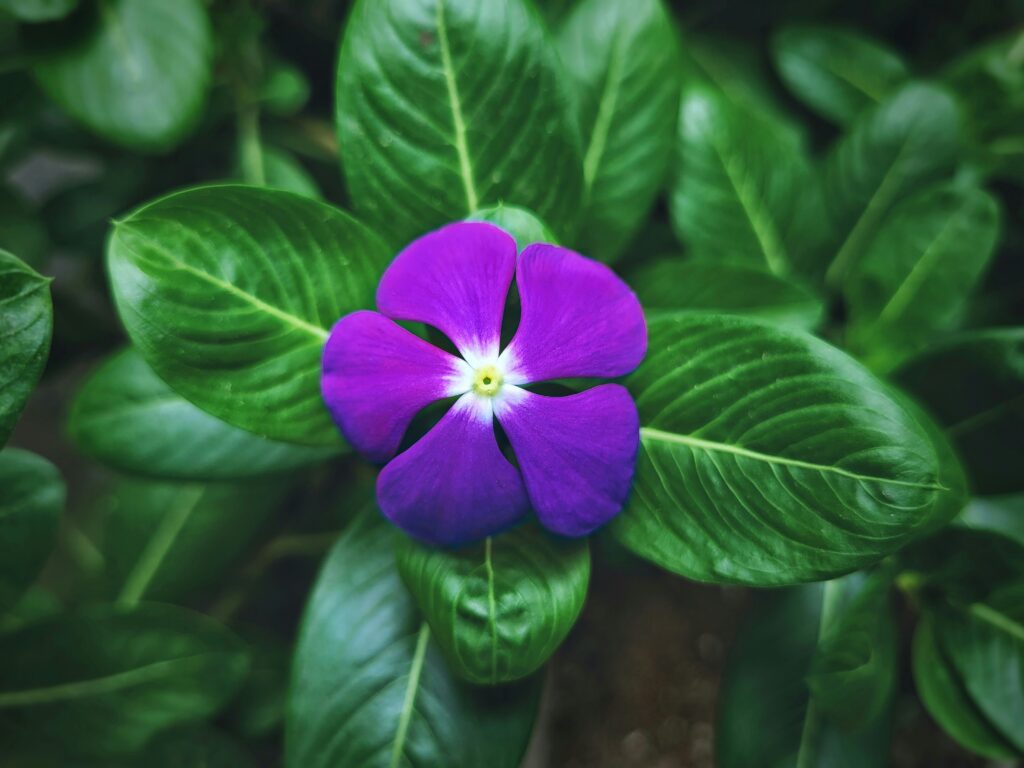
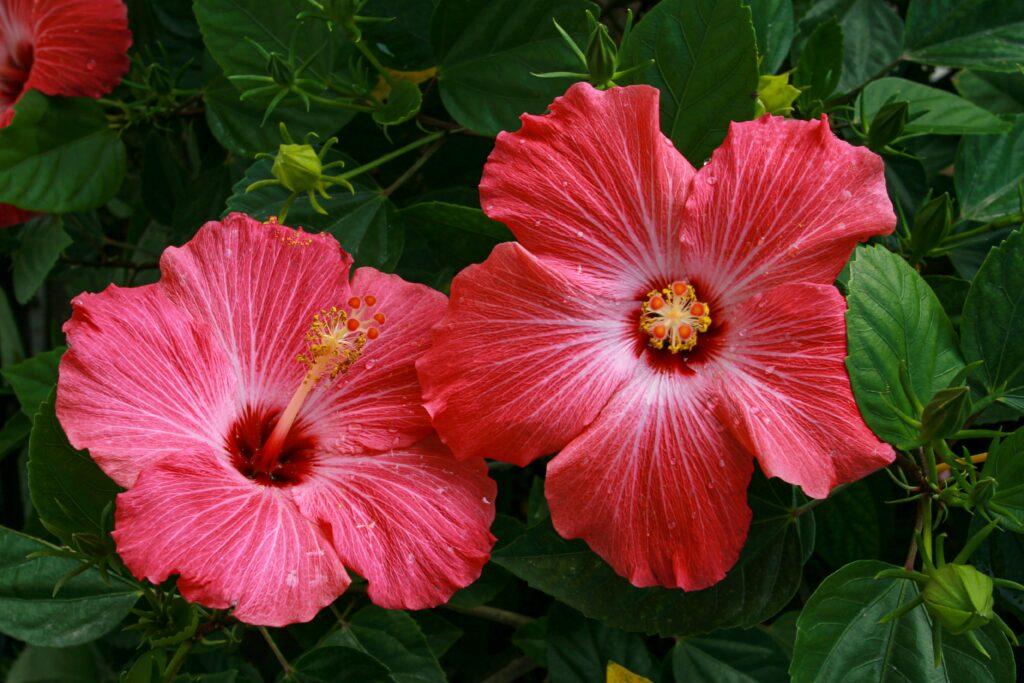
Featured Snippet Summary: The best flower plants for the rainy season include Rain Lily (Zephyranthes), Balsam (Impatiens), Hibiscus, Vinca (Catharanthus), Jasmine (Mogra), and Aparajita (Butterfly Pea). These species thrive in high humidity, tolerate wet soil when potted with adequate drainage, and flower prolifically under overcast monsoonal skies.
Why the Monsoon Enhances (and Challenges) Flower Growth
Understanding how rainfall affects plant physiology allows you to maximize its benefits while mitigating common rainy-season hazards.
1. The Natural Benefits of Rainwater
Rainwater acts as a natural foliage booster. Lightning strikes convert atmospheric nitrogen into nitrates, creating a mild, instantly absorbed fertilizer. Rainwater also has a slightly acidic pH (between 5.5 and 6.5), which dissolves locked-away micronutrients—like iron, zinc, and manganese—in the soil, making them accessible to root systems.
2. Managing the 3 Big Monsoon Risks
- Waterlogging: Heavy, clay-rich soils trap moisture, displacing oxygen in the root zone and causing root rot (Pythium).
- Fungal Outbreaks: Prolonged leaf wetness paired with warm air triggers fungal spores like powdery mildew (Oidium) and black spot.
- Light Scarcity: Overcast skies reduce photosynthetically active radiation (PAR), causing plants to stretch, become “leggy,” and shed flower buds prematurely.
Pre-Monsoon Soil Prep: The Ultimate “Rain-Proof” Potting Mix
Standard garden soil turns to dense mud during continuous downpours. Switching to an open-textured, high-porosity potting medium before heavy rains hit is essential for maintaining root respiration.
The ideal rainy season potting mix uses a 4:3:2:1 ratio: 40% garden soil, 30% coarse river sand or perlite, 20% vermicompost, and 10% neem cake powder. This composition ensures rapid drainage within 5 to 8 seconds while protecting roots from soil-borne fungi.
The 4-Ingredient Monsoon Potting Recipe
Monsoon Mix=40%Loam Soil+30%Coarse Sand / Perlite+20%Vermicompost+10%Neem Cake Powder
- 40% Red Garden Soil or Loam: Provides structural support and mineral base.
- 30% Coarse River Sand or Perlite: Creates macro-pores that prevent soil compaction and allow excess water to drain freely.
- 20% Aged Vermicompost: Delivers steady, slow-release organic nutrients without burning sensitive young roots.
- 10% Neem Cake Powder: Acts as an organic bio-fungicide and nematicide to protect root tips from waterborne pathogens. (Learn more in our full guide on [Internal Link: Organic Bio-Fungicides for Home Gardens]).
Selecting the Right Pots for Wet Weather
- Terracotta & Unglazed Clay: The gold standard for wet seasons. Their porous clay walls allow lateral moisture evaporation across the soil column.
- Plastic & Resin Containers: Non-porous and prone to trapping excess heat and water. If using plastic, drill 4–6 extra drainage holes along the bottom side walls—not just the flat base—to prevent stagnant water pockets.
Quick Comparison: Top 10 Monsoon Flowering Plants
| Plant Name | Flower Type | Sunlight & Placement | Water Tolerance | Propagation Method |
|---|---|---|---|---|
| Rain Lily (Zephyranthes) | Perennial bulb | Full sun / Open garden | Very High | Bulb division |
| Balsam (Impatiens) | Annual | Balcony / Partial shade | Moderate–High | Seeds |
| Hibiscus | Perennial shrub | Full sun | High | Semi-hardwood cuttings |
| Vinca / Periwinkle | Perennial | Covered balcony / Sunny beds | Moderate (Requires dry soil) | Seeds / Cuttings |
| Marigold (Tagetes) | Annual | Open terraces / Sunny borders | Moderate | Seeds |
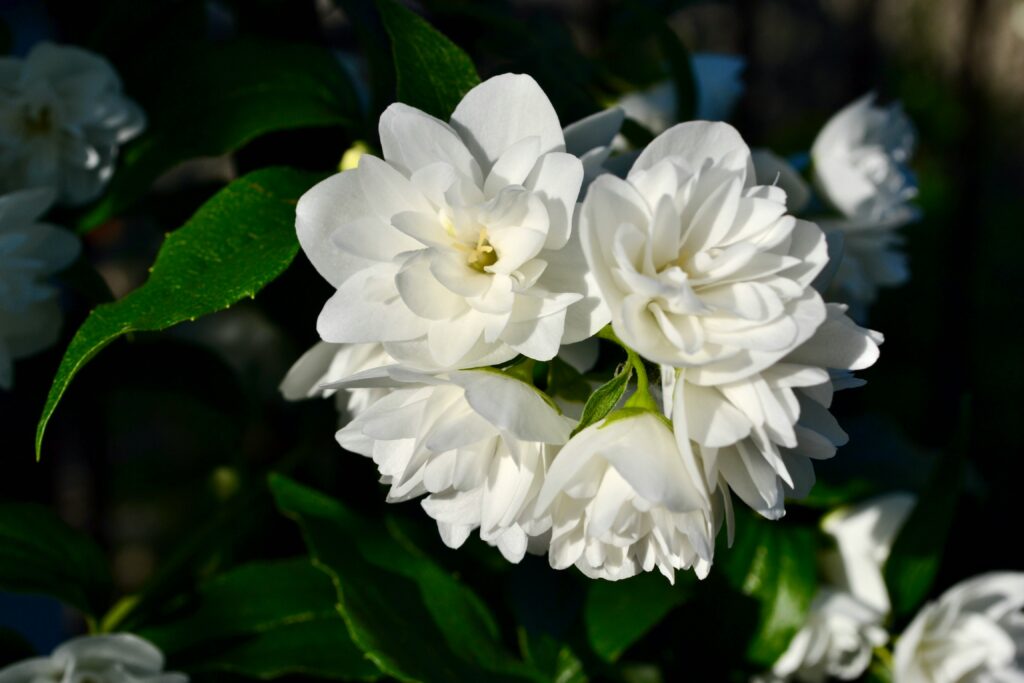
| Jasmine / Mogra | Perennial vine/shrub | Full sun | High | Stem cuttings |
| Aparajita / Butterfly Pea | Perennial climber | Trellis / Full sun | High | Seeds |
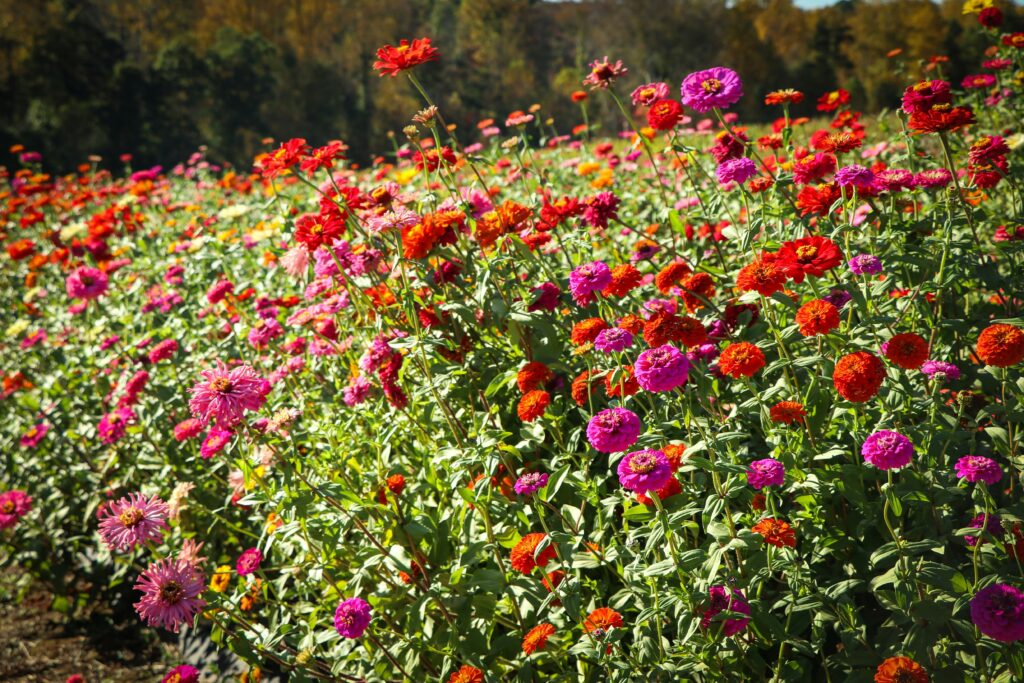
| Zinnia | Annual | Sunny garden beds | Moderate | Seeds |
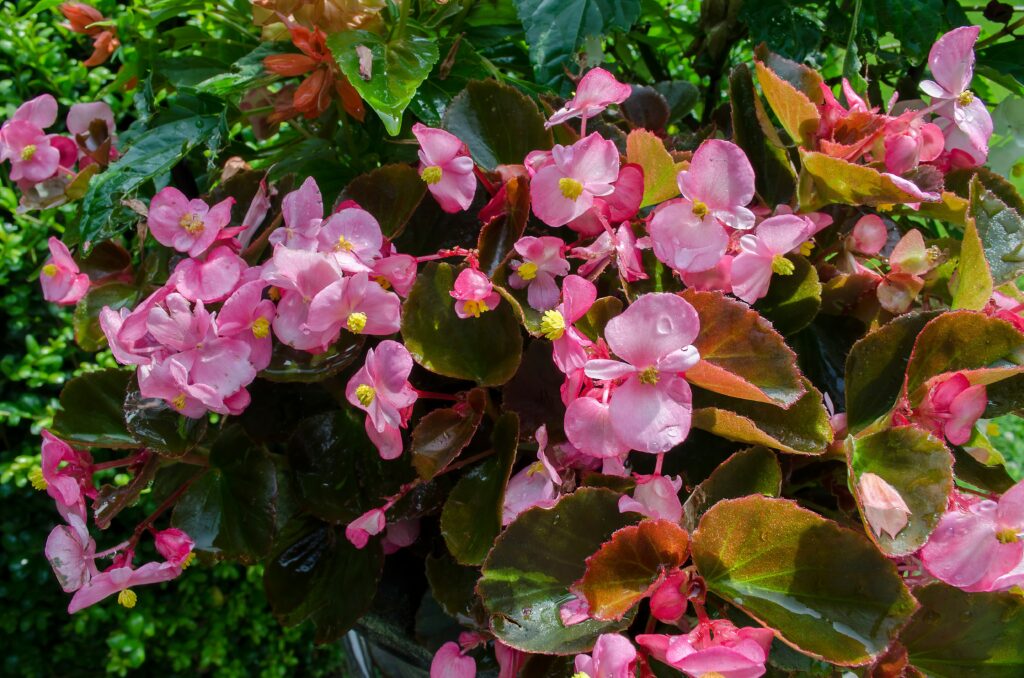
| Begonia | Perennial | Covered balcony | Low–Moderate (Rot prone) | Stem / Leaf cuttings |
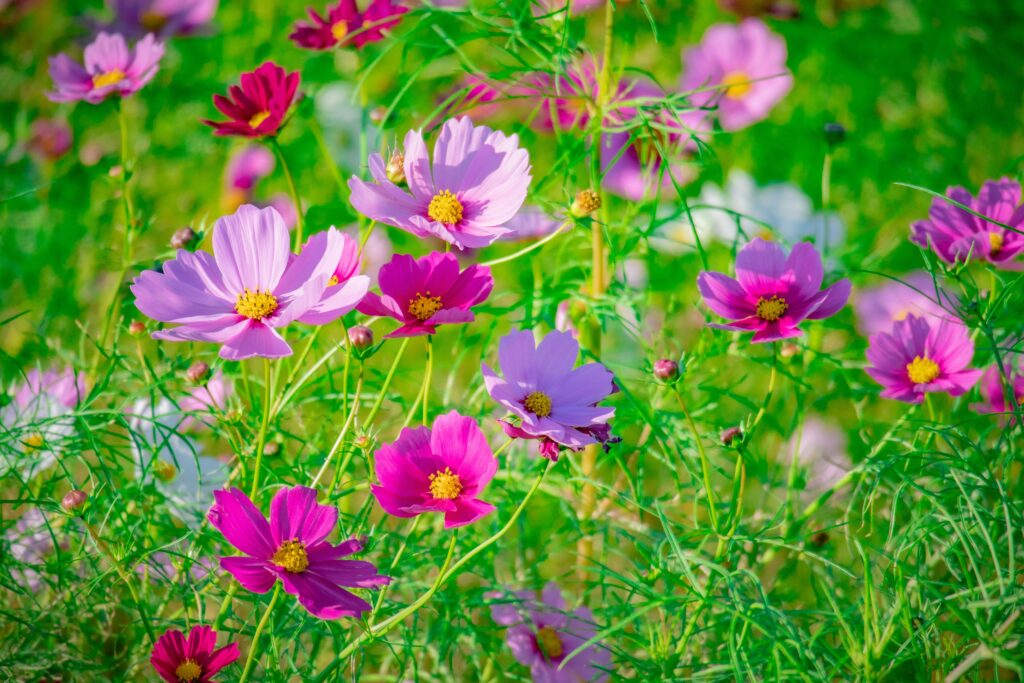
| Cosmos | Annual | Full sun / Open garden | High | Seeds |
How to Propagate Flowers During the Rainy Season
Monsoon humidity creates ideal conditions for propagating new plants from seeds and stem cuttings without complex greenhouse setups.
1.Select Healthy Propagation Material: High humidity speeds up stem callousing and root development.
For shrubs like Hibiscus and Jasmine, take 6-inch semi-hardwood cuttings about the thickness of a pencil. For annuals like Balsam and Zinnia, collect dry, brown seed pods from mature blooms.
2. Prepare a Lightweight Seed & Cutting Medium: Avoid heavy composts for tender developing roots.
Fill seed trays or propagation pots with a 50:50 blend of sterile cocopeat and coarse perlite. Do not use rich manures at this stage, as high nitrogen levels can cause stem rot in fresh cuttings.
3. Sow Seeds or Set Cuttings: Maintain spacing to improve airflow around young stems.
- For Seeds: Sow seeds at a depth equal to twice their width. Keep seed trays under a roof or rain guard to prevent raindrops from washing them away.
- For Cuttings: Cut stems at a 45-degree angle below a node, dip the end into organic rooting hormone or raw cinnamon powder, and insert 2 inches deep into the medium.
4. Maintain Air Circulation & Transplant: Prevent damping-off disease in week two.
Keep containers in a bright location sheltered from direct downpours. Ensure steady breeze airflow—stagnant air is the primary trigger for fungal damping-off (Pythium). Transplant seedlings into main pots once they develop 4 true leaves.
Daily Monsoon Care & Maintenance Routine
To keep your garden blooming continuously throughout the wet months, follow this post-downpour maintenance routine.
The Post-Downpour 4-Step Checklist
- Empty Saucers and Trays Immediately: Remove accumulated water beneath pots to prevent root submersion and eliminate mosquito breeding sites. (See our design tips for [Internal Link: Clean Balcony Drainage Systems]).
- Aerate the Soil Surface: Once the top inch of soil dries slightly, gently loosen the surface with a hand cultivator to break green algae crusts and restore oxygen flow.
- Deadhead Spent Blossoms: Snip off wet, decaying flowers promptly. Rotting petals attract grey mold (Botrytis), which spreads quickly to healthy leaves and buds.
- Elevate Containers with Pot Stands: Place pots on 1- to 2-inch terracotta or rubber pot stands. Raising pots off flat ground keeps drainage holes clear and prevents water accumulation around the base.
Organic Pest & Disease Management
- Bio-Fungicide Drench: Mix Trichoderma viride or Pseudomonas fluorescens (5g per liter of water) and drench the soil once every 21 days to control root-rot pathogens.
- Foliar Neem Oil Spray: Combine 5ml cold-pressed neem oil with 2ml mild dish soap per liter of water. Spray leaf undersides bi-weekly to prevent whiteflies, aphids, and mealybugs.
- Cinnamon Powder Dusting: Dust ground cinnamon over fresh pruning cuts—it works as a natural fungicidal sealant.
- Which are the Best Organic Fertilizers for Indoor Plants? – knowabteverything
Adjusting Fertilizer Routines
Avoid quick-release liquid fertilizers during active rainy spells; heavy rain washes nutrients through drainage holes before roots can absorb them. Instead, apply slow-release organic amendments like vermicompost, bone meal, or crushed mustard cake meal to the topsoil every 3–4 weeks.
Troubleshooting Common Monsoon Plant Problems
| Symptom | Primary Cause | Recommended Action |
|---|---|---|
| Soft, blackened stems near soil level | Damping-off / Pythium Root Rot | Isolate the pot, check bottom drainage, and apply a Trichoderma bio-fungicide drench immediately. |
| White powdery patches on leaves | Powdery Mildew (Oidium) | Move pot to an area with better air circulation; spray a solution of 3g baking soda + 2ml neem oil per liter of water. |
| Yellowing leaves dropping off rapidly | Overwatering / Nitrogen Leaching | Move pot under cover, aerate topsoil, and top-dress with 2 hands of fresh vermicompost. |
| Holes in foliage & chewed flower buds | Slugs and Snails | Create a protective barrier of crushed eggshells or diatomaceous earth around pot rims and bases. |
Frequently Asked Questions
Which flower plants bloom specifically when it rains?
Rain Lilies (Zephyranthes) are famous for blooming almost immediately after rainfall triggered by atmospheric pressure changes. Other flowers like Balsam, Hibiscus, and Jasmine reach peak bloom during the monsoon due to high humidity and consistent moisture.
How do I prevent container soil from becoming waterlogged during continuous rain?
Ensure your potting mix contains at least 30% coarse river sand or perlite. Avoid heavy clay soils and raise pots off flat surfaces using pot stands so water can exit bottom drainage holes freely.
Can I keep indoor flowering plants outdoors during the monsoon season?
While indoor flowering plants like Peace Lilies and Anthuriums enjoy high humidity, keep them under a covered porch or sheltered canopy. Direct downpours can damage delicate petals and waterlog root systems.
How often should I fertilize flower plants in the rainy season?
Avoid water-soluble chemical fertilizers during rainy periods, as they leach out rapidly. Instead, top-dress pots with slow-release organic fertilizers (such as vermicompost or well-aged manure) once every 3 to 4 weeks.
Read about 31 Balcony Railing Planter Ideas: The Complete Design Mounting & Safety Guide – knowabteverything
15 Plants Identification Helpful for Skin: Dermatologist Safety Guide
Best Lightweight Potting Soil for Container Gardens (2026 Guide) – knowabteverything
6 methods to cure your Sick Plants at home. – knowabteverything
What Is Root Rot? Fix Your Damage Plants Roots – knowabteverything
How to fix Plants Leaves which Turn Yellow? – knowabteverything
How to take care of Indoor Plants? – knowabteverything
When to Water your Plants in Day or Night? – knowabteverything
12 Beautiful Rainy Season Flowers You Can Grow in Monsoon
15 Plants Identification Helpful for Skin: Dermatologist Safety Guide





One Comment